
Mount Kilimanjaro is Africa’s highest mountain and one of the world’s most remarkable high altitude trekking destinations. Rising dramatically above the plains of northern Tanzania, Kilimanjaro offers a rare experience where a traveler can move through several ecological zones in a single climb, from cultivated foothills and tropical forest to alpine desert and the ice fields surrounding Uhuru Peak.
What makes Kilimanjaro different is not simply its height. The mountain creates a gradual journey through changing landscapes, temperatures, vegetation, and physical challenges, making the climb feel like several worlds unfolding within one expedition. You do not need to be an experienced mountaineer to attempt it, but you do need preparation, patience, the right route, and enough time for your body to adapt to altitude.
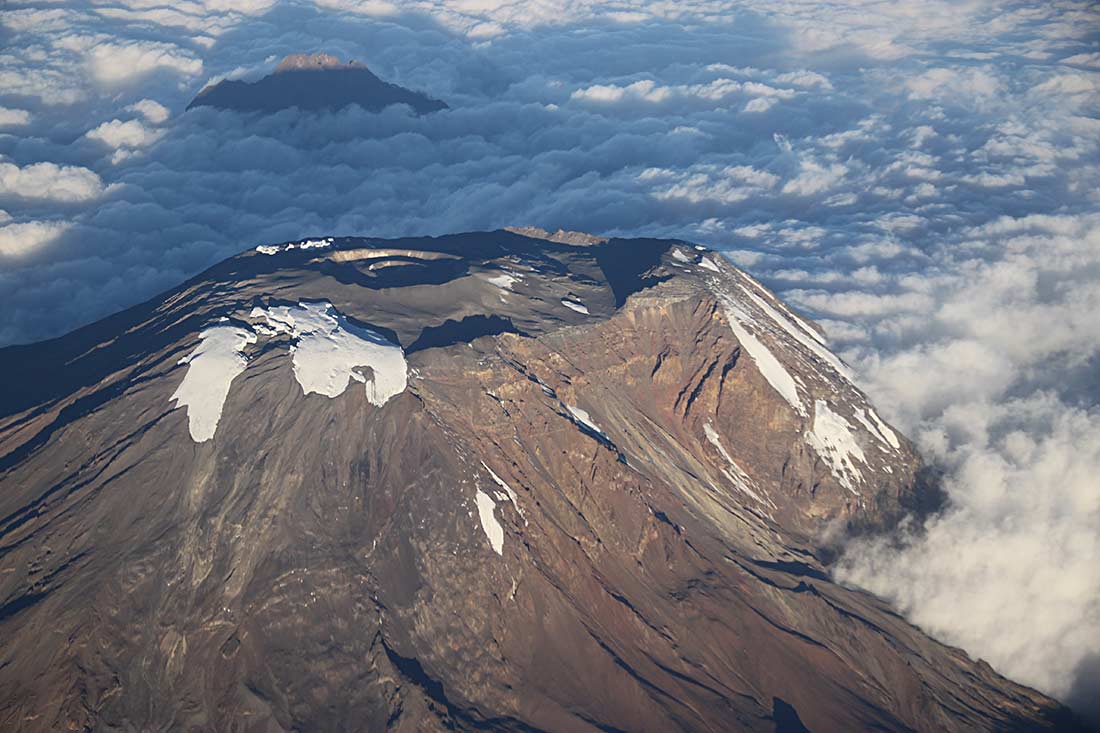
Climbing Mount Kilimanjaro is about more than reaching the summit. It is an experience of gradual transformation. Each day takes you farther from ordinary life and deeper into an environment where altitude, weather, endurance, and landscape become part of the story.
Uhuru Peak, at approximately 5,895 metres above sea level, is the highest point of Mount Kilimanjaro and the highest point in Africa. Reaching the summit gives travelers a powerful sense of achievement because the climb is accessible to trekkers who do not require technical climbing skills under normal route conditions.
The challenge is primarily endurance and altitude rather than technical mountaineering. That distinction is important because Kilimanjaro can look deceptively approachable from the plains, while the final ascent can be physically demanding.
One of Kilimanjaro’s most distinctive features is its ecological progression. A typical ascent can pass through cultivated landscapes, montane rainforest, heath and moorland, alpine desert, and the high summit zone.
This changing environment gives the mountain an unusual rhythm. The lower slopes may feel green and humid, while the upper mountain becomes increasingly cold, dry, open, and almost otherworldly.
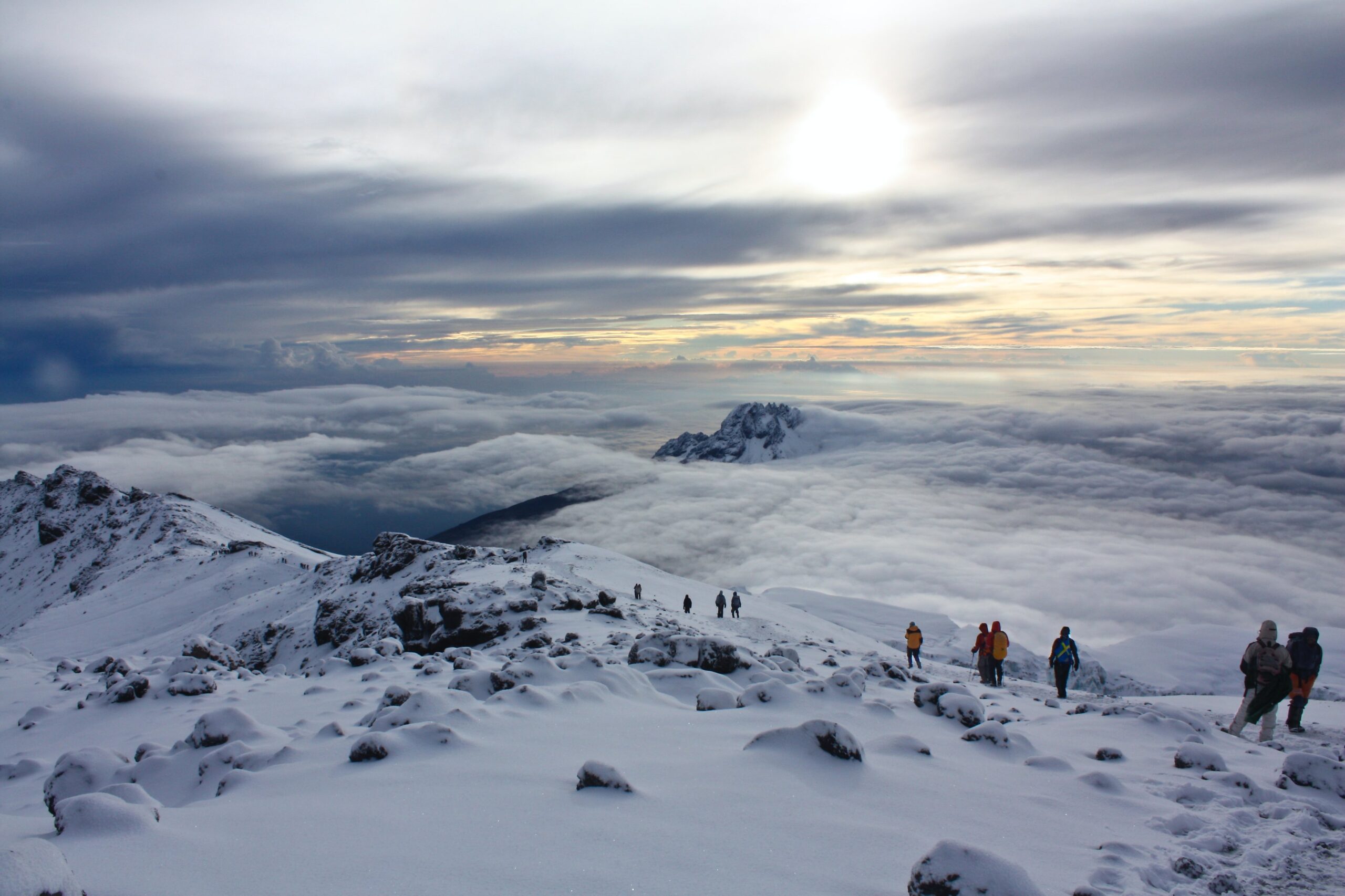
The summit is the obvious goal, but some of the most memorable moments happen before reaching it. Forest trails, changing vegetation, distant views across northern Tanzania, sunrise above the clouds, and the gradual disappearance of everyday life all become part of the experience.
For photographers and landscape lovers, the mountain also provides constantly changing perspectives as altitude increases.
Most established Kilimanjaro routes do not require ropes, climbing equipment, or previous technical mountaineering experience. However, this should not be confused with an easy hike.
The real challenge is altitude. Your body must adapt as you ascend, and the pace of the expedition matters. A slower itinerary with sufficient acclimatization can be far more valuable than trying to reach the summit as quickly as possible.
One of Kilimanjaro’s greatest advantages is its location in northern Tanzania. A mountain expedition can be combined with a wildlife safari in destinations such as Serengeti, Ngorongoro, Tarangire, or Lake Manyara, followed by time on the coast or Zanzibar.
This creates a distinctive Tanzania journey where the landscape changes from mountain to savannah and eventually to the Indian Ocean.
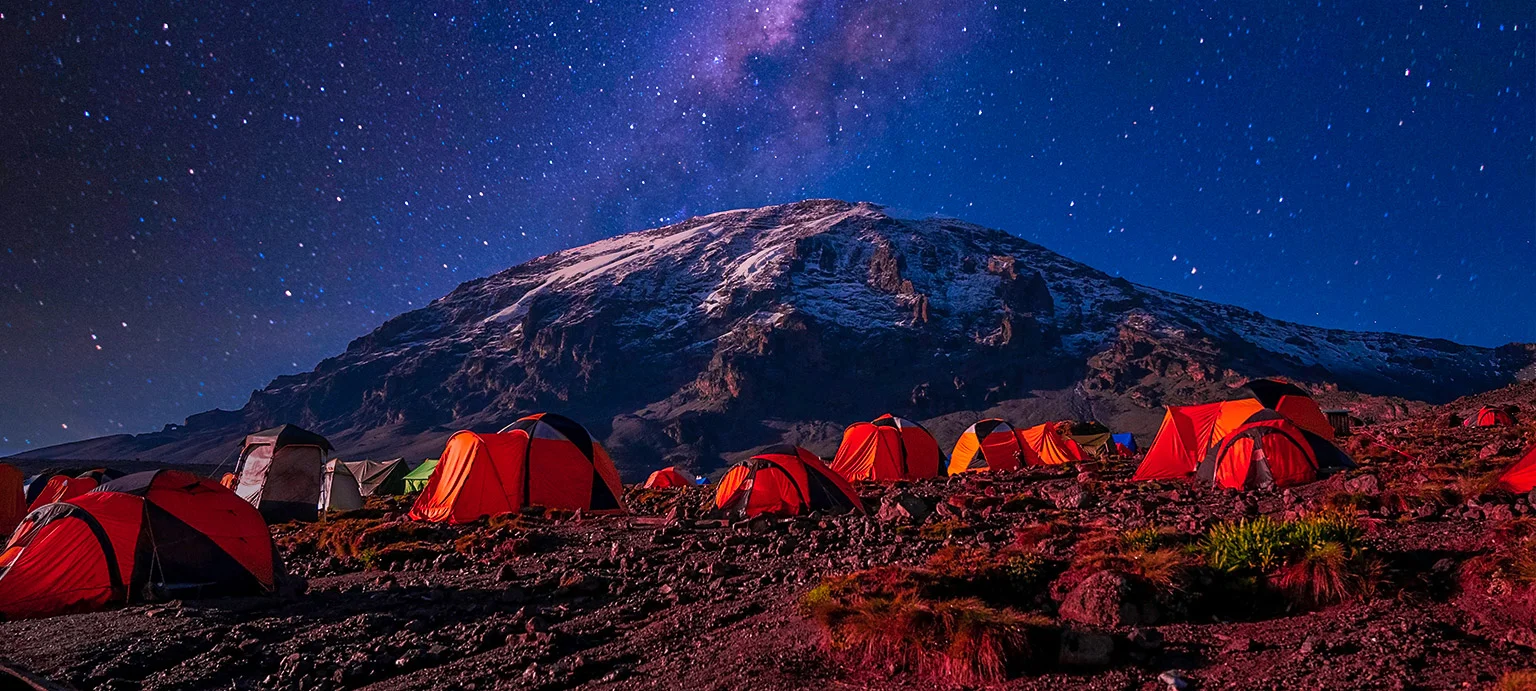
Mount Kilimanjaro can be climbed throughout much of the year, but weather conditions vary significantly between seasons. The best time depends on your tolerance for rain, cold, crowds, and changing mountain conditions.
The traditional dry seasons are generally considered the most favorable periods for Kilimanjaro trekking. January to February often offers relatively good conditions, while June through October provides another popular trekking window.
The shoulder periods can also work well for travelers who prefer fewer people on the mountain and are comfortable with a greater possibility of changing weather.
The long rains generally occur around March to May, while shorter rains can affect parts of the mountain later in the year.
Rain does not automatically make a climb impossible, but wetter conditions can make lower forest trails muddy and reduce visibility. Higher sections can also become colder and more challenging when weather changes quickly.
The important point is that Kilimanjaro weather is not simply about whether it is raining in Moshi. Conditions change dramatically with altitude.
Clearer weather can provide better visibility toward the summit and surrounding landscapes, but mountain weather is unpredictable. Even during a traditionally dry season, clouds can appear quickly.
If your priority is photography and broad mountain views, choosing a season with generally more stable weather can improve your chances. If your priority is avoiding crowds, you may prefer a less busy period and accept a little more weather variability.
Route duration is one of the most important decisions when planning the climb. Shorter itineraries may appear attractive because they reduce the number of days and potentially the cost, but additional time can provide more opportunity for acclimatization.
For many trekkers, a longer route is therefore not simply a longer holiday. It can be a more sensible strategy for adapting to altitude and improving the overall experience.
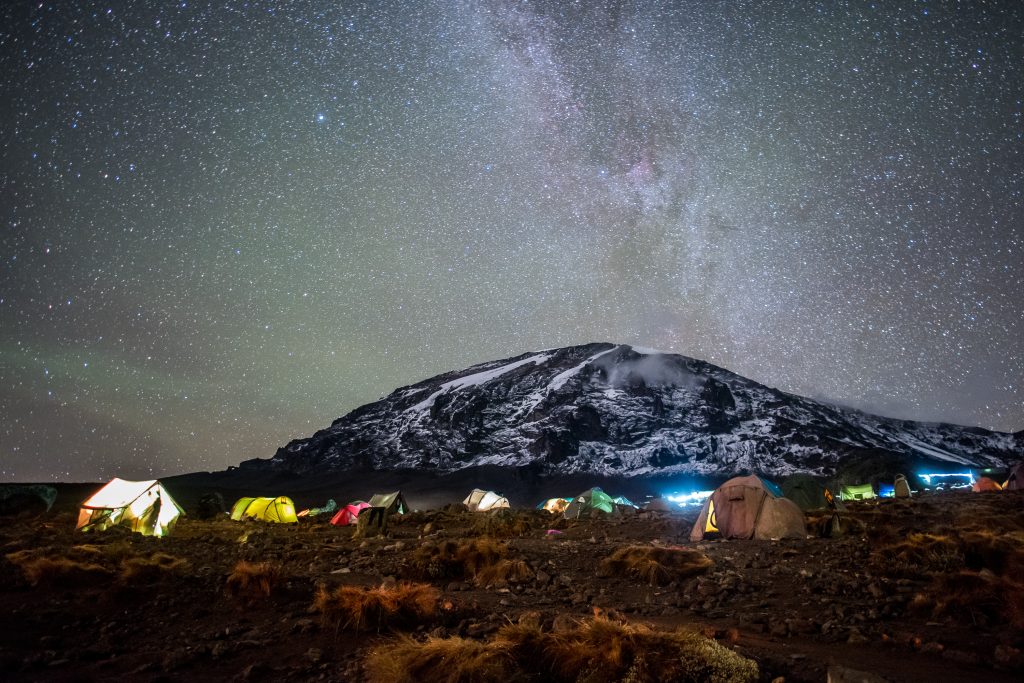
Kilimanjaro trekking can be designed around different routes, durations, comfort levels, and wider Tanzania travel plans. The best itinerary is not necessarily the shortest or most popular one. It is the one that matches your physical preparation, available time, expectations, and preferred experience.
The mountain has several established routes, each offering a different combination of scenery, duration, traffic, and acclimatization profile.
Machame Route is popular for its scenic landscapes and varied terrain. It is often chosen by travelers who want a classic trekking experience with strong visual diversity.
Marangu Route is known for its hut accommodation and relatively straightforward trail profile. It can appeal to travelers who prefer sleeping in huts rather than tents.
Lemosho Route approaches the mountain from the west and is valued for its scenery and longer acclimatization opportunity. It is particularly attractive to trekkers who want a more gradual expedition.
Rongai Route approaches Kilimanjaro from the northern side near the Kenya border. Its location gives the route a different character and can be attractive during periods when other slopes experience more rainfall.
Northern Circuit Route is the longest established route around Kilimanjaro and provides extensive time on the mountain. Its longer itinerary can be particularly useful for travelers prioritizing acclimatization and a quieter experience.
A Kilimanjaro expedition can become the first chapter of a larger northern Tanzania safari.
After descending from the mountain, travelers can continue toward Tarangire National Park for elephants and savannah landscapes, Ngorongoro Conservation Area for its dramatic crater ecosystem, or Serengeti National Park for one of Africa’s most celebrated wildlife experiences.
This combination works particularly well because the mountain and safari offer completely different forms of adventure. Kilimanjaro tests endurance and altitude, while the safari shifts the experience toward wildlife, landscapes, and observation.
Kilimanjaro can also be incorporated into a private Tanzania itinerary for couples, families, friends, or small groups.
For couples, the mountain can form the adventurous part of a longer journey followed by a more relaxed stay in a luxury safari lodge or on Zanzibar. Private arrangements can also allow greater flexibility around trekking pace, accommodation preferences, transfers, and safari extensions.
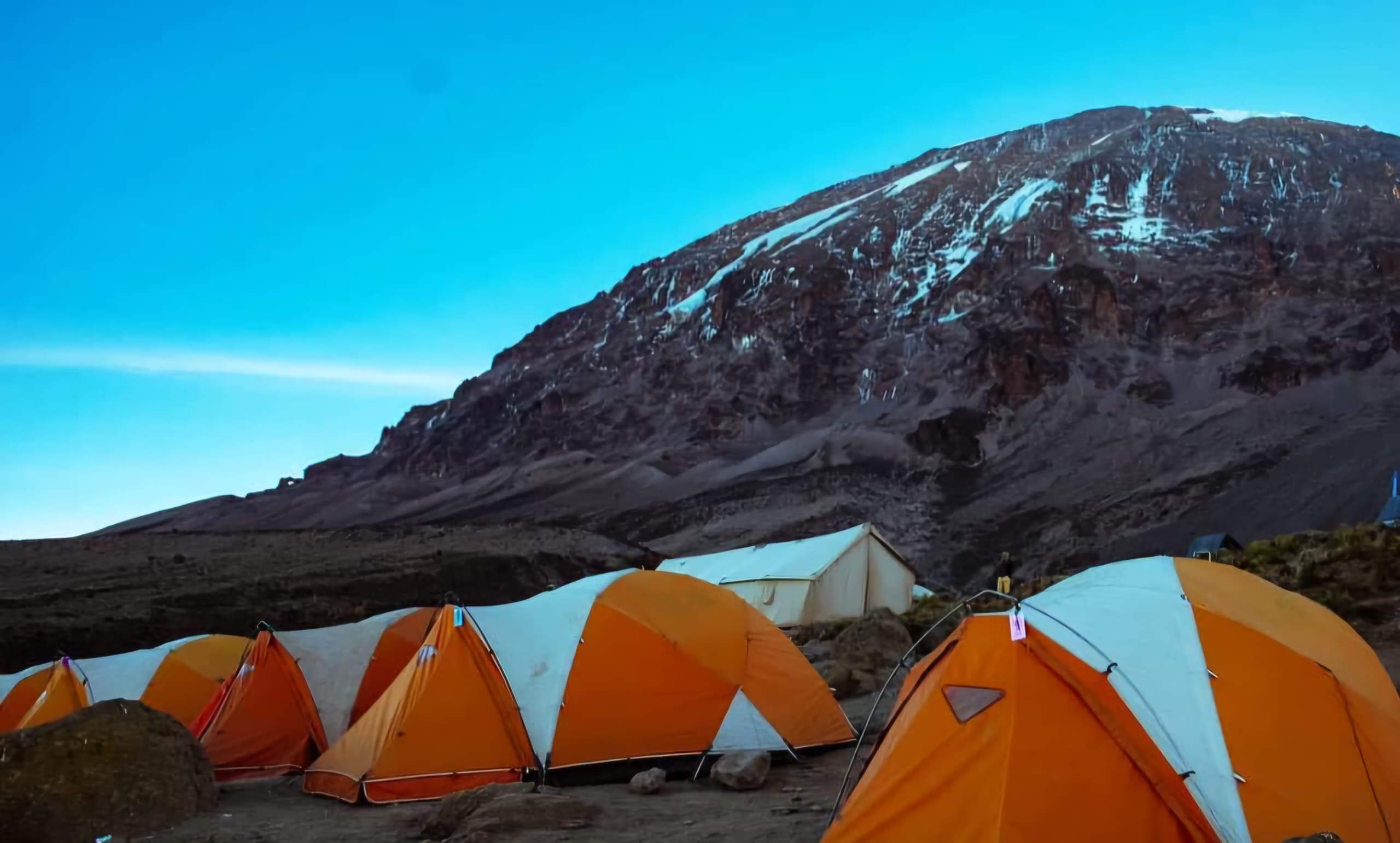
Accommodation on a Kilimanjaro trek depends largely on the route selected. Unlike a conventional safari, where travelers return to a lodge each evening, Kilimanjaro accommodation becomes part of the expedition itself.
Most routes use designated mountain camps where trekkers sleep in tents. Camps become progressively colder and more exposed as the elevation increases.
The simplicity of mountain camping is part of the experience. After a day of trekking, the surrounding landscape, temperature, and silence create an atmosphere very different from a lodge-based safari.
The Marangu Route uses mountain huts rather than traditional tented camps. These provide a different trekking experience and can be appealing to travelers who prefer a more structured sleeping environment.
Most Kilimanjaro itineraries include accommodation in the Moshi or Arusha area before and after the trek. This provides time for arrival, briefing, equipment checks, recovery, and onward travel.
For travelers combining Kilimanjaro with a safari, the accommodation plan can then transition from mountain lodging to safari camps and lodges.
The right accommodation strategy depends on the type of journey you want. Some travelers prioritize simplicity and route efficiency, while others want a more comfortable private itinerary before and after the climb.
This is one reason a Kilimanjaro itinerary should be planned as a complete journey rather than treating the mountain as an isolated activity.
Good preparation can make a major difference to your Kilimanjaro experience. The mountain is achievable for many travelers, but altitude should always be taken seriously.
You do not need to become an elite athlete to climb Kilimanjaro, but regular walking, hiking, cardiovascular exercise, and strength training can help prepare your body for consecutive days of trekking.
The most useful preparation is often consistency rather than extreme workouts.
Altitude is one of the biggest challenges on Kilimanjaro. As you climb higher, the available oxygen decreases, and your body needs time to adapt.
A route that provides a gradual ascent can therefore be more valuable than simply choosing the shortest itinerary.
Kilimanjaro is unusual because temperatures can change dramatically during the climb. Your packing list needs to account for warm conditions on the lower slopes and freezing conditions near the summit.
Layering is particularly important because you may move between very different temperatures within a single day.
Hydration, nutrition, pacing, rest, and communication with your mountain crew all matter. Your guides are also important sources of practical information during the ascent.
If you feel unwell at altitude, communicate it rather than trying to hide symptoms in order to reach the summit.
The final ascent is usually the most demanding part of the trek. Trekkers often begin during the night so they can reach the summit around sunrise.
The combination of darkness, cold, steep terrain, limited sleep, and altitude makes this section mentally and physically demanding. The experience becomes much more manageable when the itinerary has allowed sufficient acclimatization beforehand.
If Kilimanjaro is part of a wider Tanzania trip, allow enough recovery time before beginning intensive safari activities.
A well-planned itinerary gives you space to transition from physical exertion on the mountain to the slower rhythm of wildlife viewing.
The best Kilimanjaro experience begins long before you reach the trailhead. Route selection, season, trekking duration, acclimatization, equipment, accommodation, transfers, and post-climb plans all influence how the journey feels.
The mountain itself provides the challenge, but good planning determines how intelligently you meet it.
And perhaps that is the real attraction of Kilimanjaro. You begin by thinking about a summit, but the experience gradually becomes about something larger: learning to move slowly, adapting to the environment, trusting the process, and discovering how far you can go when every step has a purpose.