
Serengeti National Park is where Tanzania’s vast northern wilderness feels almost limitless. From open grasslands filled with grazing herds to dramatic predator encounters and the seasonal movement of millions of wildebeest, the Serengeti offers a safari experience shaped by wildlife, landscape, and natural rhythms.
But choosing the Serengeti is about more than simply seeing animals. The timing of your visit, the area you stay in, the type of safari you choose, and the way you plan your movements can completely change what you experience. Understanding those details helps you turn a visit to one of Africa’s most famous national parks into a safari that feels personal, rewarding, and well planned.
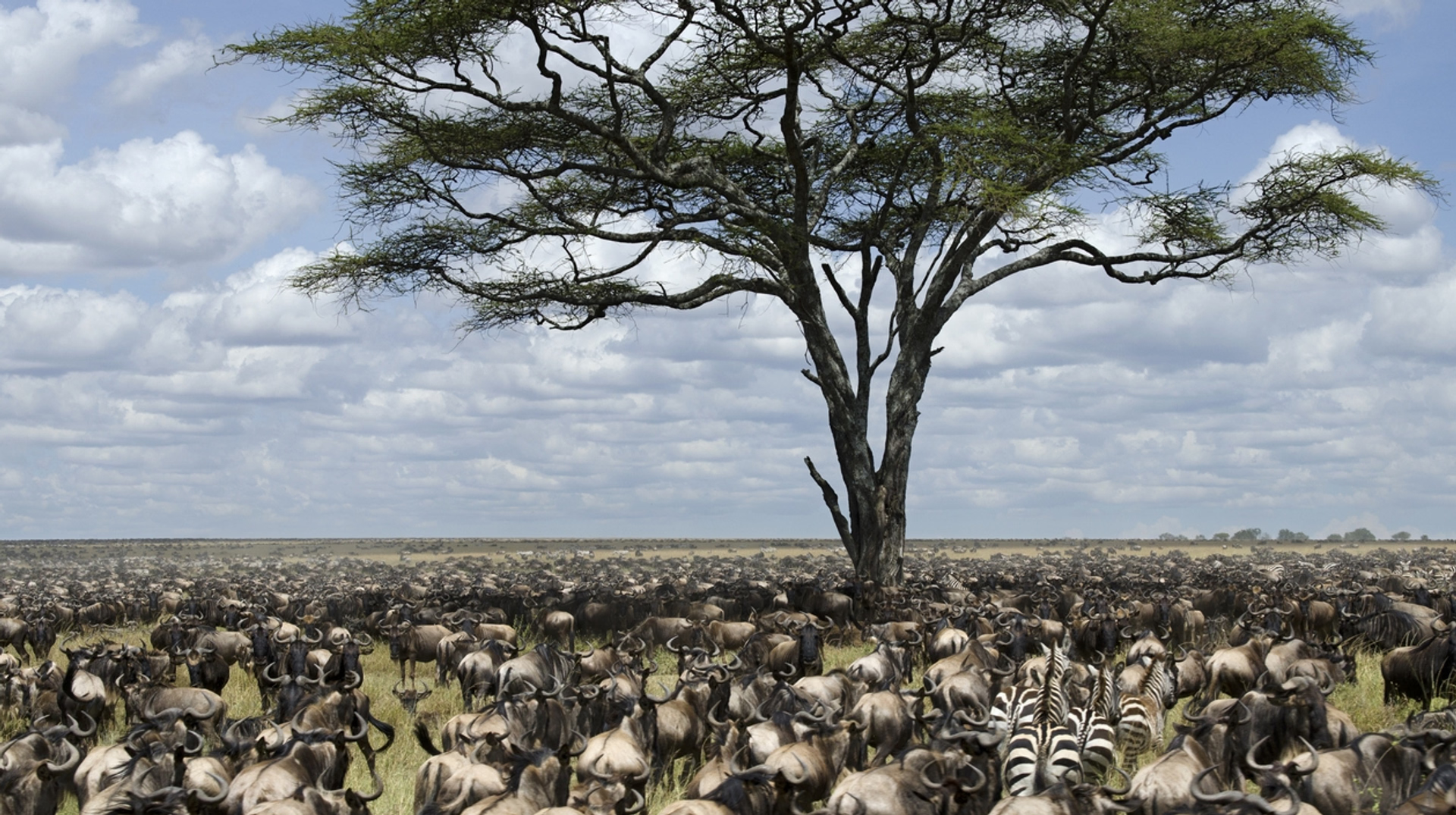
The Serengeti is one of Tanzania’s defining safari destinations because wildlife here is not confined to a few predictable viewing points. The landscape is immense, and animals move through it according to food, water, weather, and seasonal patterns.
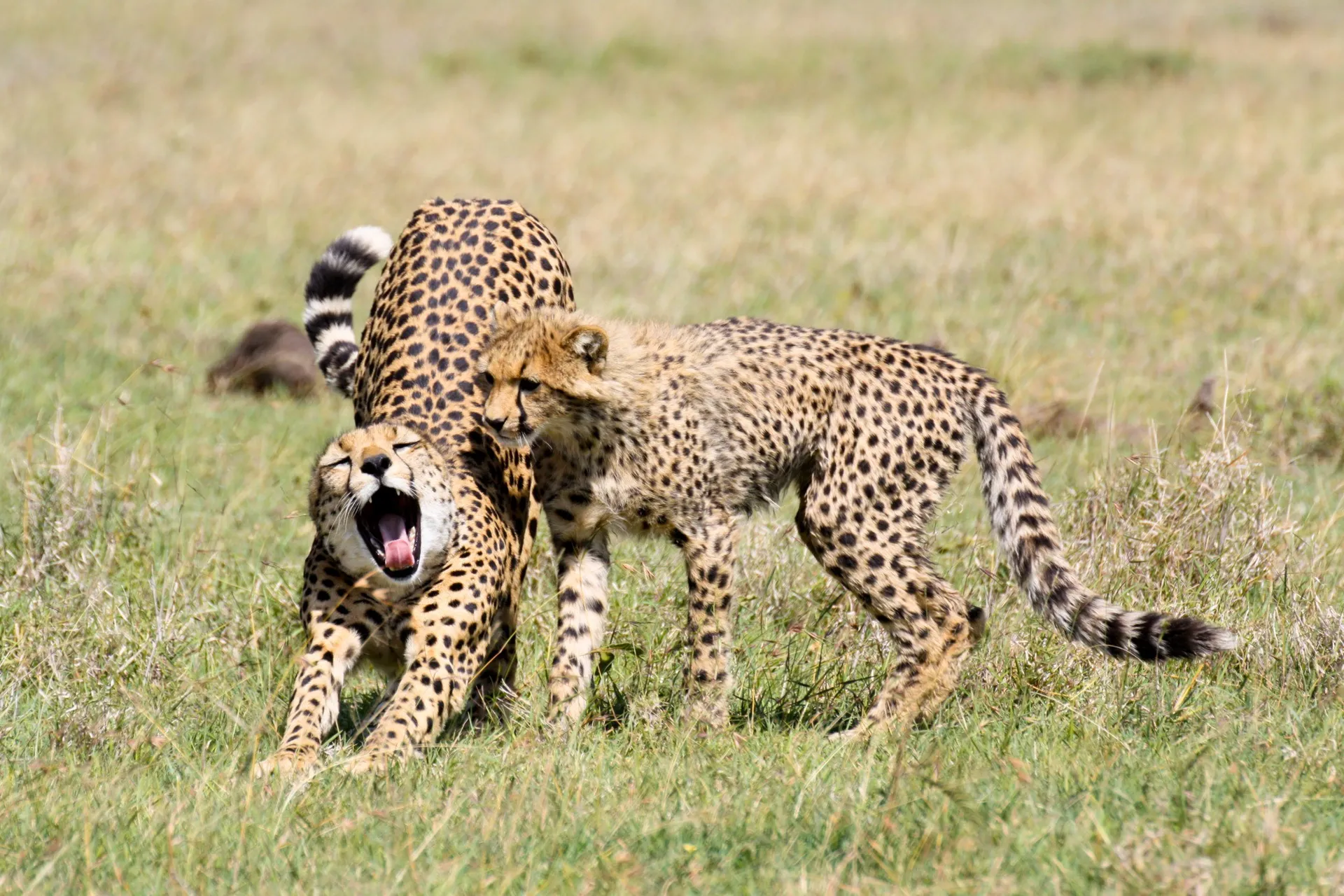
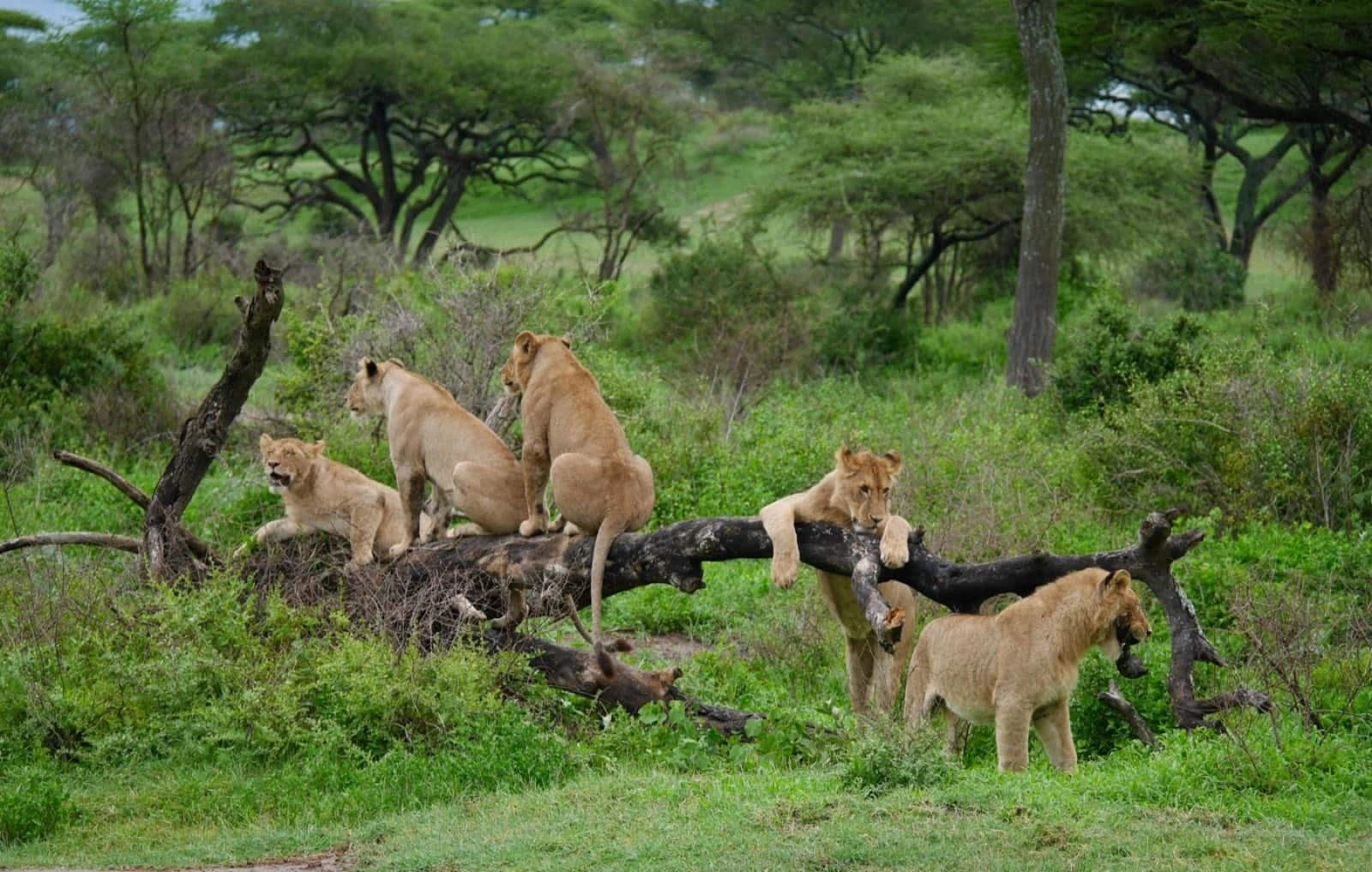
One of the greatest attractions is the concentration and diversity of wildlife. Visitors may encounter lions resting on open plains, cheetahs scanning the grasslands for prey, leopards hidden among trees, elephants moving between feeding grounds, and large herds of buffalo and antelope.
The park is also closely associated with the Great Migration. Throughout the year, wildebeest, zebra, and other grazing animals move through different parts of the wider Serengeti ecosystem. Their movements create changing opportunities for wildlife viewing, including dramatic predator activity and, at certain times of year, river crossings.
Yet the Serengeti is not only about the migration. That distinction matters when planning a safari. Even outside the most famous migration periods, the park can offer exceptional game viewing because its resident wildlife remains in the ecosystem throughout the year.
The deeper appeal is the feeling of space. A game drive here can take you far beyond the expectation of simply ticking animals off a list. You may spend several minutes watching a lion family before anything else happens, follow fresh tracks through the grass, or find yourself surrounded by thousands of grazing animals with no city skyline or human development in sight.
That combination of scale, wildlife, and changing natural conditions is what makes the Serengeti feel less like a conventional wildlife attraction and more like a living ecosystem.
The best time to visit the Serengeti depends on what you want your safari to deliver.
The dry season, generally from June to October, is popular because vegetation becomes thinner and animals often gather around remaining water sources. These conditions can make wildlife easier to spot, while the generally drier roads can also make travelling between different areas more straightforward.
June and July are particularly associated with the northern movement of the Great Migration, although the exact timing changes from year to year. The wildebeest do not follow a fixed calendar, so planning a trip around a specific week requires understanding recent movement patterns rather than relying only on a seasonal label.
From around August to October, attention often turns toward the northern Serengeti and the Mara River area, where parts of the migration may produce dramatic river crossing scenes. These crossings are natural events, however, and neither their exact location nor timing can be guaranteed.
The short rains usually arrive around November and December. This period can bring fresh vegetation and fewer visitors in some areas, creating a different atmosphere from the busier peak season.
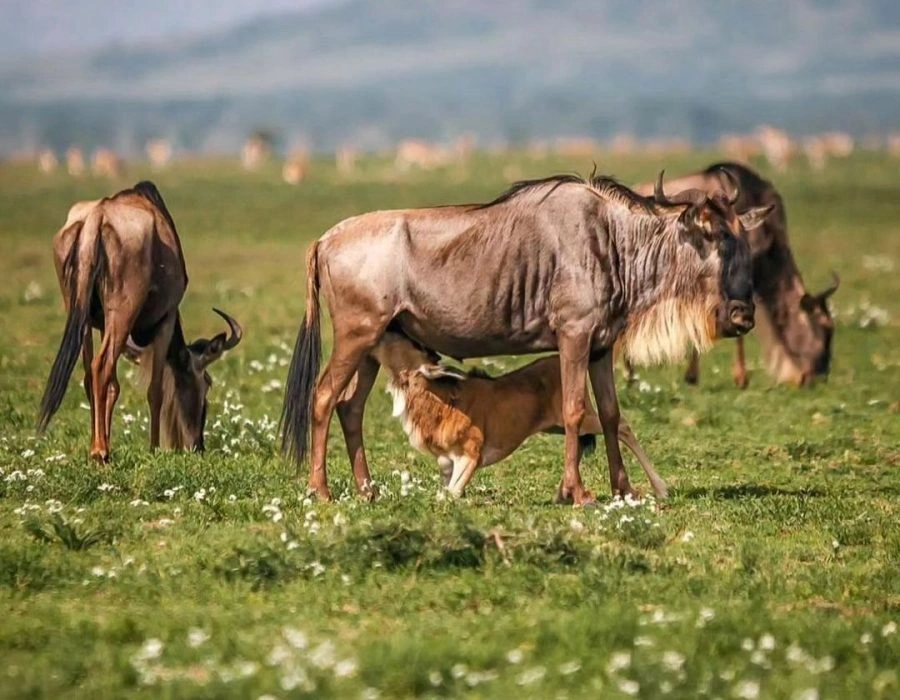
January and February are especially interesting for travellers interested in the calving period. In the southern Serengeti and Ndutu area, large numbers of wildebeest gather when conditions provide suitable grazing. Newborn animals also attract predators, creating intense wildlife interactions.
March, April, and May form part of the wetter season. Some roads can become more challenging, and certain camps may close temporarily, but the landscape becomes greener and the number of visitors can be lower.
So instead of asking only, “What is the best month for Serengeti?”, ask a more useful question: What kind of Serengeti experience do you want?
That answer should guide your timing.
A Serengeti safari can be designed around different travel styles, budgets, interests, and timeframes.
A classic Serengeti safari usually combines several days of game drives with accommodation inside or close to the park. This approach gives you enough time to explore different habitats instead of depending on a single game drive or one concentrated wildlife area.
For travellers coming from Arusha, the Serengeti can form part of a longer northern Tanzania safari that also includes destinations such as Tarangire National Park, Ngorongoro Conservation Area, and Lake Manyara. This creates a broader wildlife journey where each destination contributes something different.
A fly-in safari is another option for travellers who want to reduce long road transfers. Scheduled or charter flights can connect the Serengeti with Arusha, Zanzibar, and other safari destinations, depending on the itinerary and season.
For couples and honeymoon travellers, private Serengeti safaris can provide more flexibility. Game drives can be adjusted around personal interests, photography, slower wildlife observation, and private experiences.
Families may benefit from a carefully designed itinerary with appropriate driving distances, comfortable accommodation, and activities that match the ages of the children.
Photography-focused travellers may also want to spend more nights in one region rather than moving every day. More time in the field increases the chance of observing behaviour rather than simply collecting sightings.
The key principle is simple: the Serengeti rewards time.
A rushed itinerary can show you the park, but a well-paced itinerary gives you a better opportunity to understand it.
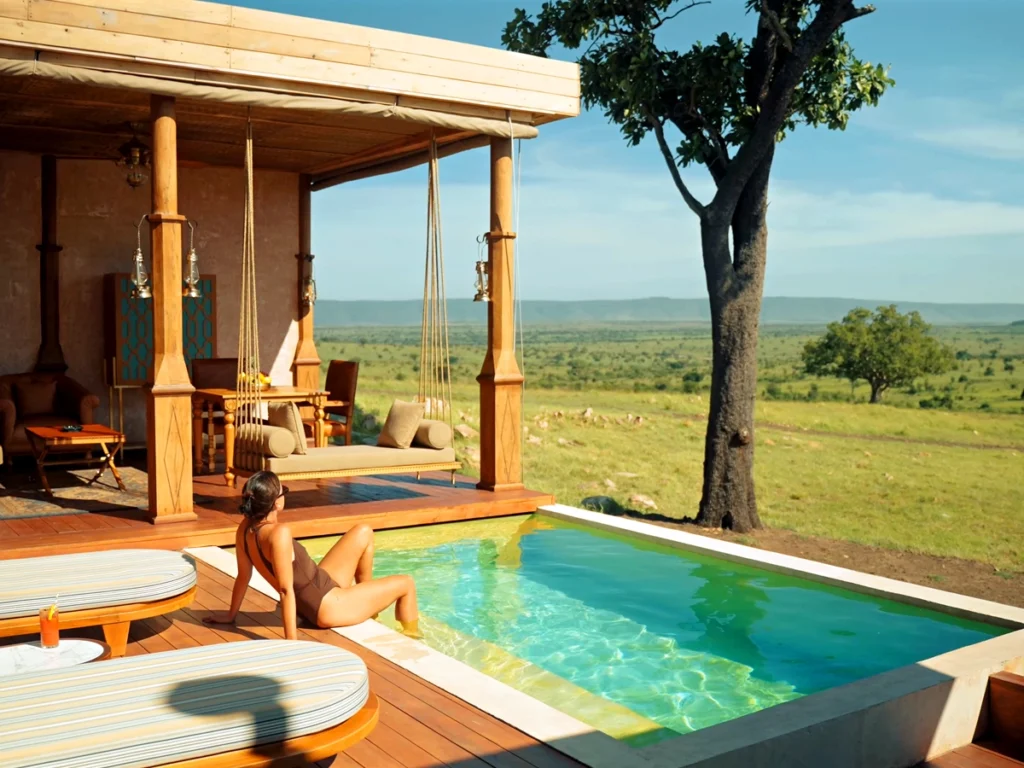
Where you stay in the Serengeti can influence the character of your entire safari.
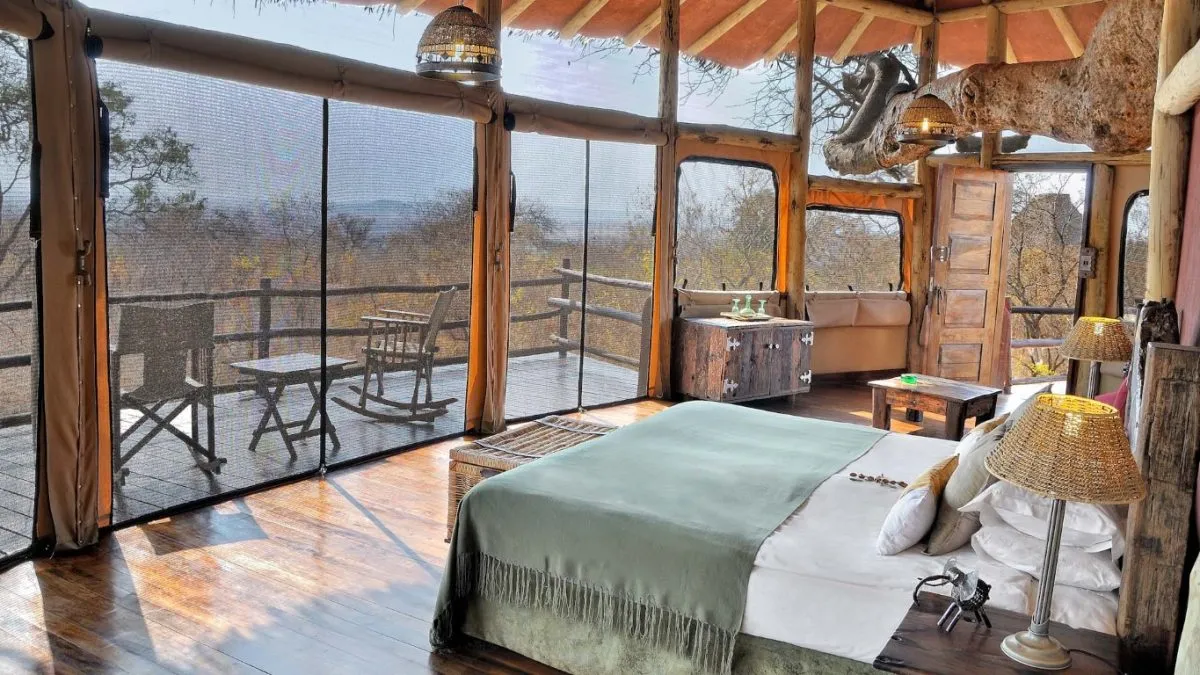
Accommodation ranges from permanent lodges and tented camps to seasonal mobile camps positioned according to wildlife movements. Each option offers a different balance of comfort, location, atmosphere, and access to particular areas.
Central Serengeti is often attractive for travellers who want a strategic base for exploring a broad section of the park. Its location can make it useful for itineraries that prioritize flexibility.
The northern Serengeti becomes particularly important during parts of the Great Migration when wildlife moves toward the Mara River region. Staying in this area can reduce the distance between your accommodation and potential wildlife activity.
The southern Serengeti and Ndutu area can be especially appealing during the calving season. Travellers interested in newborn wildebeest, predator interactions, and open grassland scenery may prefer accommodation positioned close to these seasonal movements.
Choosing accommodation purely because it has the highest rating or the most luxurious rooms can therefore be misleading. Location is part of the safari experience.
A beautiful lodge in the wrong area for your travel dates may provide excellent hospitality while making you spend more time driving to the wildlife experience you actually came to see.
The strongest choice is accommodation that matches your season, safari style, budget, and preferred wildlife experience.
A successful Serengeti safari begins with realistic expectations.
The park is enormous, and distances that look small on a map can translate into several hours of driving. Avoid building an itinerary that tries to cover every corner of the ecosystem in a short trip.
If wildlife viewing is your priority, give yourself enough time for unplanned moments. A safari is not a sightseeing bus with a fixed schedule. The most memorable encounter may happen after an ordinary morning when your guide notices tracks, unusual animal behaviour, or a change in the movement of nearby herds.
Your choice of safari vehicle and guide also matters. An experienced guide can help interpret animal behaviour, identify tracks, understand seasonal conditions, and decide when patience is more valuable than moving to another location.
Pack lightweight clothing that works across changing temperatures, sun protection, comfortable footwear, binoculars, a camera if you use one, and a light layer for cooler mornings and evenings.
Internet and mobile connectivity can vary depending on where you are staying, so it is wise to prepare for periods of limited connection. This can actually become part of the experience, allowing you to spend less time checking your phone and more time watching the landscape around you.
Most importantly, respect wildlife and park regulations. Keep a safe distance from animals, follow your guide’s instructions, avoid disturbing wildlife for photographs, and remember that the Serengeti belongs to the ecosystem you are visiting.
The best Serengeti safari is not necessarily the most expensive one or the one that includes the greatest number of destinations.
It is the one where timing, location, accommodation, safari style, and expectations work together.
If you understand what you want to see, choose the right region for your travel dates, allow enough time for wildlife viewing, and build the itinerary around the experience rather than simply the number of places visited, the Serengeti becomes much more than a famous name on a Tanzania itinerary.
It becomes a place you can actually experience.
And that is the difference between visiting the Serengeti and truly giving yourself time to discover it.