
A Big Five safari is more than a search for five famous African animals. It is the thrill of watching a lion move through the morning light, an elephant family cross your path, a leopard disappear into the grass, a buffalo herd stand its ground, or a rhinoceros emerge quietly from the landscape. In Tanzania, these encounters unfold across very different ecosystems, seasons, and safari experiences—so knowing where to go, when to visit, which safari to choose, and how to plan it can completely change what you experience in the wild.
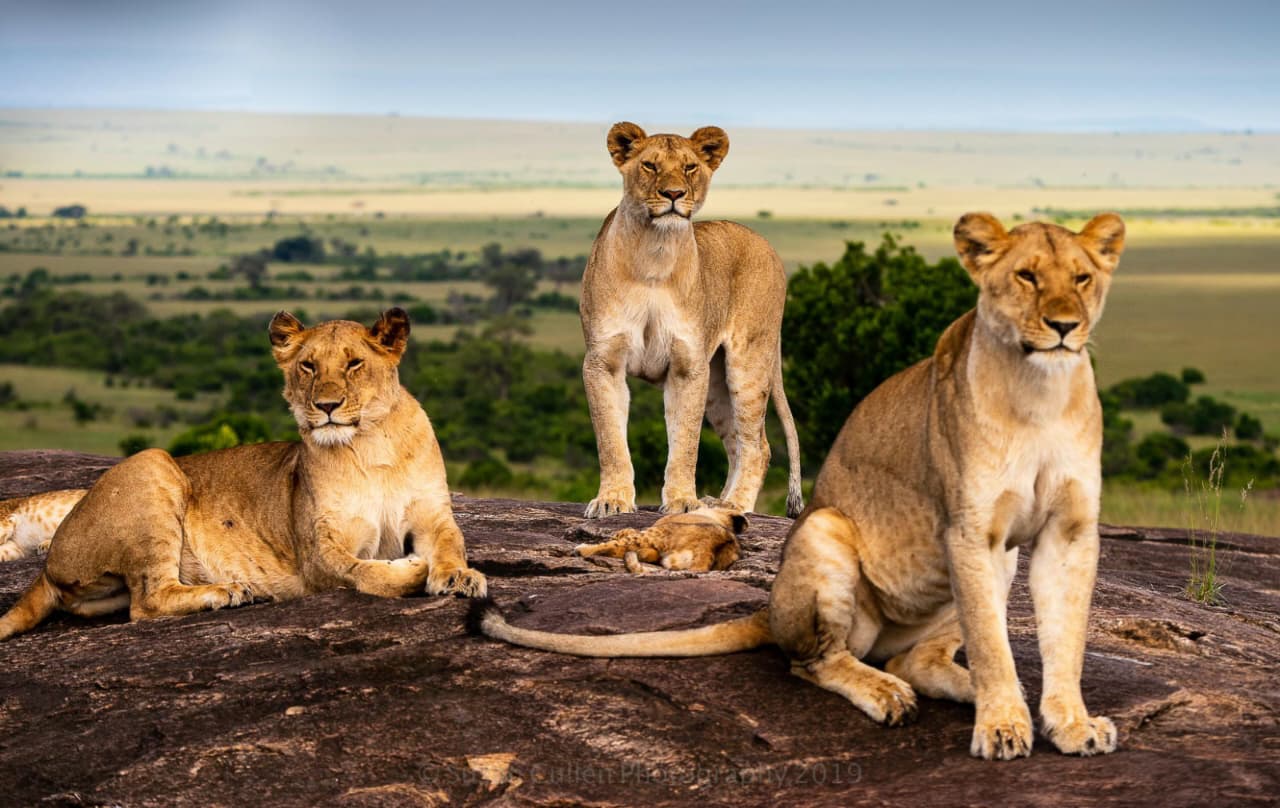
Tanzania offers several distinct landscapes for a Big Five safari, and the best destination depends on what you want the experience to feel like. The Serengeti brings vast open plains and predator encounters, Ngorongoro offers remarkable wildlife concentration, while Ruaha and Nyerere provide a more remote sense of wilderness.
The Serengeti National Park is one of Tanzania’s defining Big Five destinations. Its immense grasslands support large populations of lions, elephants and buffalo, while leopards can often be found around rocky outcrops, riverine vegetation and wooded areas.
The experience becomes even more powerful when wildlife behaviour becomes the focus. A lion pride resting after a hunt, a leopard moving through golden grass or elephants crossing an open plain tells a much richer story than simply adding another animal to a checklist.
Ngorongoro Crater is particularly valuable for travellers hoping to encounter several major species within a relatively compact ecosystem. Its crater floor supports lions, buffaloes, elephants and other large mammals, while the area is also renowned for opportunities to see the endangered black rhinoceros.
This concentration changes the rhythm of a safari. Instead of spending the entire day crossing enormous landscapes in search of wildlife, you can experience a remarkable variety of animals within the crater’s enclosed environment.
Tarangire National Park is especially famous for its elephants and dramatic baobab landscapes. During periods when wildlife concentrates around the Tarangire River and other water sources, the park can provide excellent opportunities for observing elephants, buffaloes and predators.
For a Big Five itinerary, Tarangire works particularly well as part of a northern circuit rather than being treated as an isolated destination. Its distinctive landscape gives the overall safari a different visual and ecological character.
Ruaha National Park appeals to travellers who want their Big Five experience to feel more remote. Its rugged terrain, large elephant populations and strong predator ecosystem create opportunities for slower, less crowded wildlife viewing.
Ruaha is particularly compelling when the goal is not simply to see the famous animals, but to experience the atmosphere of a genuinely wild African landscape.
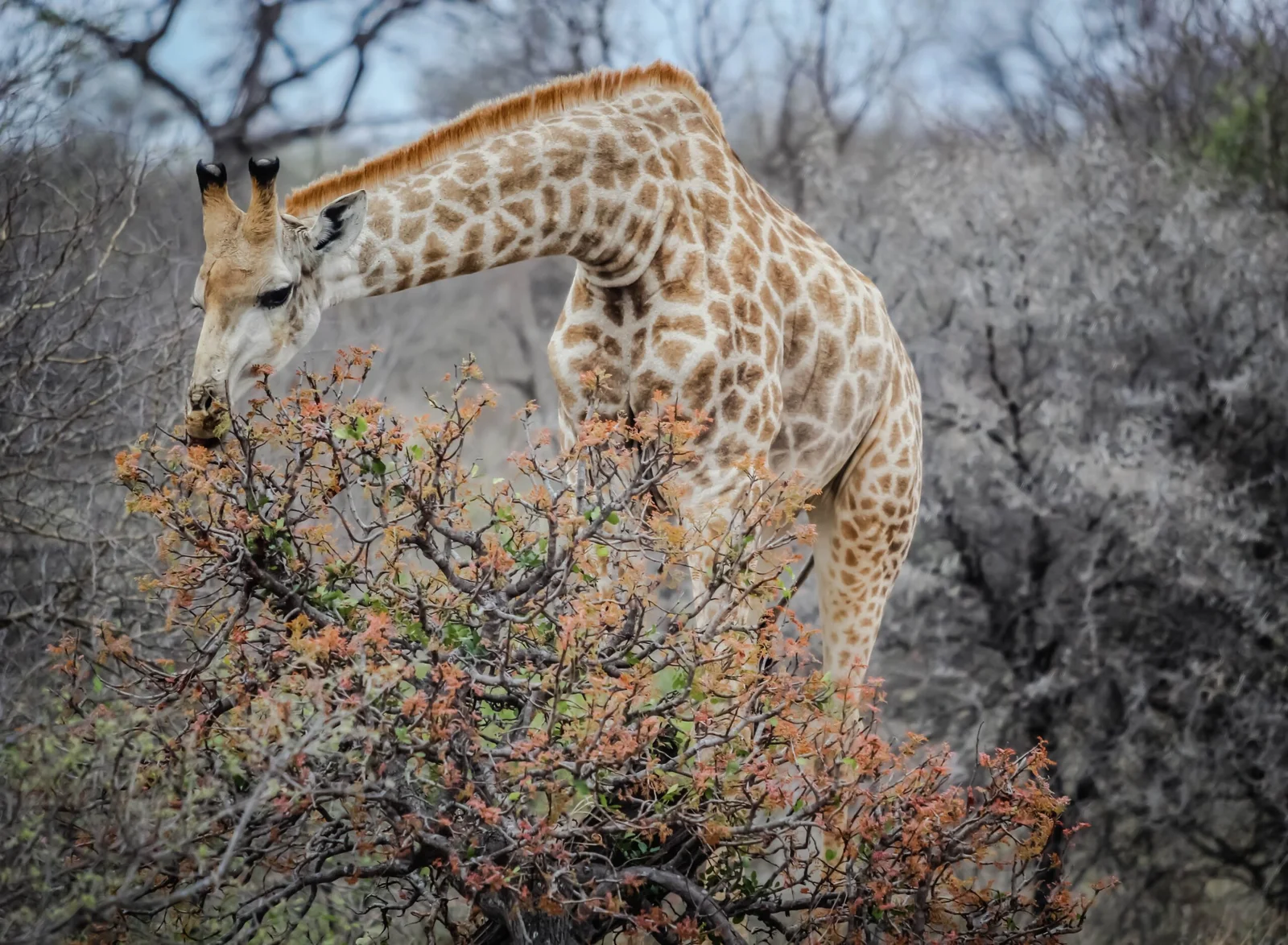
The best time for a Big Five safari depends on the type of encounter you want. Wildlife viewing can be excellent throughout much of the year, but changing rainfall, vegetation, water availability and animal behaviour alter the experience from season to season.
From roughly June to October, vegetation becomes thinner and wildlife often gathers around dependable water sources. These conditions can make animals easier to locate and photograph, particularly in destinations where water availability strongly influences wildlife movement.
For a first-time visitor whose priority is straightforward game viewing, the dry season offers a reassuring combination of visibility and wildlife concentration.
The months associated with the rains bring a different kind of safari. Landscapes become greener, skies can become dramatic, and many areas feel quieter than during the busiest travel periods.
This is the season for travellers who appreciate landscape, photography, fewer crowds and the feeling of a rejuvenated ecosystem rather than judging a safari purely by how many animals they can tick off.
If the Big Five experience is being combined with the Great Migration, your travel dates need to be chosen around the particular migration event you want to witness.
The migration is not a single event that happens in one place at one fixed time. Herds move through different parts of the Serengeti ecosystem as conditions change.
That means a traveller interested in dramatic predator action may need a different itinerary from someone whose dream is to witness calving or river crossings.
A Big Five safari can be designed around different expectations, budgets and levels of comfort. The strongest itinerary is not necessarily the one visiting the most parks; it is the one that gives you enough time in the right habitats for the experience you actually want.
A classic northern Tanzania itinerary can combine Tarangire, Ngorongoro and Serengeti, creating a natural progression through contrasting ecosystems.
This works particularly well for first-time safari travellers because it combines iconic landscapes, strong wildlife viewing and the possibility of encountering several of Africa’s most famous animals without making the journey unnecessarily complicated.
For travellers visiting at the right time, the Big Five can become part of a much larger ecological story.
You may watch predators following migrating herds, lions positioning themselves near concentrations of prey or vast numbers of wildebeest moving across the plains.
The migration therefore adds context to the Big Five experience: you are not simply watching individual animals, but observing relationships between predators, prey, seasons and landscape.
Luxury safari is less about adding unnecessary extravagance and more about improving the quality of time spent in the wilderness.
A well-designed luxury itinerary can provide private guiding, carefully positioned accommodation, flexible game drives and more opportunities to stay with an interesting wildlife encounter rather than rushing away because the schedule demands it.
If photography is the main objective, the safari should be planned differently from a general sightseeing trip.
Light, vehicle positioning, animal behaviour and patience become central considerations. A photographer may prefer spending an extended period with one subject rather than moving constantly in search of another sighting.
The best frame is often created not by seeing more animals, but by giving one remarkable moment enough time to unfold.
The phrase Big Five can make safari feel like a competition: five animals, five photographs, mission accomplished.
But the most memorable encounters rarely work that way.
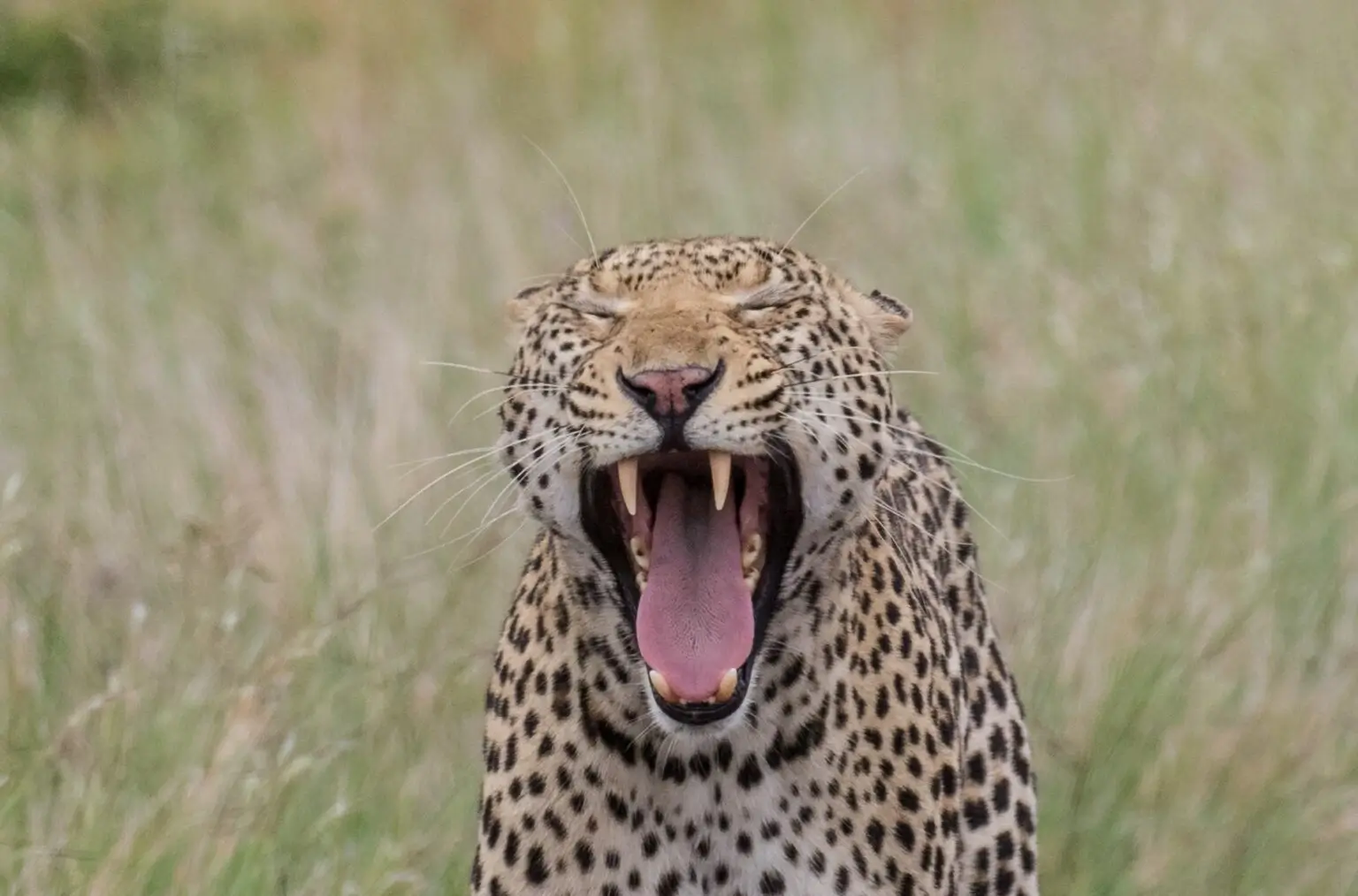
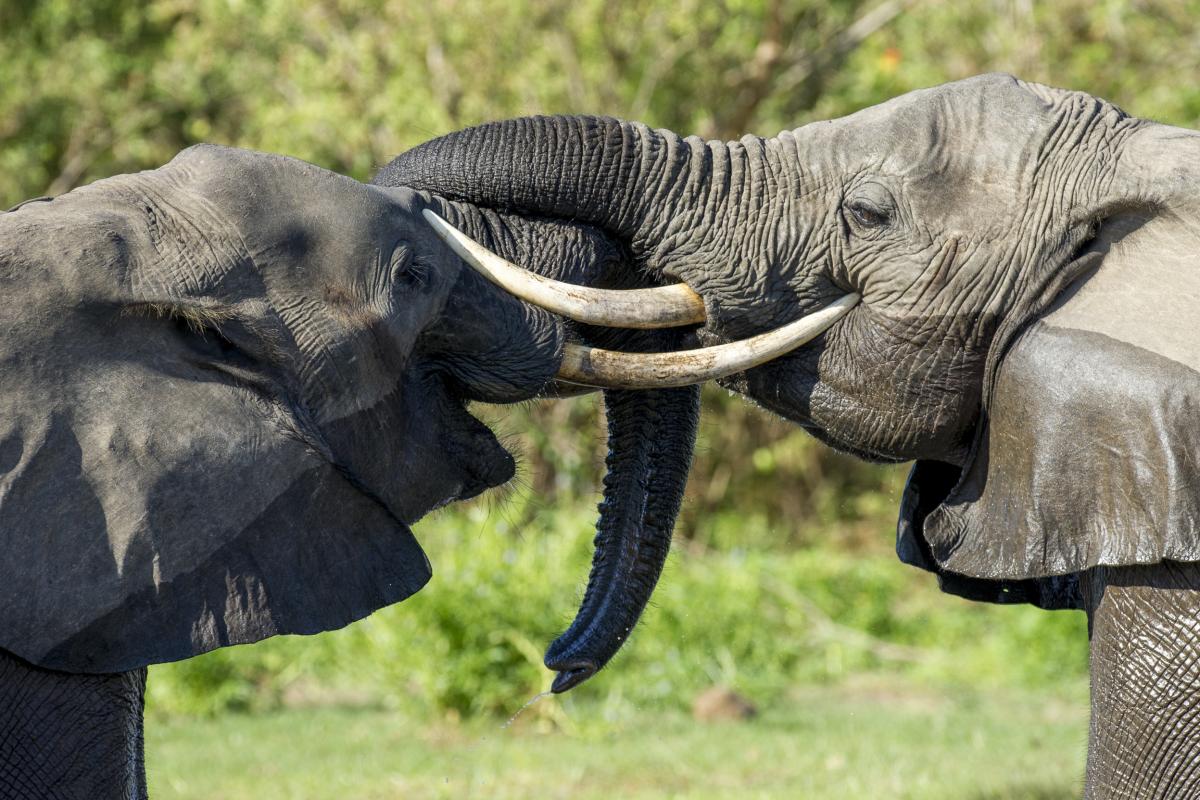
A leopard appearing briefly between branches, a herd of buffalo becoming alert to a distant predator, or elephants quietly communicating around a young calf may leave a stronger impression than several quick sightings combined.
The quality of the encounter matters more than the number of species.
Not every Big Five animal is equally easy to encounter.
If rhinoceros or leopard is particularly important to you, communicate that priority before your itinerary is planned. Your safari can then be designed around destinations and habitats that improve the opportunity rather than leaving everything to chance.
One of the easiest ways to weaken a Big Five safari is to make it too short.
More safari days do not guarantee every sighting, but they create more opportunities for unexpected encounters, changing weather, different habitats and animal behaviour.
Safari rewards patience because wildlife does not operate according to an itinerary.
Early morning is often one of the most rewarding periods for wildlife viewing. Temperatures are cooler, light is softer and many animals are still active.
For photographers, this also creates the kind of natural light that can transform an ordinary wildlife encounter into a memorable image.
A beautiful lodge cannot compensate for an itinerary that places you far from the wildlife experience you came to see.
Choose the ecosystem and safari style first. Then select accommodation that supports that plan.
This simple shift in planning can make the difference between spending your day immersed in wildlife and spending it driving long distances between accommodation and game-viewing areas.
No ethical safari guide can guarantee that you will see all five animals.
That uncertainty is not a weakness of safari—it is part of its meaning.
You enter a living ecosystem where animals decide when to appear, where to move and how long to remain visible. Sometimes the sighting you spend hours searching for never happens, while an entirely unexpected encounter becomes the moment you remember for years.
And that is why the Big Five Safari Experience is ultimately about more than finding five iconic animals. It is about slowing down enough to witness how an entire ecosystem breathes, moves and responds around you.
Strong destinations include Serengeti National Park, Ngorongoro Crater, Tarangire National Park and Ruaha National Park. Each offers a different wildlife environment and safari experience.