
Ruaha National Park is one of Tanzania’s most rewarding safari destinations for travelers who want more than the famous wildlife spectacle. Set in the heart of southern Tanzania, Ruaha combines vast open landscapes, rugged baobab country, seasonal rivers, and an extraordinary concentration of wildlife into a safari experience that feels both wild and deeply personal.
What makes Ruaha different is not simply what you can see, but how the destination makes you experience the African wilderness. The landscapes are immense, the wildlife is remarkably diverse, and the lower visitor density gives many game drives a sense of discovery that is increasingly difficult to find in Tanzania’s better-known northern parks.
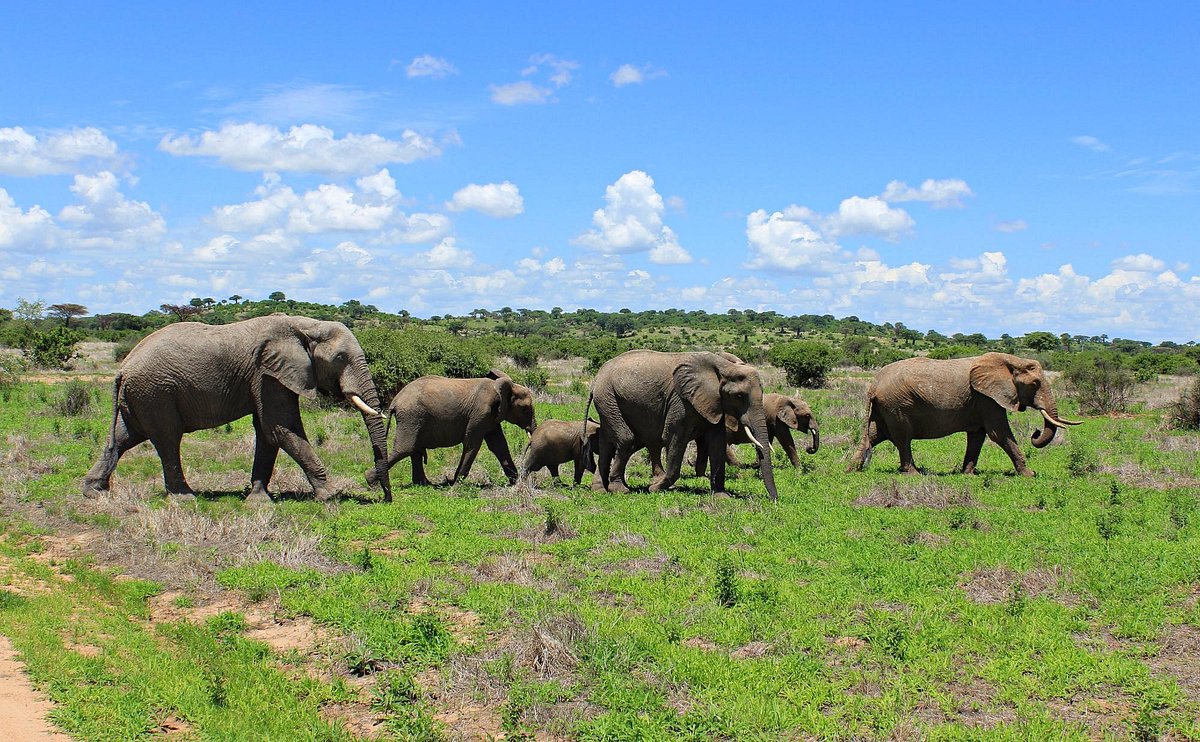
Ruaha is the kind of destination that rewards travelers who want to slow down and observe rather than simply collect sightings.
The park is particularly famous for its elephants, large buffalo herds, lions, leopards, wild dogs, giraffes, and a remarkable variety of antelope. Its location within the larger ecosystem of southern Tanzania also gives the landscape a distinctive character, with rocky outcrops, acacia woodland, baobab trees, open plains, and river systems creating a constantly changing safari backdrop.
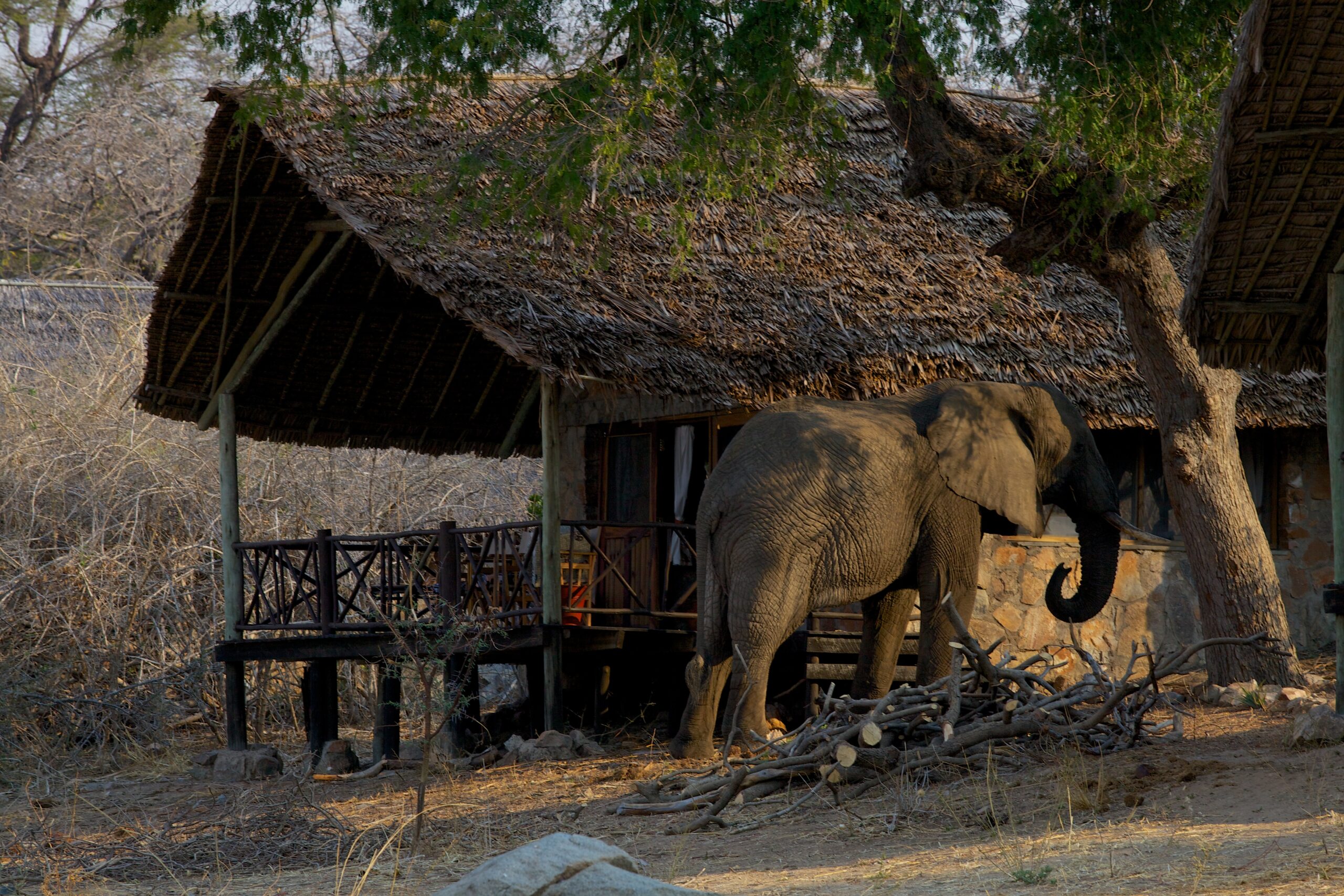
One of Ruaha’s defining experiences is seeing elephants moving through the landscape beneath enormous baobabs and around seasonal water sources.
During drier periods, wildlife becomes increasingly concentrated around reliable water, creating natural opportunities for observation. An elephant herd crossing an open plain can feel completely different from seeing the same species in a busy wildlife-viewing area because Ruaha often gives the encounter more space and atmosphere.
Ruaha is also an important destination for travelers interested in predator behaviour.
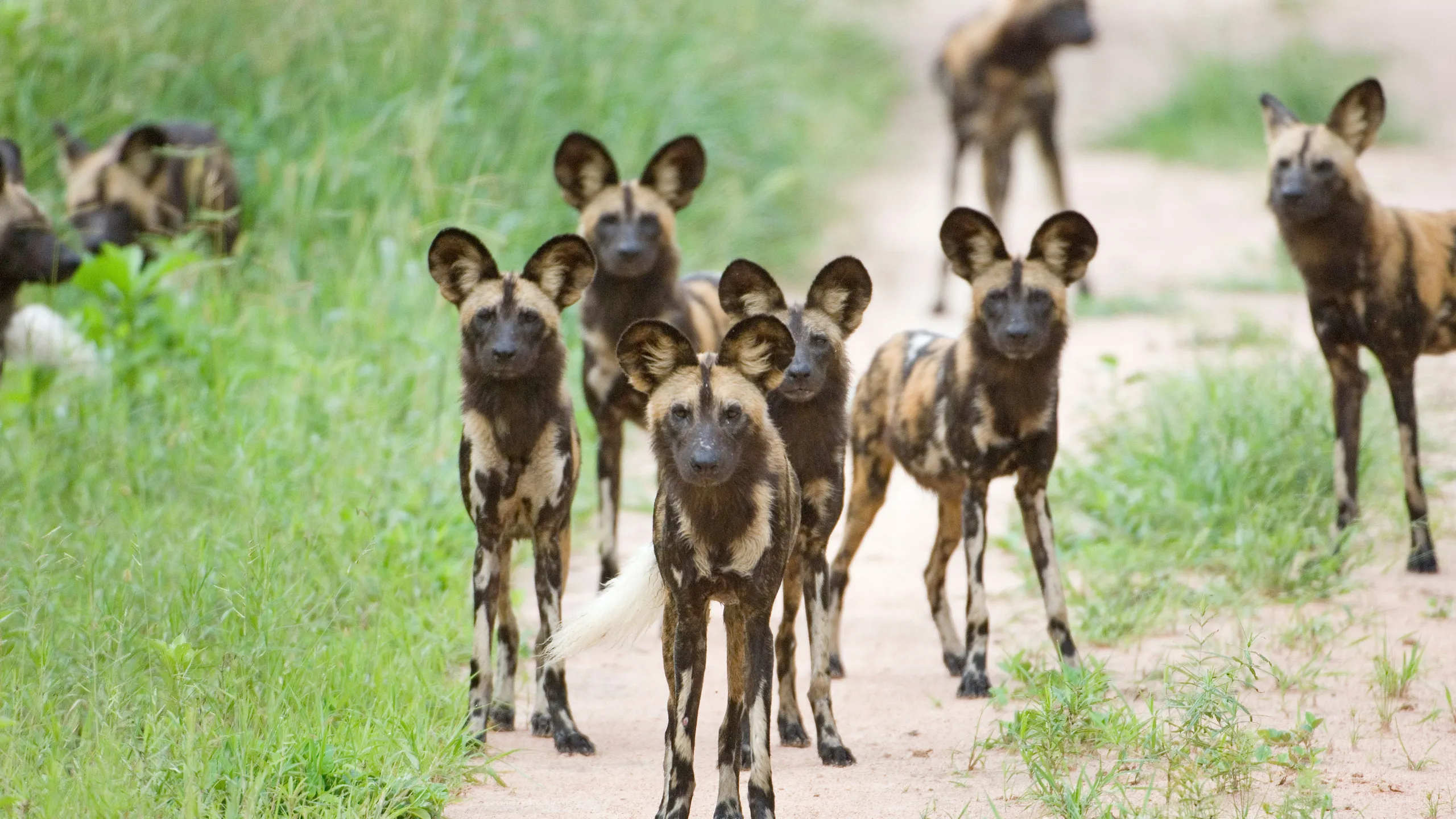
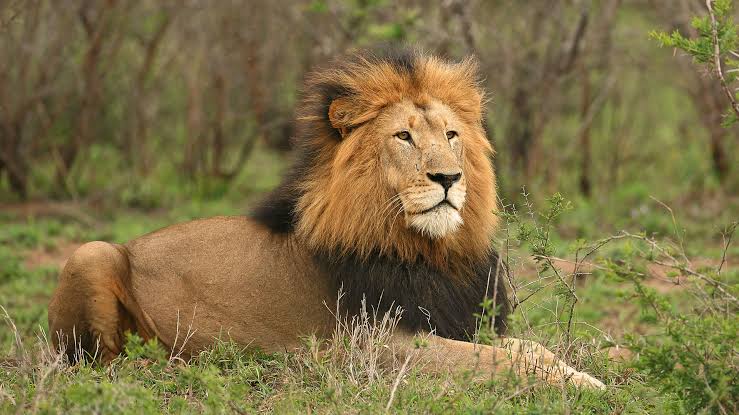
Lions are particularly prominent, while leopards can be encountered in suitable habitats. African wild dogs are another major attraction, especially for travelers who have always wanted to see one of Africa’s most fascinating and endangered carnivores.
The real value, however, is not simply ticking predators off a list. Ruaha allows you to watch the relationships between predators, prey, water, habitat, and season. A quiet afternoon following a pride of lions can reveal more about the ecosystem than a dozen rushed sightings.
Ruaha’s scenery is part of the safari experience.
Large baobabs rise above dry woodland, rocky hills break the horizon, and the Great Ruaha River creates an important ecological corridor through the park. The landscape changes dramatically with the seasons, which means the same area can look almost like a different destination at different times of the year.
This combination of wildlife and scenery makes Ruaha especially attractive to photographers and travelers who want their safari to feel visually distinctive.
For many travelers, one of Ruaha’s greatest advantages is its relatively low visitor density compared with Tanzania’s most famous northern safari destinations.
That does not mean every wildlife encounter will be completely private. It means the overall experience can feel less predictable and more exploratory.
You may spend part of a game drive following tracks, searching for movement in the woodland, or waiting quietly near water. That uncertainty is part of the attraction.
Ruaha does not always reveal the wilderness immediately. Sometimes it makes you earn the sighting.
Ruaha works particularly well for travelers who have already experienced popular safari destinations or simply want a quieter and more immersive introduction to Tanzania.
It is especially compelling for wildlife enthusiasts, photographers, couples seeking a more intimate safari atmosphere, and travelers interested in combining southern Tanzania with other destinations such as Nyerere National Park.
The deeper appeal is simple: Ruaha feels like a place where the wilderness still has room to breathe.
The best time to visit Ruaha depends on what you want from the safari.
For many travelers, the dry season is the easiest period for wildlife viewing because vegetation becomes thinner and animals increasingly gather around dependable water sources. This can make wildlife easier to locate and create excellent conditions for game drives.
The landscape also develops a striking dry-season character, with golden grass, dusty tracks, exposed riverbeds, and wildlife concentrated around remaining water.
The dry months are generally the most popular period for a classic wildlife safari.
As water becomes less widely available, animals tend to gather around rivers, pools, and other dependable sources. Predators can also become easier to locate because prey movements become more predictable.
This is particularly attractive if your priority is maximizing wildlife encounters.
The wetter months transform Ruaha.
Fresh vegetation appears, the landscape becomes greener, and migratory and resident birdlife can become especially rewarding for birdwatchers. Young animals may also add another dimension to the experience.
The trade-off is that thicker vegetation can sometimes make wildlife harder to spot, while some roads and areas may become more challenging depending on rainfall.
But for travelers who value scenery, birds, photography, fewer visitors, and a more atmospheric wilderness experience, the green season can be surprisingly rewarding.
There is no single month that is perfect for everyone.
If your priority is concentrated wildlife viewing, the dry season is usually the straightforward choice. If you prefer lush scenery, birdlife, dramatic skies, and a quieter atmosphere, the greener months can offer a completely different experience.
This is one of the most important things to understand about Ruaha: the best time to visit is determined by the experience you want, not simply by a calendar
A Ruaha safari can be designed around wildlife viewing, photography, relaxation, or a broader southern Tanzania journey.
Most experiences revolve around game drives, but the best itineraries allow enough time for the destination itself rather than treating Ruaha as a quick stop between other parks.
Game drives are the heart of the Ruaha experience.
Early morning drives can take advantage of cooler conditions and active wildlife, while afternoon drives gradually lead into some of the most atmospheric hours of the day.
A well-planned safari should leave room for observation rather than forcing every drive into a checklist of species.
Ruaha is particularly interesting for safari photography because of its combination of wildlife, dramatic landscapes, large mammals, and distinctive vegetation.
Baobabs, elephants, lions, golden grasslands, rocky terrain, and changing light can create images that look very different from the classic Serengeti safari aesthetic.
Photographers should think beyond animal portraits. The landscape around the animal is often what makes a Ruaha photograph feel like Ruaha.
Private safari arrangements provide greater flexibility over daily schedules and game-drive priorities.
This can be especially valuable for photographers, couples, families, or travelers who want to spend more time at a particular wildlife encounter instead of following a fixed group itinerary.
Ruaha can also form part of a broader southern Tanzania safari.
A combination with Nyerere National Park can create a varied itinerary, with Ruaha offering a strongly terrestrial wildlife experience and Nyerere adding different landscapes and experiences.
For travelers with more time, extending a southern Tanzania journey can create a deeper understanding of the region rather than simply visiting individual parks as isolated attractions.
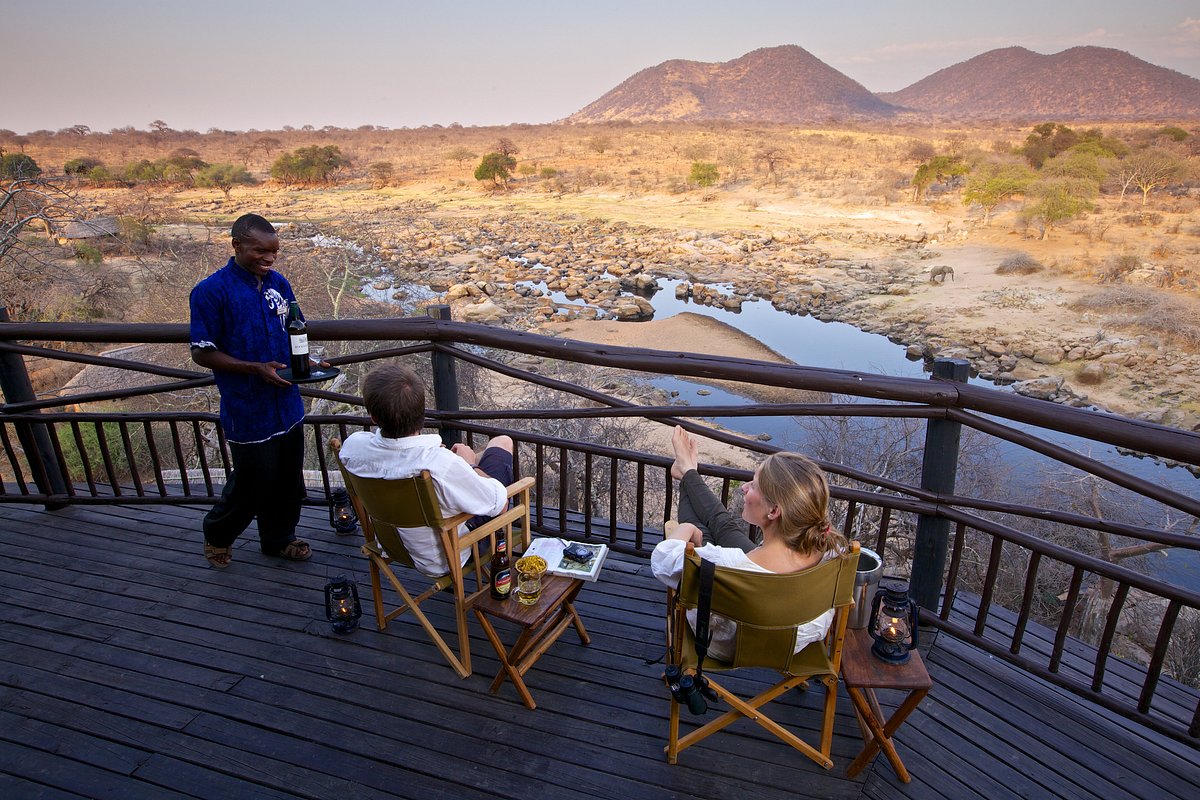
Accommodation in Ruaha ranges from comfortable safari camps to high-end lodges and intimate wilderness properties.
The right choice depends not only on budget, but also on the kind of safari experience you want.
Luxury properties are designed for travelers who want to combine serious wildlife experiences with high levels of comfort.
Many provide spacious accommodation, private or semi-private dining, strong guiding, and carefully designed locations that allow the surrounding wilderness to remain part of the experience.
For honeymooners, couples, and travelers celebrating a special occasion, this category can turn a wildlife trip into a complete wilderness retreat.
Mid-range camps can provide an excellent balance between comfort and safari value.
For many travelers, this is the sweet spot because more of the budget can go toward the safari itself while still maintaining comfortable rooms or tents, good meals, and access to experienced guides.
Location matters.
Two properties may appear similar on paper but produce different safari experiences depending on their position, access routes, surrounding habitat, and how the daily game-drive programme is organized.
Instead of choosing accommodation based only on room photographs or star ratings, consider the bigger question:
What kind of Ruaha experience will this location help me have?
That question usually leads to a better decision.
Ruaha rewards preparation because it is a large wilderness destination where logistics can shape the quality of your safari.
One of the most common mistakes is trying to experience Ruaha too quickly.
The park’s scale and wildlife diversity make it better suited to travelers who can give themselves several days rather than treating it as a brief overnight stop.
More time also gives your guide greater flexibility to follow changing wildlife patterns instead of forcing every experience into a single game drive.
Ruaha can be incorporated into a safari using different transport arrangements, including scheduled or private flights and road-based itineraries depending on the overall route.
Your choice should be based on the complete safari plan rather than transport alone.
A faster transfer can preserve more time for wildlife viewing, while a road journey may make sense when building a broader southern Tanzania itinerary.
Safari conditions can change considerably between morning and afternoon.
Light layers, comfortable clothing, sun protection, a hat, sunglasses, insect protection, and suitable footwear are useful. A good camera, extra batteries, and sufficient memory storage are particularly important for photographers.
During cooler periods, an additional warm layer for early morning drives can make a significant difference.
Ruaha is not a zoo.
Wildlife behaviour is unpredictable, and the best encounters often happen when travelers allow the animals to determine the pace.
Listen to your guide, maintain appropriate distance, avoid sudden movements and loud noises, and remember that the goal is not simply to get closer. It is to witness natural behaviour without disrupting it.
Do not make your entire safari about lions and elephants.
Ruaha’s richness becomes much more obvious when you start paying attention to birds, smaller mammals, unusual antelope, tracks, plants, insects, landscapes, and predator-prey relationships.
A good guide can turn these seemingly small details into some of the most memorable parts of the journey.
Ruaha is not necessarily the destination for someone who wants guaranteed sightings every hour.
It is better suited to travelers who appreciate the process of searching, observing, interpreting tracks, reading landscapes, and allowing wildlife encounters to unfold naturally.
That distinction matters.
If you understand it before arriving, Ruaha can feel less like a sightseeing trip and more like entering a living ecosystem.
Ruaha’s greatest strength is not one particular animal, season, lodge, or landscape.
It is the relationship between all of them.
The elephants depend on water and habitat. Predators respond to prey movements. Seasonal changes reshape the landscape. Rivers influence where wildlife concentrates. Human activity influences how the wilderness is protected and experienced.
Once you begin seeing these connections, Ruaha becomes more than a place to look for animals.
It becomes a destination to understand.
And that is where the real magic of a Ruaha safari begins: not when you finally see the animal you came for, but when you realize you have started reading the wilderness differently.