
At the base of the Great Rift Valley, Lake Manyara National Park compresses an extraordinary range of landscapes and wildlife into a relatively compact safari destination. Evergreen groundwater forests give way to open woodland, floodplains, wetlands and the alkaline waters of Lake Manyara, while the Rift Valley escarpment rises dramatically behind it.
This is the park where a safari can move from watching elephants beneath giant trees to searching the lakeshore for flamingos, then scanning an acacia branch for the park’s famously elusive tree climbing lions. It is also one of the strongest birding destinations on Tanzania’s northern safari circuit, with more than 400 bird species recorded.
Lake Manyara is not simply about seeing a long list of animals. Its real strength is ecological diversity. Within one visit, you can encounter groundwater forest, acacia woodland, open floodplain, wetlands, alkaline lake habitat and the dramatic Rift Valley escarpment.
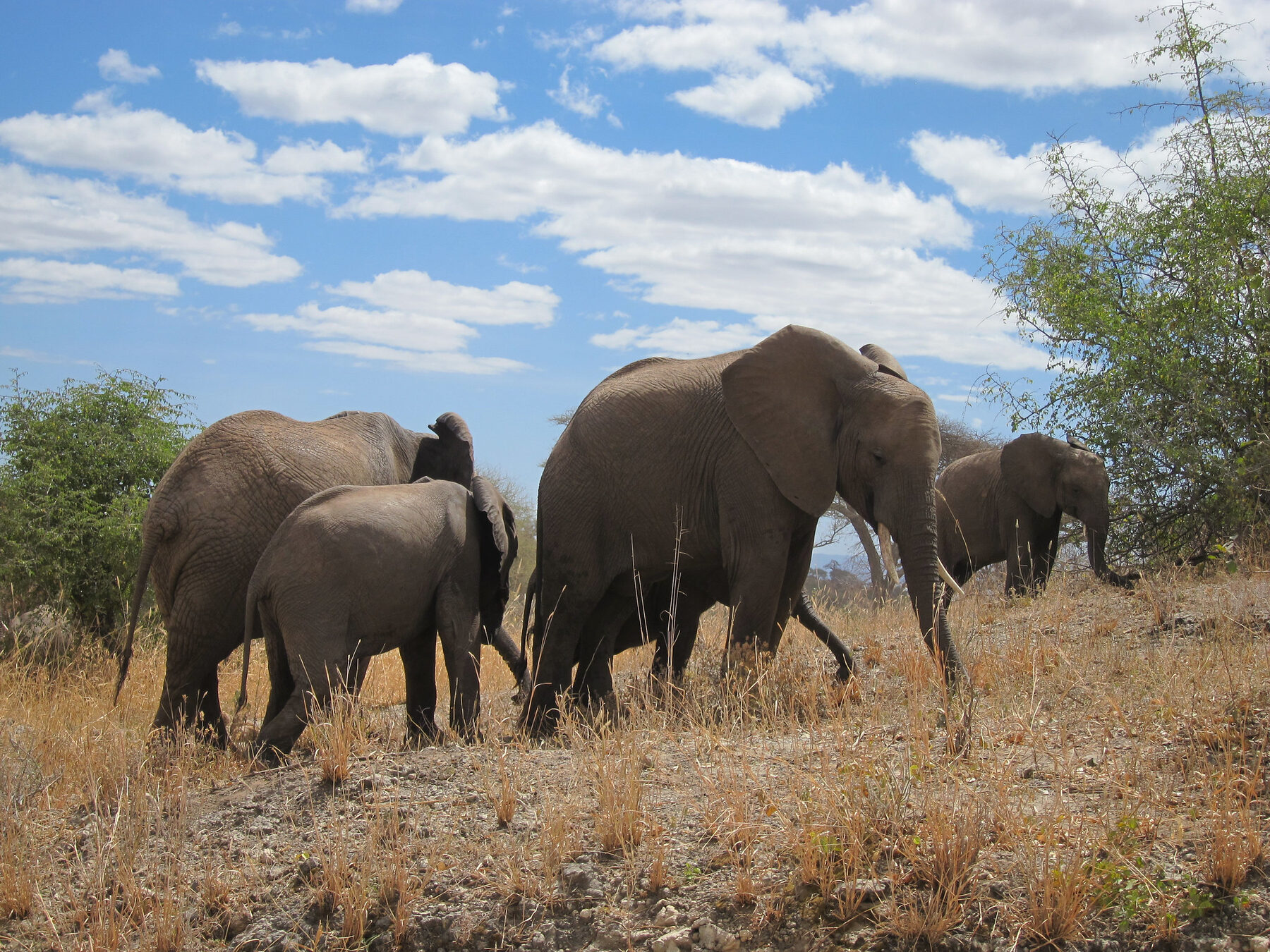
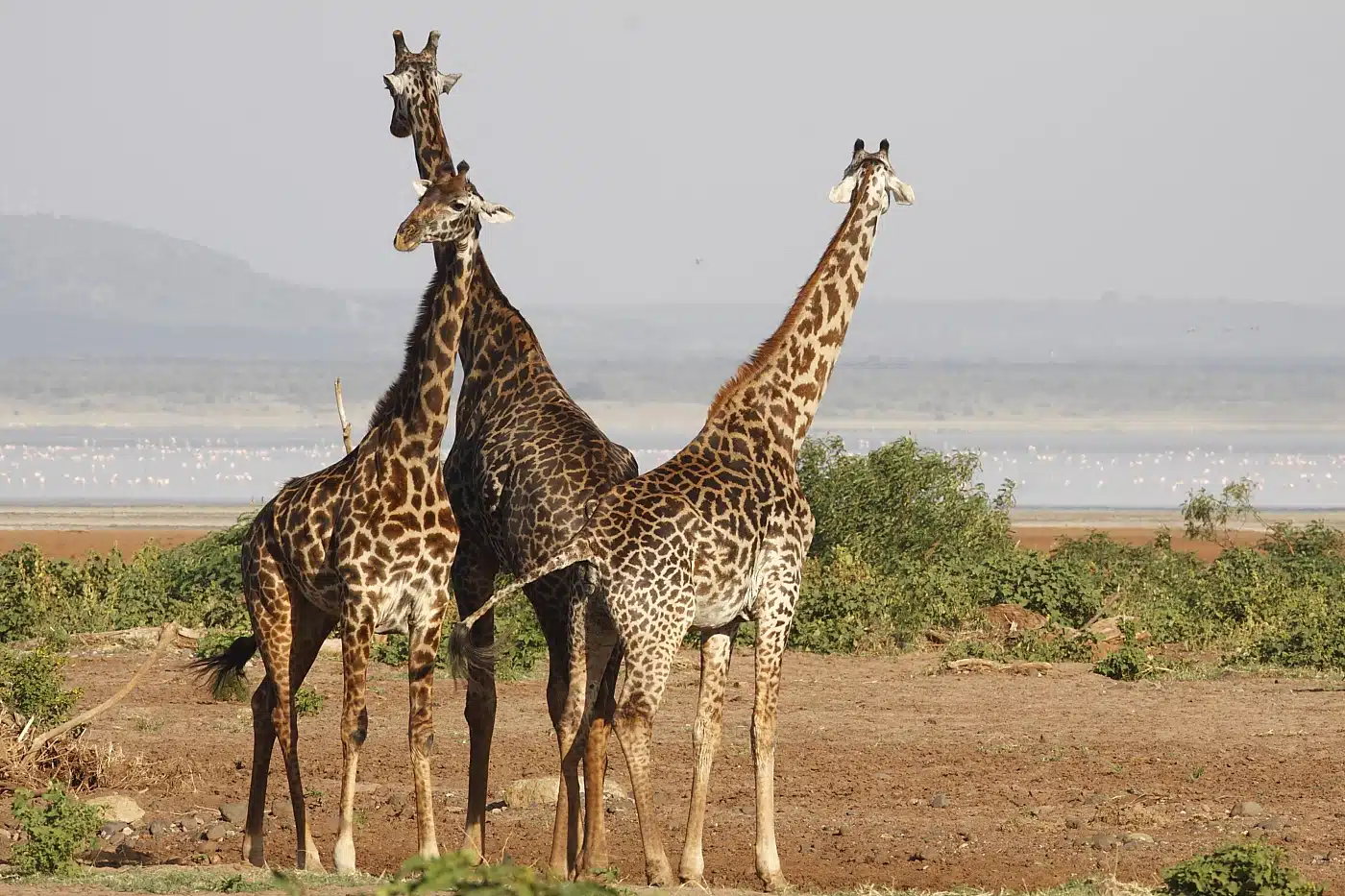
That variety changes the character of the safari as you drive. One moment the road passes beneath dense forest where blue monkeys and baboons move through the trees. Further along, the vegetation opens and giraffes, zebras, buffalo and elephants become easier to spot. Near the lake, the landscape shifts again toward wetlands and waterbirds.
It is this constant change that makes Manyara particularly rewarding for travellers who want more than a conventional open savannah safari.
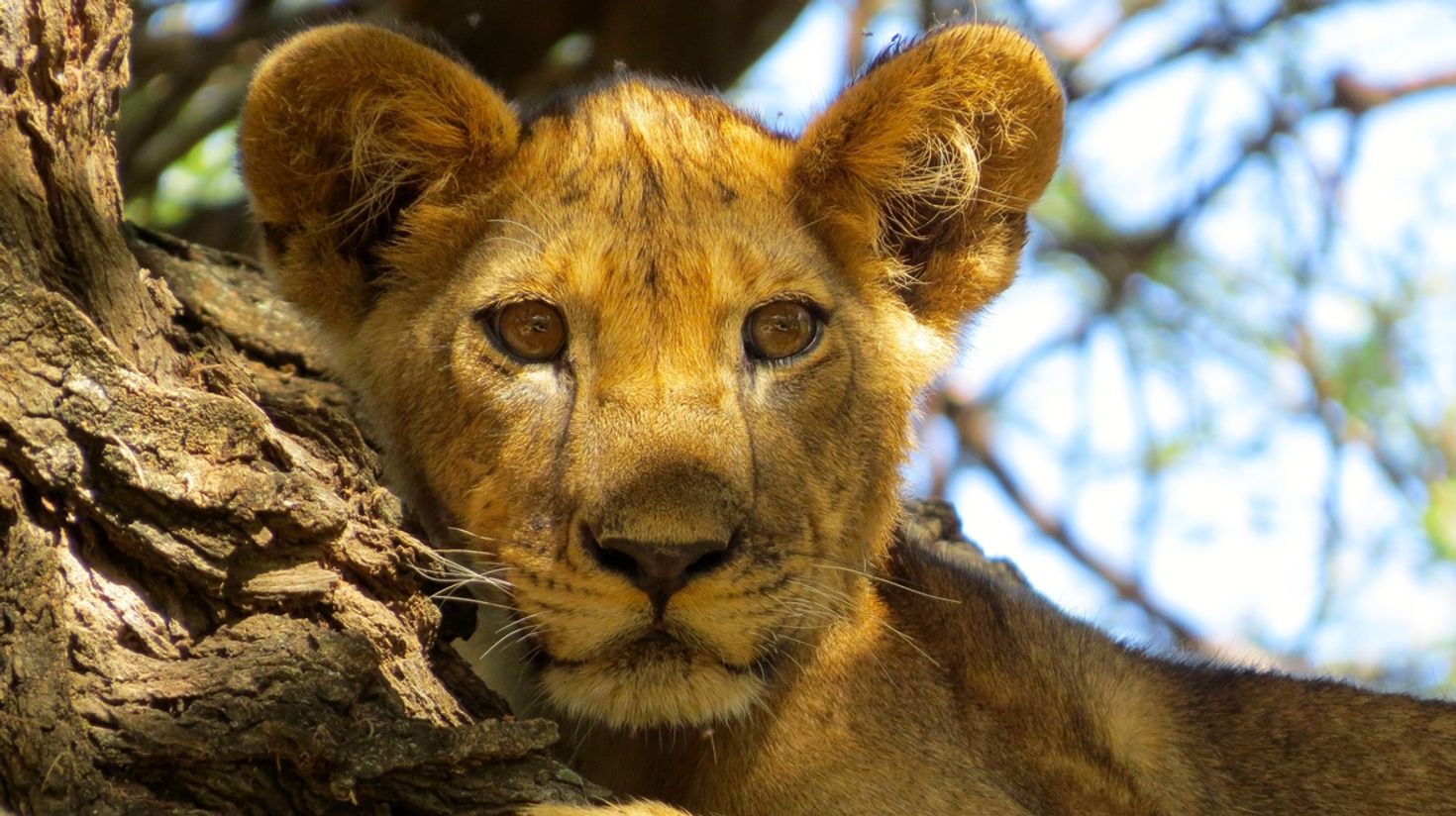
The park is famous for its tree climbing lions, an unusual behaviour that has become one of Lake Manyara’s defining safari experiences.
Seeing one is never something a responsible safari guide should guarantee. Wildlife remains unpredictable. But when a lion is resting high in an acacia tree, the experience feels very different from seeing one on the ground.
The real attraction is not simply the photograph. It is the possibility of watching a predator occupy a completely unexpected part of the landscape.
The groundwater forest is one of Manyara’s most distinctive habitats. Freshwater springs emerging near the Rift Valley escarpment help sustain an evergreen forest even when surrounding conditions become much drier.
Tall trees create a cooler, shaded environment where blue monkeys, baboons, bushbucks and numerous bird species can be encountered. The forest also gives Manyara a visual identity that is very different from the wide grasslands associated with classic East African safaris.
For photographers, birdwatchers and travellers who appreciate landscapes as much as large mammals, this forest is a major reason to include Manyara in a northern Tanzania itinerary.
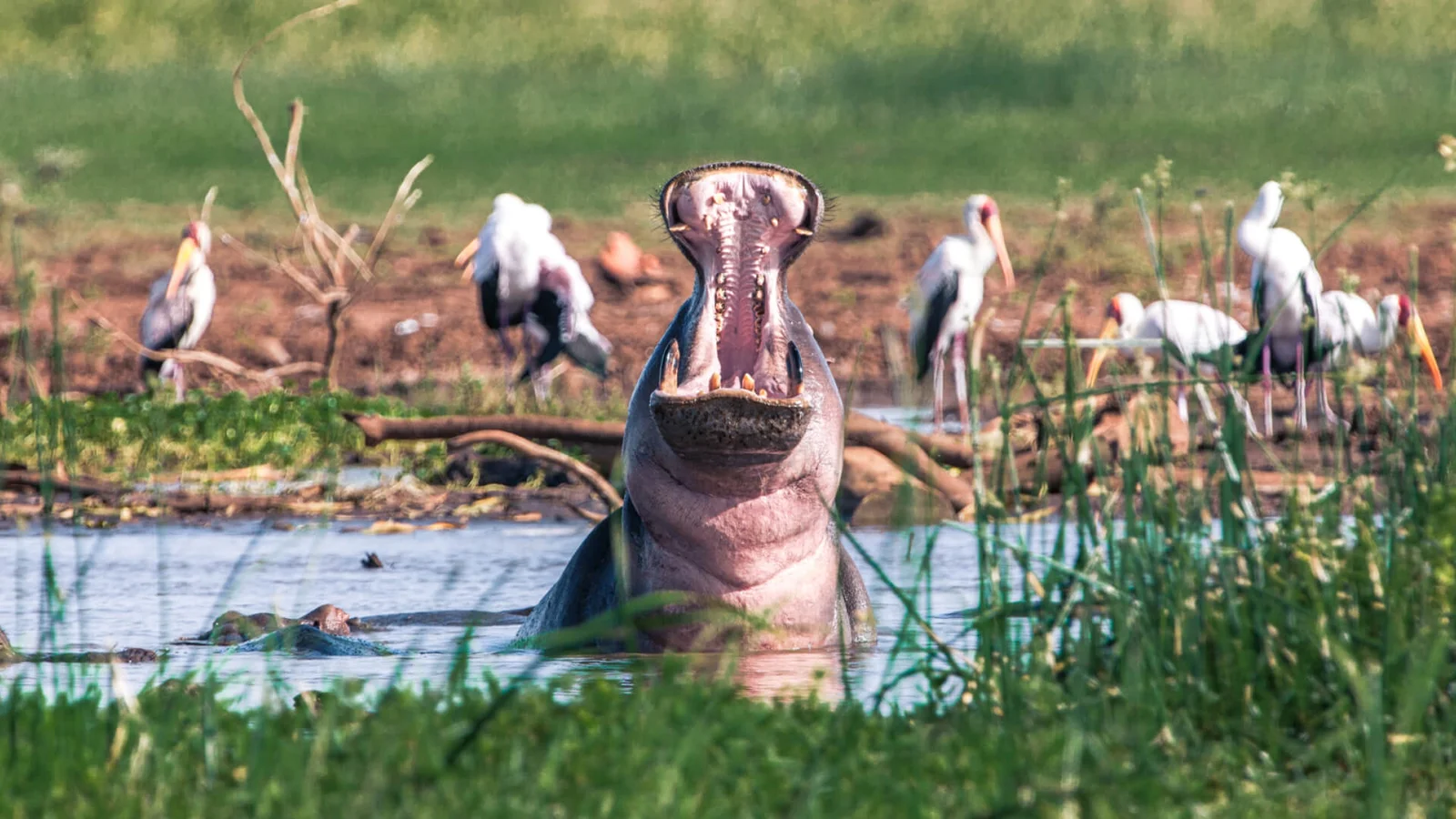
The alkaline lake creates another completely different safari environment. Depending on season and water conditions, its shores can attract flamingos, pelicans, storks, herons and many other waterbirds.
This makes Lake Manyara particularly interesting for birdwatchers, but you do not need to be a specialist birder to appreciate the scene. The contrast between pink flamingos, reflective water, surrounding woodland and the Rift Valley escarpment creates some of the park’s most memorable landscapes.
Manyara’s location also makes it strategically useful.
The park lies along Tanzania’s northern safari circuit, close to Mto wa Mbu, and is approximately 125 km from Arusha by road according to TANAPA’s visitor guide.
That means it can work particularly well as an early safari stop before continuing toward destinations such as Ngorongoro and Serengeti.
For travellers with limited time, this matters. You do not necessarily need several days to experience the park’s main character.
Lake Manyara is open throughout the year, but the best time depends on what you want from the safari. Wildlife viewing, birding, photography and landscape experiences do not always peak under exactly the same conditions.
The dry season is generally attractive for travellers who prioritise comfortable safari conditions and wildlife viewing.
As water becomes more concentrated in certain areas, animals may become easier to locate around remaining water sources and productive habitats. The vegetation can also become less dense, improving visibility in some areas.
For a first safari, this period is often appealing because it gives you a strong balance between wildlife viewing and relatively predictable travel conditions.
The greener months can transform the park’s appearance.
Fresh vegetation brings colour back into the landscape, while migratory birds add another layer to the park’s already impressive birdlife. For photographers, the combination of green vegetation, dramatic skies and wildlife can be particularly rewarding.
If your priority is birdwatching rather than simply ticking off large mammals, this period deserves serious consideration.
The long rains can bring wetter conditions and some routes or activities may be affected by weather. TANAPA advises visitors to follow current ranger guidance because routes can temporarily close during rains.
But there is an important distinction here: less predictable weather does not automatically mean a bad safari.
The landscape can become intensely green, the air can feel fresh, and the park can offer a quieter atmosphere. The right question is therefore not simply “Is it rainy?” but “What kind of safari experience am I trying to create?”
For a classic first-time safari, June to October is a strong choice.
For birding, lush scenery and dramatic photography, the greener months can be more appealing.
And if your itinerary already includes Serengeti or Ngorongoro, Manyara does not need to compete with them for the same experience. Its value lies precisely in its forests, lake, birdlife, escarpment scenery and unusual wildlife behaviour.
Lake Manyara works particularly well as part of a Northern Tanzania safari circuit, but it can also be visited as a focused day safari.
The classic way to explore the park is by vehicle. Game drives follow the park’s road network through its different habitats, giving you opportunities to encounter elephants, buffalo, giraffes, zebras, wildebeest, hippos, monkeys, birds and, with luck, lions in the trees.
The experience is especially interesting because the scenery changes continuously.
You are not simply driving across one enormous grassland. You are moving through an ecological sequence, from forest to woodland, floodplain and lakeshore.
The canopy walkway offers a completely different perspective of Manyara.
Rather than observing the forest from the vehicle, visitors move above the forest floor through a series of elevated bridges and viewing platforms. TANAPA describes the walkway as 370 metres long and reaching approximately 18 metres above the ground.
From this elevation, birds, butterflies and monkeys become part of the experience in a way that a conventional game drive cannot reproduce.
This is one of the activities that makes Manyara particularly attractive for families and travellers who want to combine wildlife viewing with a more interactive nature experience.
With more than 400 recorded bird species, Lake Manyara deserves serious attention from bird enthusiasts.
The combination of forest, wetland, woodland and lake habitat means different bird communities can be encountered within the same safari.
Look for waterbirds around the lake, forest species beneath the canopy and birds of prey and woodland species in the more open habitats.
Guided walking experiences can provide a closer look at tracks, vegetation, insects and smaller details that are easily missed from a safari vehicle. TANAPA lists guided walking options among activities available in the park, subject to arrangements and regulations.
The important distinction is that a walking safari is not simply a game drive without a vehicle. It changes what you notice.
Instead of focusing primarily on large animals, you begin reading the landscape itself.
Night game viewing is another experience associated with Lake Manyara, where permitted and subject to park regulations.
After dark, the park changes character. Nocturnal species become more relevant, sounds become more pronounced and the familiar daytime landscape takes on an entirely different atmosphere.
Availability should be confirmed when planning because special activities can have additional requirements and charges.
Manyara is particularly effective when positioned strategically within a longer safari.
A common routing can connect:
Arusha → Lake Manyara → Ngorongoro → Serengeti
The logic is simple. Manyara introduces the traveller to a forest and lake environment, Ngorongoro delivers its dramatic crater ecosystem, and Serengeti expands the experience into vast open plains and major wildlife landscapes.
The result is more diverse than treating every destination as another version of the same safari.
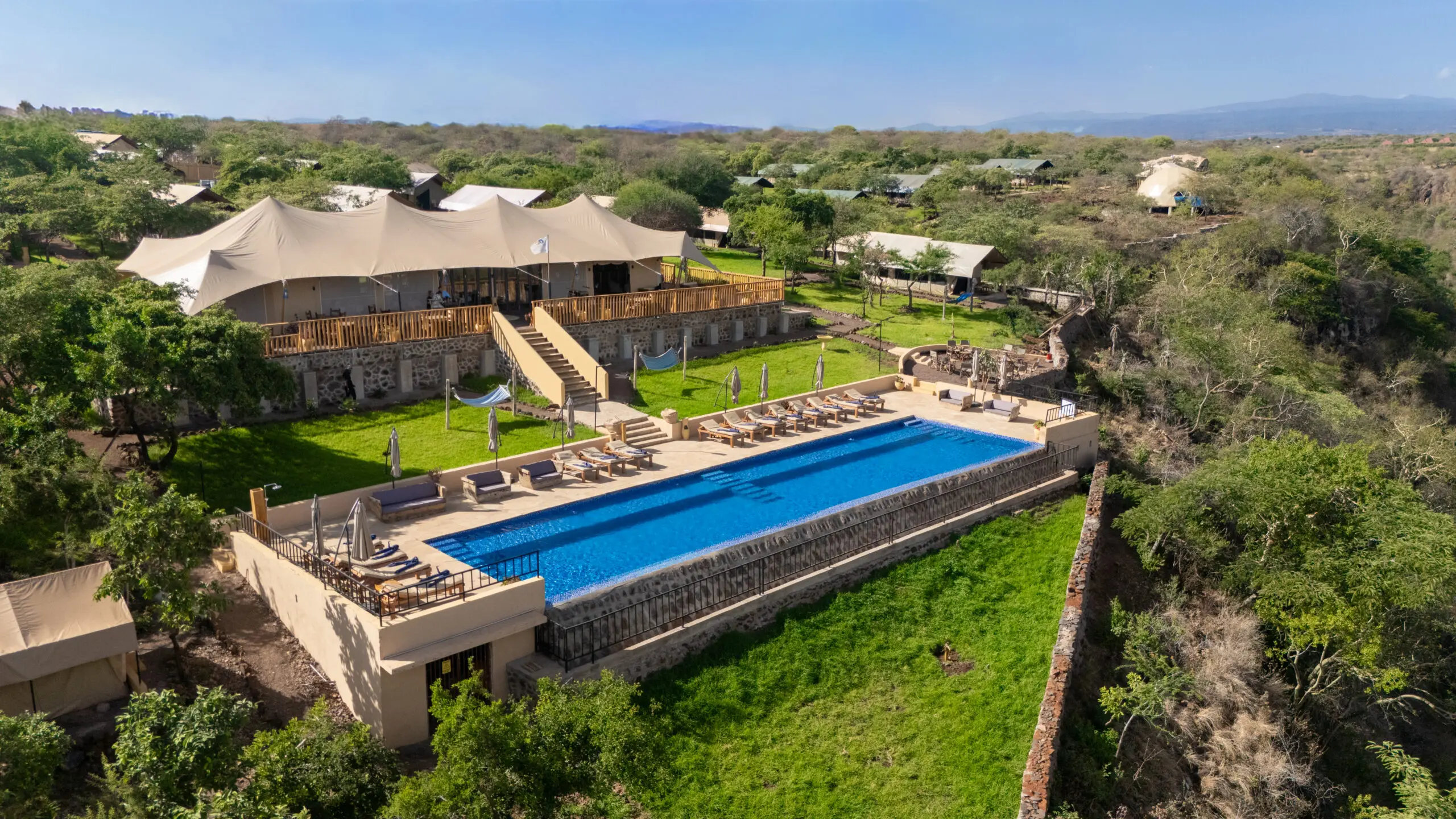
Accommodation around Lake Manyara falls into two practical areas: inside or close to the park, and around Mto wa Mbu and Karatu.
TANAPA notes that accommodation inside the park is more limited, while nearby Mto wa Mbu and Karatu offer a broader range of guesthouses, lodges and boutique properties.
Staying close to Lake Manyara makes sense if you want an early start and easy access to the park.
It can also work well for travellers building a northern circuit itinerary where Manyara is one part of a larger journey.
Mto wa Mbu is particularly convenient because of its proximity to the park gate.
It can also add a cultural dimension to the trip, with cultural visits in the area forming part of the wider Manyara experience.
For travellers who want to experience more than wildlife, this can make the area more interesting than simply treating it as a place to sleep.
Karatu provides another accommodation base for travellers combining Manyara with Ngorongoro.
This can be especially practical when the itinerary is designed around several northern Tanzania destinations rather than Lake Manyara alone.
The right accommodation is therefore less about finding the “best lodge” in isolation and more about asking:
Where does this lodge fit within my entire safari route?
That question can save unnecessary driving and make the overall journey feel much more seamless.
Lake Manyara National Park is approximately 125 km from Arusha by road, with TANAPA estimating around 2 to 2.5 hours under good road conditions. The park’s main gate is near Mto wa Mbu at the base of the Rift Valley escarpment.
Manyara Airstrip also receives scheduled and charter flights, making flying an option for travellers who want to reduce road travel.
Bring lightweight, comfortable clothing, sun protection, drinking water, insect repellent and binoculars.
Neutral-coloured clothing is useful for safari, while a light layer can be valuable during cooler mornings.
For birdwatchers and photographers, binoculars and a suitable camera lens can make a substantial difference because many of Manyara’s most interesting subjects are not necessarily large mammals standing beside the road.
Always remain inside the vehicle except at designated areas and follow instructions from your guide and park authorities. Keep a safe distance from elephants and hippos, never approach wildlife, and do not feed monkeys or baboons around picnic areas.
This is especially important at Manyara because the park’s forests and picnic areas can bring visitors relatively close to primates.
The rule is simple:
Enjoy the wildlife without changing its behaviour.
A day visit can work well, particularly when Manyara is being used as part of a northern circuit.
However, if your interests include birding, photography, canopy walking or slower exploration of the forest and lake environments, allowing more time can make the experience feel less rushed.
Park fees and special activity charges can change according to the applicable TANAPA tariff, residency status, age, vehicle and activity. TANAPA’s current visitor information should therefore be checked before booking.
Do not build your safari budget around an old fee quoted in a blog post.
Lake Manyara’s appeal depends on fragile ecosystems, particularly its wetlands and groundwater forest.
Stay on designated roads and boardwalks, avoid littering, keep noise low around wildlife and bird areas, and follow ranger instructions.
The smallest behaviour from a visitor can become part of the larger conservation story.
Lake Manyara National Park is easy to underestimate because it is smaller than some of Tanzania’s legendary safari destinations.
But size is not what makes Manyara memorable.
Its character comes from contrast. Forest beside floodplain. Wildlife beside wetlands. Flamingos beside hippos. A soda lake beneath the Rift Valley escarpment. And, somewhere above the ground, a lion resting in a tree where you might least expect to find one.
That is the real reason to visit Lake Manyara.
You do not come here simply to see another collection of African animals. You come to experience how dramatically an ecosystem can change within a relatively short distance, and to discover why one of Tanzania’s quieter safari destinations can leave an unexpectedly strong impression.