
Ngorongoro Crater
Ngorongoro Crater
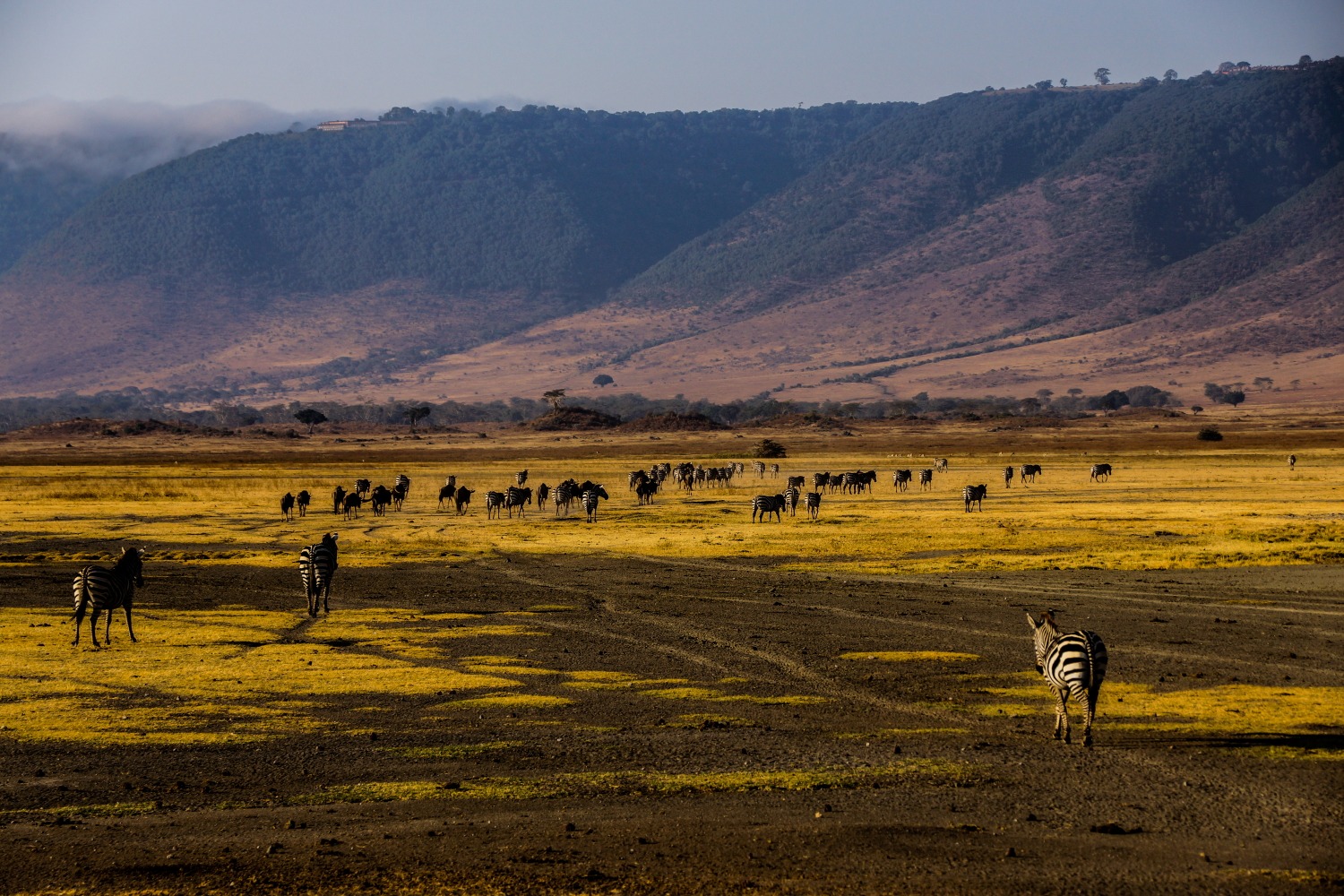
Ngorongoro Crater is one of Tanzania’s most extraordinary safari destinations, where dramatic volcanic scenery meets an exceptional concentration of wildlife in a landscape that feels almost self-contained. Descending from the crater rim into the caldera changes the experience completely. Above you are misty highlands and steep forested slopes; below lies a vast natural amphitheatre of grasslands, wetlands, woodland and Lake Magadi, with wildlife moving through the different habitats.
But Ngorongoro is more than a spectacular place to see animals. The wider Ngorongoro Conservation Area connects wildlife conservation with Maasai pastoral traditions, ancient landscapes and some of the most important archaeological evidence of human evolution in Africa. UNESCO recognises the area for both its natural and cultural significance, including the world’s largest unbroken caldera and an archaeological record extending across millions of years.
Why Visit Ngorongoro Crater
A natural amphitheatre filled with wildlife
The first thing that makes Ngorongoro different is its geography.
The crater is a vast volcanic caldera surrounded by steep walls, creating a distinctive ecosystem where large numbers of animals can be encountered within a relatively concentrated area. UNESCO describes Ngorongoro Crater as the world’s largest unbroken caldera and highlights its exceptional concentration of wildlife.
For a first-time safari traveller, this concentration can make Ngorongoro particularly rewarding. You do not necessarily need to spend several days searching across enormous landscapes before encountering interesting wildlife. A well-planned crater visit can produce a remarkable variety of sightings within a single game drive.
That does not mean every visit produces the same sightings. Wildlife is still wild, and animal movements depend on food, water, weather and the behaviour of individual species. The real advantage of Ngorongoro is the combination of habitat diversity and wildlife density.
Big Five safari experiences
Ngorongoro is one of the destinations travellers consider when they want a strong chance of seeing Africa’s iconic large mammals.
Lions are among the crater’s most visible predators, while elephants, buffalo, hippos, zebras, wildebeest and several antelope species can also be encountered. The critically important black rhinoceros is one of the conservation area’s notable species. UNESCO identifies the black rhino among the threatened species supported by the wider property.
The crater therefore works especially well for travellers who want a concentrated wildlife experience as part of a northern Tanzania safari.
The landscape is part of the experience
Ngorongoro is not simply a wildlife destination.
The descent into the crater introduces a dramatic change in elevation and scenery. The crater walls create a powerful visual frame around the landscape, while the floor contains open grasslands, woodland, wetlands and other habitats.
This matters because safari memories are often shaped by the environment around the animals.
A lion beside a vehicle is one experience. A lion resting against the backdrop of the crater walls is another.
The setting gives wildlife photography and sightseeing an additional layer that many open savanna destinations cannot reproduce in quite the same way.
A destination where nature and human history meet
The wider Ngorongoro Conservation Area carries an unusual combination of natural and cultural importance.
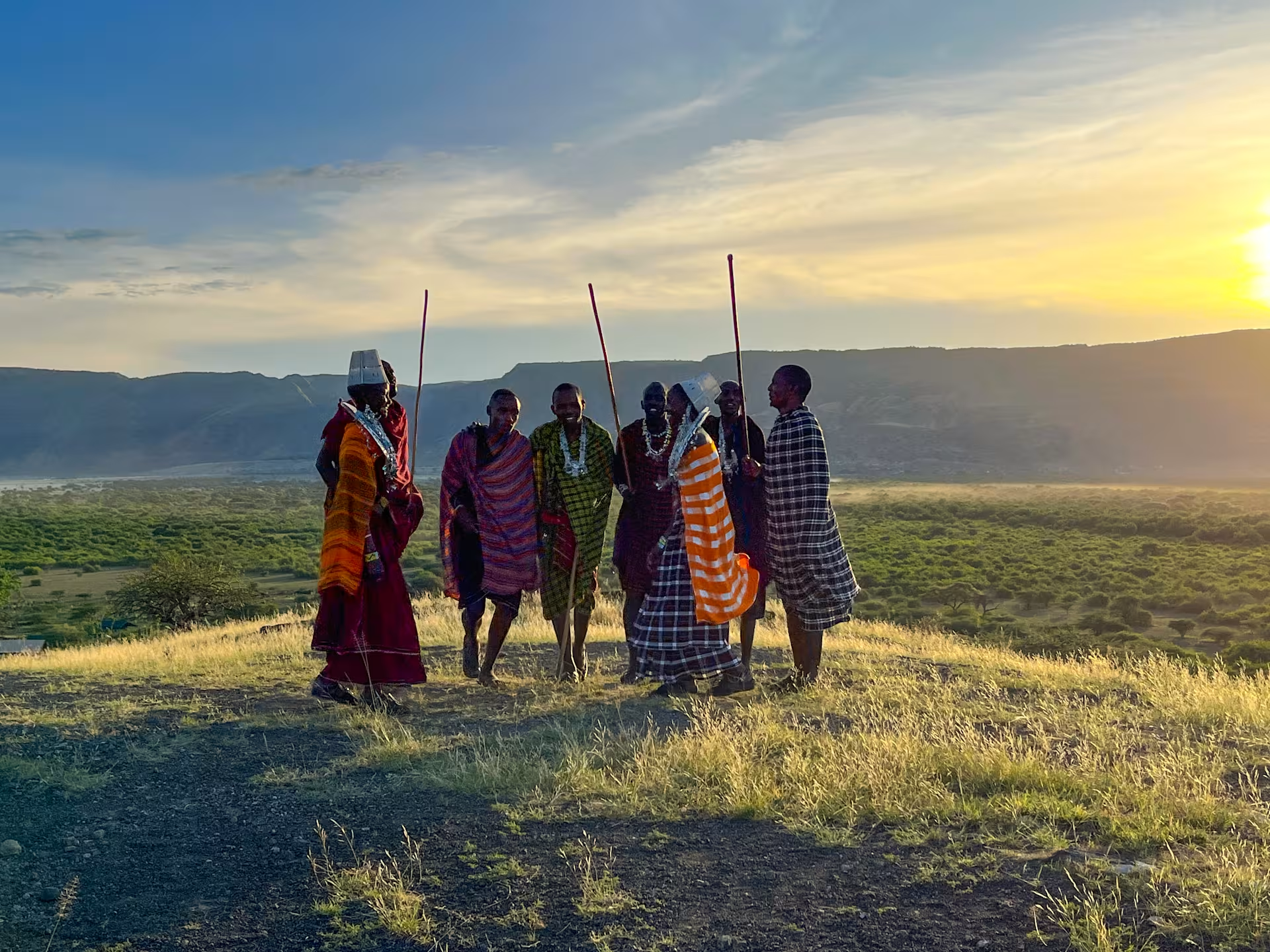
The area was established in 1959 as a multiple land use area where wildlife conservation exists alongside traditional livestock grazing by semi-nomadic Maasai communities. The conservation area also includes major archaeological landscapes such as Olduvai Gorge and Laetoli.
This gives Ngorongoro a deeper story than a conventional game viewing destination.
You are not simply visiting a crater to look for animals. You are entering a landscape shaped by volcanism, wildlife, pastoral traditions and a remarkably long human evolutionary history.
Part of the Serengeti ecosystem
Ngorongoro also makes more sense when viewed as part of the larger northern Tanzania ecosystem.
The conservation area connects with the Serengeti landscape, and the wider property supports seasonal movements of wildebeest, zebra and gazelles. UNESCO notes that the annual migration extends into the northern plains of the Ngorongoro Conservation Area.
This is one reason Ngorongoro works so naturally within a northern Tanzania safari circuit.
You can combine the crater with Serengeti, Tarangire and Lake Manyara to create a journey where each destination contributes something different rather than repeating exactly the same safari experience.
When to Visit Ngorongoro Crater
Ngorongoro can be visited throughout the year, but the experience changes with rainfall, vegetation, wildlife movements, road conditions, visibility and visitor levels.
The important question is therefore not simply:
“What is the best month to visit Ngorongoro?”
A better question is:
“What kind of Ngorongoro experience do I want?”
Dry season
The drier months are often attractive to travellers who prioritise wildlife viewing and easier safari conditions.
As vegetation becomes less dense and water becomes more concentrated in certain areas, animals can become easier to locate. Roads and general safari conditions may also be more predictable.
For first-time visitors who want a classic northern Tanzania safari, the dry season can be a particularly comfortable choice.
However, popularity is part of the equation. The periods with the most predictable safari conditions can also attract more travellers.
Green season
The wetter periods bring a different character to Ngorongoro.
The landscape becomes greener, the atmosphere can feel fresher, and the crater can take on a dramatic appearance when clouds and mist interact with the surrounding highlands.
This period can appeal strongly to photographers and travellers who care about scenery as much as wildlife density.
There is another advantage: travelling outside the busiest periods can sometimes produce a more relaxed overall safari rhythm.
The trade-off is that rain can affect road conditions and wildlife viewing patterns.
Calving and migration considerations
The wider Ngorongoro ecosystem is connected to the movements of the Serengeti migration.
The timing and location of the migration depend on rainfall and ecological conditions, so travellers should avoid treating migration as a fixed annual event that happens in exactly the same place on exactly the same date every year.
If migration is the main purpose of your trip, itinerary design becomes more important than simply choosing a month.
This is where combining Ngorongoro with the southern Serengeti can become particularly useful.
When should you avoid Ngorongoro?
There is no single period that makes Ngorongoro “bad”.
Instead, different periods involve different compromises.
If your priority is predictable game viewing, you may prefer drier conditions.
If your priority is greener scenery, fewer crowds or a different photographic atmosphere, you may deliberately choose a wetter period.
The right season is therefore the one that matches your safari priorities, not simply the month that appears most often on a generic travel calendar.
Ngorongoro Tours & Safaris
Ngorongoro is most commonly experienced as part of a northern Tanzania safari rather than as an isolated destination.
The crater can fit naturally into short safari trips as well as longer itineraries.
Ngorongoro Crater day safari
A crater-focused visit works well for travellers with limited time.
You can descend into the crater for a game drive and spend the day exploring its major habitats before ascending back to the highlands.
This format is particularly useful for travellers who want to experience Ngorongoro while continuing towards another destination.
Ngorongoro and Serengeti safari
Combining Ngorongoro with Serengeti creates a stronger contrast in safari experiences.
Ngorongoro gives you a concentrated wildlife environment surrounded by dramatic crater walls.
Serengeti gives you a much broader open ecosystem where wildlife can move across enormous distances.
The two destinations therefore complement each other.
Instead of asking which one is better, think about what each one adds to the journey.
Ngorongoro, Tarangire and Lake Manyara
A classic northern Tanzania itinerary can also combine Ngorongoro with Tarangire and Lake Manyara.
Tarangire is known for its elephants, ancient baobabs and seasonal wildlife concentrations.
Lake Manyara offers a different landscape with woodland, lake environments and escarpment scenery.
Ngorongoro then adds the volcanic caldera and exceptional wildlife concentration.
This creates a safari where every destination has a different visual and ecological identity.
Luxury Ngorongoro safari
For travellers seeking a more refined experience, accommodation around the crater rim can transform the visit.
Instead of treating Ngorongoro as a simple morning game drive, staying near the rim allows you to experience the highland atmosphere, dramatic views and cooler temperatures before and after the crater excursion.
This is particularly valuable when the journey itself is part of the luxury experience.
Family safari in Ngorongoro
Ngorongoro can be a strong choice for families because wildlife viewing can be highly rewarding without requiring endless hours of searching across open terrain.
However, the suitability of a crater visit for children depends on age, safari duration, vehicle arrangements and the wider itinerary.
The goal should not simply be to maximise the number of destinations.
A better family safari balances wildlife excitement with manageable driving times, comfortable accommodation and enough rest between activities.
Photography safari
Ngorongoro offers several photographic layers.
There is wildlife photography.
There is landscape photography.
There is environmental portraiture.
There is also the interaction between animals and the dramatic crater environment.
Early morning conditions can create particularly atmospheric scenes as light changes across the crater floor and surrounding walls.
Photographers should therefore think beyond simply finding animals. The position of the vehicle, background, direction of light and surrounding landscape can determine whether a sighting becomes an ordinary photograph or a memorable one.
Accommodation in Ngorongoro
Where you sleep can significantly change how you experience Ngorongoro.
The main decision is whether to stay around the crater rim and highlands or farther away as part of a wider safari circuit.
Crater rim accommodation
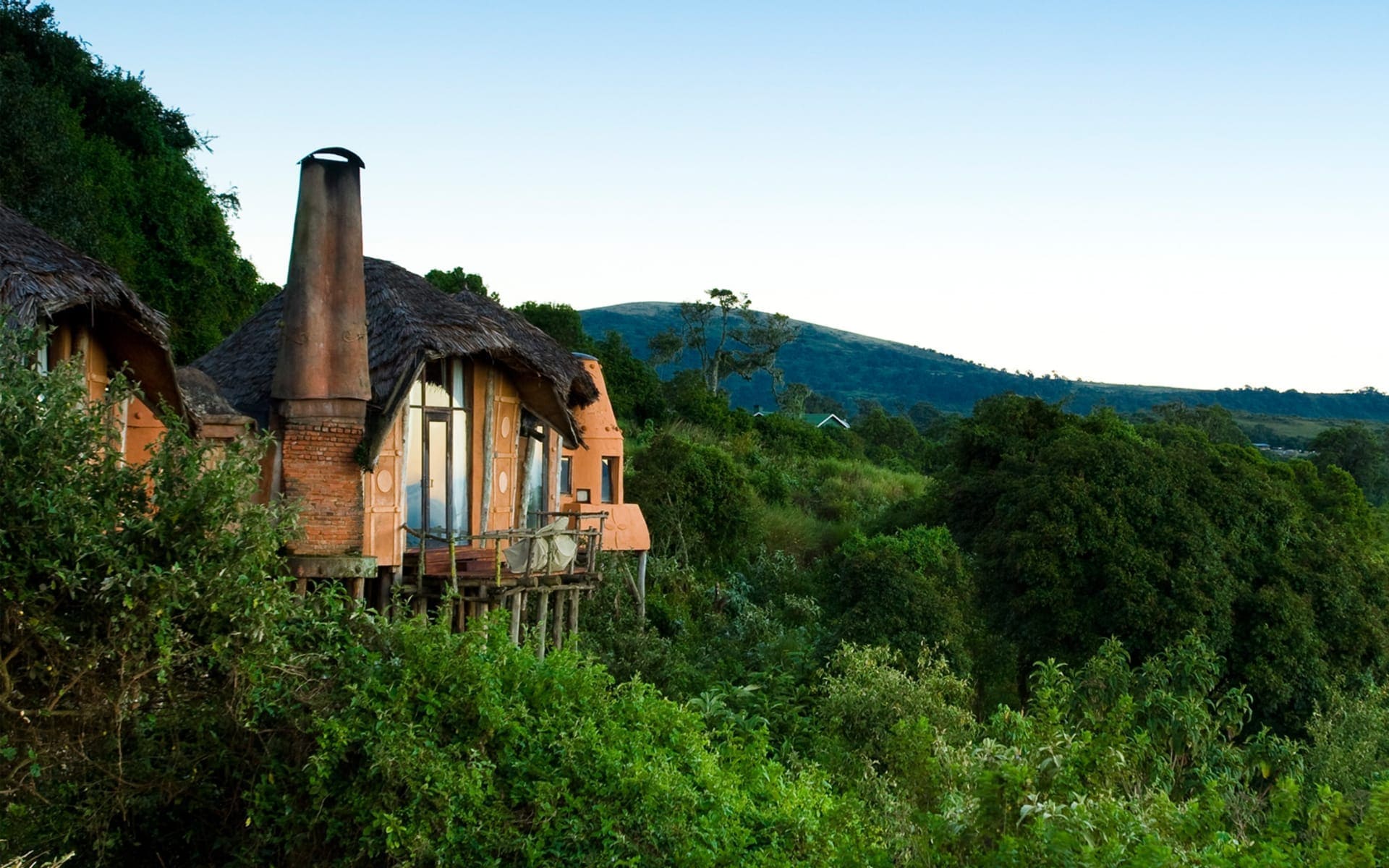
Staying around the rim provides the most immediate connection with the crater landscape.
Many travellers choose this option because of the dramatic views, highland atmosphere and convenience for an early crater descent.
The environment can also be noticeably cooler than the lower-lying safari areas, particularly in the early morning and evening.
For travellers who value atmosphere and scenery, the crater rim can be part of the destination itself rather than simply a place to sleep.
Luxury lodges
Luxury properties around Ngorongoro tend to focus on views, privacy, service, dining and the feeling of being immersed in the highland landscape.
The strongest choice depends on what you value most.
A lodge with spectacular crater views may be preferable for a honeymoon or special occasion.
A property with strong service and comfortable rooms may matter more to a family.
A smaller intimate camp can appeal to travellers who prefer privacy and a quieter atmosphere.
Mid-range and tented accommodation
Travellers do not need to choose ultra-luxury accommodation to experience Ngorongoro.
There are also comfortable tented and mid-range options that work well for travellers who want to allocate more of their budget towards the wider safari rather than accommodation alone.
The important consideration is location.
A cheaper property farther from the crater may change the timing and rhythm of the day, so accommodation should always be evaluated alongside the safari itinerary.
Choosing the right location
One of the most common planning mistakes is choosing accommodation based only on photographs or price.
Instead, consider:
- Distance and access to the crater entrance
- Morning departure timing
- Crater views
- Highland temperatures
- Room style and privacy
- Dining arrangements
- Family suitability
- Overall safari route
- How much time you want to spend driving
The best accommodation is not necessarily the most expensive one.
It is the one that makes the rest of your safari easier, more comfortable and more memorable.
Travel Advice for Ngorongoro Crater
Plan the crater visit around your entire safari
Ngorongoro should rarely be planned in isolation.
If you are travelling through northern Tanzania, think about how the crater connects with the destinations before and after it.
For example, a route from Arusha through Tarangire, Ngorongoro and Serengeti creates a logical progression through different ecosystems.
This also helps prevent unnecessary backtracking.
Prepare for cool mornings
Ngorongoro’s high elevation means temperatures around the rim can feel surprisingly cool, especially early in the morning.
Pack layers rather than relying only on warm-weather safari clothing.
A light fleece or jacket can make a significant difference before descending into the crater.
Bring the right safari essentials
Useful items include:
- Binoculars
- Camera and spare batteries
- Power bank
- Sunscreen
- Sunglasses
- Hat
- Light warm layers
- Comfortable closed shoes
- Reusable water bottle
- Small day bag
A good pair of binoculars is especially valuable because not every important sighting will be close to the vehicle.
Expect changing weather
Highland weather can change quickly.
Cloud, mist, sunshine and rain can appear within the same day, especially around the crater rim.
This is part of the character of the destination rather than something that should automatically be treated as a problem.
Respect wildlife and conservation rules
Ngorongoro is a protected landscape with exceptional natural and cultural importance.
UNESCO identifies tourism pressure, vehicle traffic, waste management, disturbance to wildlife and invasive species among the management concerns that require careful attention.
That makes responsible safari behaviour especially important.
Stay inside designated areas.
Do not attempt to attract wildlife.
Keep noise low around animals.
Follow the instructions of your guide and conservation authorities.
The goal is not simply to get closer to wildlife. It is to experience it without damaging the environment that makes the experience possible.
Understand the difference between Ngorongoro Crater and Ngorongoro Conservation Area
This distinction is important when planning a trip.
Ngorongoro Crater is the famous volcanic caldera and the area most visitors associate with crater game drives.
Ngorongoro Conservation Area is much larger.
The wider conservation area covers highland plains, forests, savanna, archaeological landscapes and other ecosystems. UNESCO lists the property at 809,440 hectares and recognises both its natural and cultural significance.
So when someone says “Ngorongoro”, they may be referring specifically to the crater or to the much larger conservation area.
Knowing the difference helps you understand why attractions such as Olduvai Gorge, Laetoli and the wider highlands belong to the Ngorongoro story even though they are not located on the crater floor.
Give yourself enough time
A rushed Ngorongoro experience can still be spectacular, but it can also reduce the destination to a checklist.
If your itinerary allows it, give yourself enough time to appreciate the crater, the surrounding highlands and the wider cultural and ecological story.
The crater is visually dramatic enough to impress almost immediately.
Its deeper value becomes clearer when you understand how geology, wildlife, human history and conservation intersect within the same landscape.
Why Ngorongoro Belongs on a Tanzania Safari
Ngorongoro is unusual because several powerful travel experiences converge in one destination.
You get dramatic volcanic scenery.
You get concentrated wildlife.
You get the possibility of seeing some of Tanzania’s most iconic species.
You get a landscape connected to the Serengeti ecosystem.
You get access to a region with extraordinary archaeological significance.
And you get to experience a place where conservation and human communities exist within the same broader landscape.
That combination is what makes Ngorongoro difficult to compare directly with an ordinary national park.
Serengeti may give you the scale.
Tarangire may give you elephants and baobabs.
Lake Manyara may give you a completely different ecological setting.
But Ngorongoro gives you something more enclosed and dramatic: a volcanic world where the landscape itself becomes part of the safari.
The real reason to visit Ngorongoro
Many travellers arrive at Ngorongoro expecting to see animals.
They leave remembering the crater itself.
The morning descent.
The changing light across the caldera.
A lion resting in the grass.
A rhino appearing in the distance.
Buffalo moving through the plains.
Flamingos or other waterbirds around the wetlands.
The highland mist hanging over the crater rim.
These moments are difficult to reduce to a checklist because the real attraction is the relationship between wildlife and landscape.
Ngorongoro does not simply show you Africa.
It gives you a place where geology, wildlife and human history can be experienced within the same journey.
And that is why, for many travellers exploring northern Tanzania, the crater becomes more than another stop on the itinerary. It becomes one of the defining memories of the safari.