
Mahale National Park is one of Tanzania’s most remote and distinctive wilderness destinations, where forested mountains rise directly behind the white shores of Lake Tanganyika. The park is best known for its wild chimpanzees, but its real character comes from the combination of chimpanzee trekking, tropical forest, mountain scenery, freshwater beaches, and the extraordinary sense of isolation that surrounds the entire experience.
Unlike a conventional safari destination where wildlife viewing happens from a vehicle, Mahale changes the rhythm completely. You walk through the forest in search of chimpanzees, return toward the lake, and can spend the afternoon swimming, boating, hiking, or simply watching the mountains reflect across the water. It is this meeting of primate wilderness and Lake Tanganyika that makes Mahale one of Tanzania’s most unusual safari destinations.
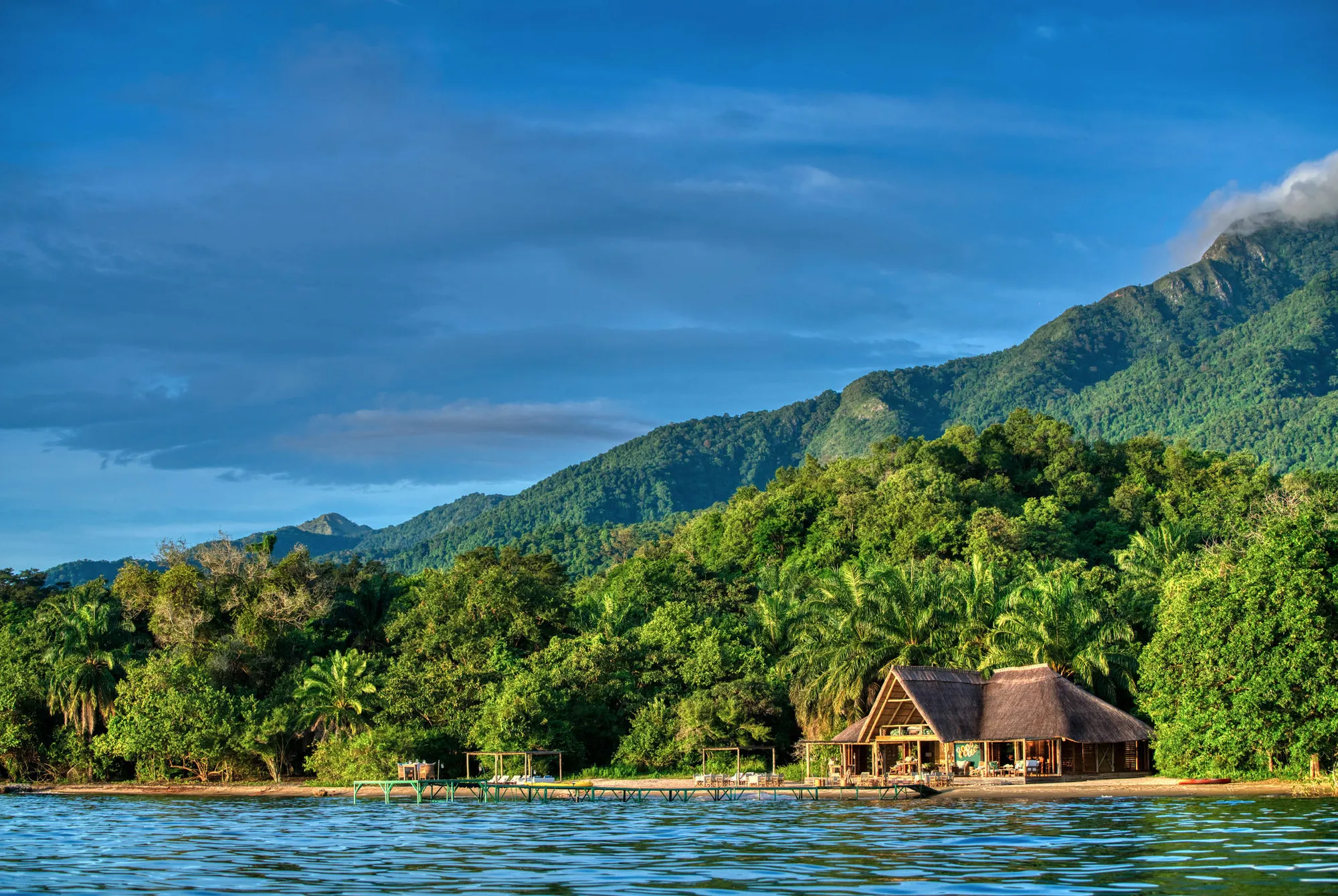
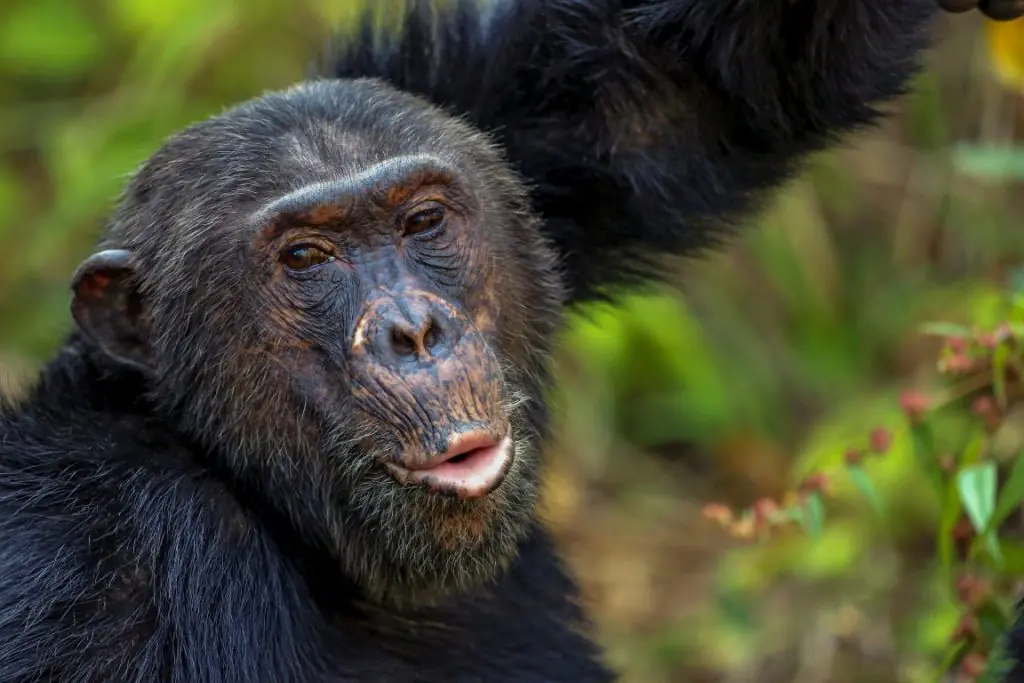
The primary reason to visit Mahale is the opportunity to track habituated wild chimpanzees on foot. The park is home to more than 1,000 chimpanzees, including the famous M Group, which has been studied continuously for decades. TANAPA describes the experience as an intimate encounter within the park’s dense forest and mountain environment.
The experience is very different from seeing primates in a zoo or watching animals from a safari vehicle. You enter their environment and follow the forest as it reveals itself gradually through calls, movement in the canopy, broken branches, and the sounds of other animals around you.
That uncertainty is part of the attraction. You are not simply travelling toward a predetermined viewing point. You are entering a living ecosystem where the chimpanzees decide where the encounter happens.
Mahale’s landscape is one of its strongest attractions. Dense forest climbs the Mahale Mountains while the eastern side of the park meets the deep blue waters of Lake Tanganyika. White sandy beaches create an unusual transition between tropical forest and freshwater lake.
The result is a destination that feels more like a remote expedition than a conventional national park visit.
In the morning, you can be walking beneath forest canopy looking for chimpanzees. Later, you can be standing on a quiet beach with the mountains behind you and Lake Tanganyika stretching toward the horizon.
Mahale is particularly rewarding for travellers who already know the classic northern safari circuit and want a different dimension of Tanzania.
There are no conventional vehicle based game drives at the centre of the experience. Instead, the destination revolves around walking, chimpanzee tracking, forest exploration, hiking, swimming, boating, fishing, and time beside the lake.
This makes Mahale especially attractive to travellers who value immersion over volume. You may see fewer species than on a major savannah safari, but the experiences are more concentrated and personal.
Lake Tanganyika is not simply a scenic backdrop. It becomes part of the safari itself.
Swimming, snorkelling, boating, fishing and relaxing along the shoreline can complement chimpanzee trekking, creating a day that moves naturally between forest and water. The lake is also recognised for its exceptional freshwater biodiversity, including hundreds of endemic cichlid species.
For travellers who enjoy combining wildlife with relaxation, this is one of Mahale’s greatest advantages.
Part of Mahale’s appeal comes from its distance from the heavily travelled safari routes. The park has no conventional road network carrying safari vehicles through the forest, and access involves air and/or boat logistics depending on the itinerary.
That extra effort changes the psychology of the journey.
You do not simply arrive at Mahale. You gradually leave the familiar world behind.
For some travellers, that is exactly the point.
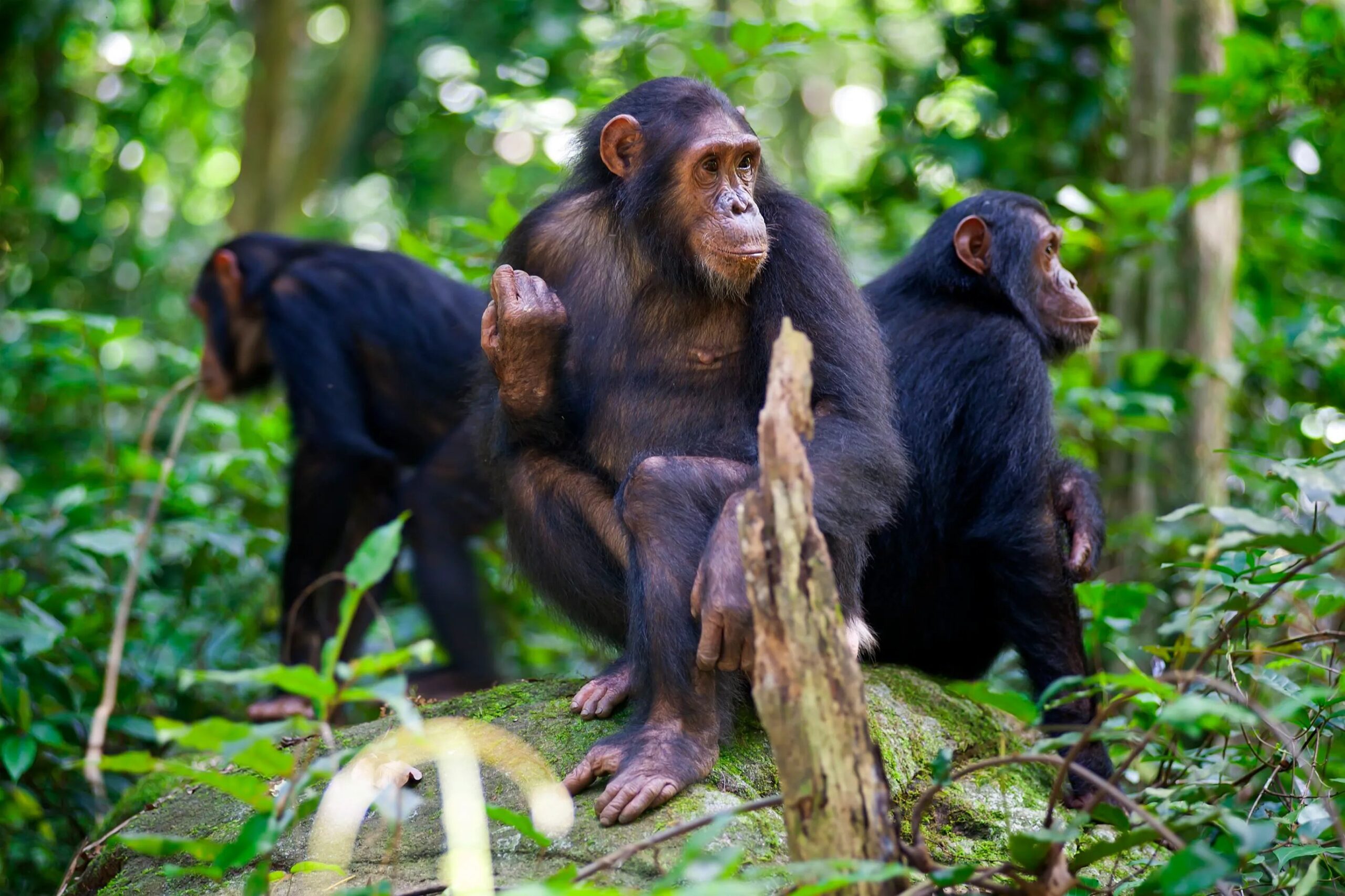
Mahale can be visited throughout much of the year, but the dry season from around May to October is generally considered the most favourable period for combining chimpanzee trekking, hiking and lake activities. During the drier months, forest trails are typically easier to walk, while sunshine makes the lake and beaches particularly appealing.
This is the classic period for a Mahale safari.
The weather is generally drier, visibility is better, and conditions are favourable for trekking and outdoor activities. August to October can be particularly rewarding for chimpanzee tracking because the animals are more likely to remain on lower slopes closer to the lakeshore, making forest encounters easier than during wetter periods.
If your priority is to combine chimpanzee trekking with hiking, swimming and clear lake views, this is the safest general window to consider.
The wetter months bring a different character to Mahale.
Rainfall increases and humidity becomes higher, while chimpanzees may move deeper or higher into the forest in search of food. This can make tracking more physically demanding and less predictable.
However, the wet season should not automatically be dismissed.
The forest becomes intensely green, the landscape feels even more tropical, and travellers who enjoy quieter conditions may find the atmosphere especially rewarding. The important consideration is that seasonal accessibility and camp operating periods can vary, so current transport and accommodation schedules should be confirmed before booking.
If chimpanzees are the central reason for your visit, prioritise the drier part of the year.
If you want a broader wilderness experience and are comfortable with more variable weather, the shoulder or wetter months can offer a different perspective.
The key is not simply asking, “What is the best month for Mahale?”
A better question is:
What kind of Mahale experience do you want?
That distinction can make a much bigger difference to your trip.
A Mahale safari is usually built around chimpanzee trekking, but the strongest itineraries allow enough time for the destination to reveal itself beyond the main activity.
This is the signature Mahale experience.
You enter the forest with trained guides and search for habituated chimpanzee communities. The trek can vary in duration and difficulty because the animals are free to move through their natural habitat.
The reward is not simply seeing a chimpanzee. It is observing behaviour in context: social interactions, feeding, communication, movement through the forest and relationships within the group.
The Mahale Mountains provide opportunities for guided forest walks and longer hikes. The terrain can become demanding, particularly when climbing toward higher elevations, so hiking should be matched to your fitness level and itinerary.
For experienced hikers, the mountains provide a completely different perspective of the park, with forested slopes and views toward Lake Tanganyika.
Mount Nkungwe, the highest peak in the Mahale range, reaches about 2,462 metres and is one of the major hiking objectives in the area.
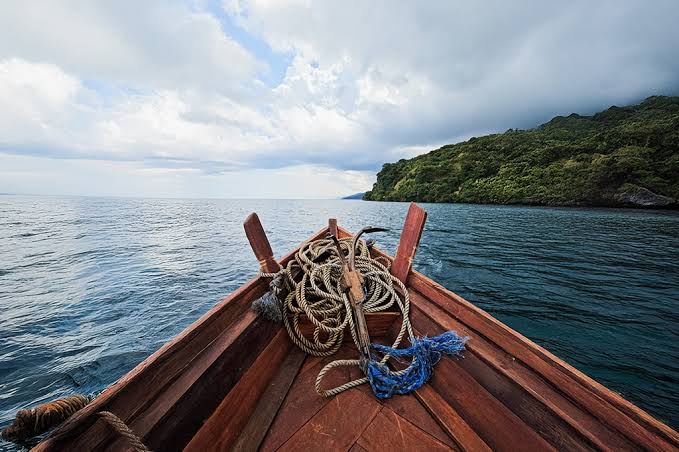
A Mahale itinerary can also move onto the water.
Depending on the camp and current operating arrangements, activities may include swimming, snorkelling, kayaking, boating and fishing. The combination is especially appealing after a forest trek because the lake provides a natural transition from physical exploration to relaxation.
Mahale is often combined with Katavi National Park, creating a powerful western Tanzania safari circuit.
The two destinations complement each other rather than duplicate one another. Mahale brings chimpanzees, mountains and Lake Tanganyika, while Katavi adds a more traditional large mammal safari environment.
This combination works particularly well for travellers who want to experience two very different sides of remote western Tanzania within one journey. TANAPA materials specifically identify Mahale and Katavi as a practical safari combination.
Mahale is naturally suited to private or tailor made travel because access, accommodation, boat transfers and activities need to be coordinated carefully.
A well designed itinerary should not simply ask how many nights you can fit into the park. It should consider how much time you want for chimpanzee trekking, lake activities, hiking and recovery between excursions.
For a destination this remote, good itinerary design is part of the experience.
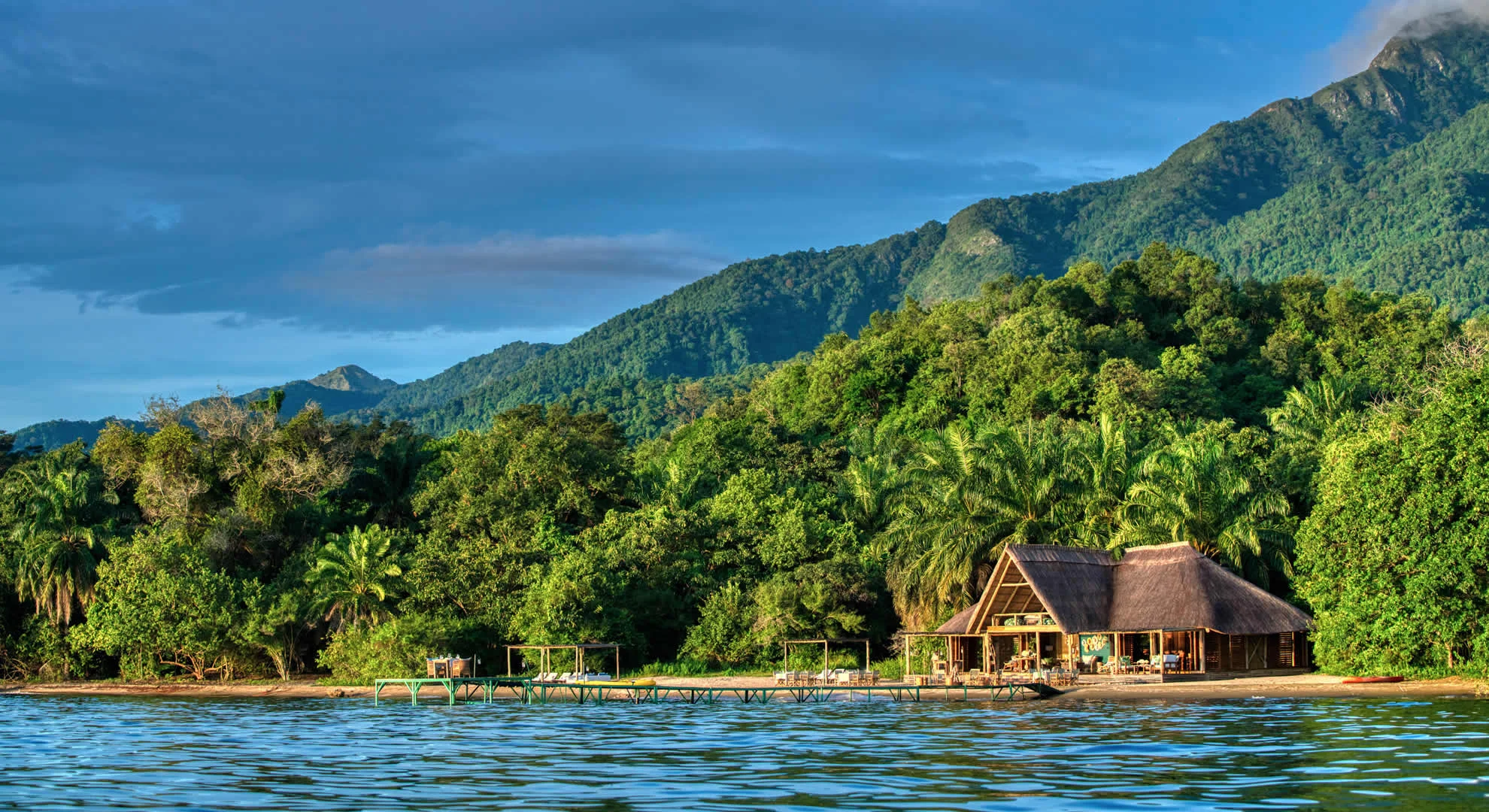
Accommodation in Mahale is part of what makes the destination distinctive. Instead of a large collection of conventional hotels, the park and its surrounding wilderness experience centre around bandas, camps and lakeside lodges designed to keep visitors close to the forest and Lake Tanganyika. TANAPA information lists park bandas alongside permanent tented camps and lodges.
For travellers looking for a simpler and more budget conscious stay, TANAPA operates self contained tourist bandas within Mahale. They provide a practical base for experiencing the park without the level of luxury associated with private safari camps.
These are particularly relevant for travellers who place greater value on access to the wilderness than on elaborate accommodation facilities.
Private camps provide a more immersive and comfortable version of the Mahale experience.
Properties such as Greystoke Mahale are positioned along the lakeshore beneath the forested mountains, with accommodation designed around the natural setting rather than separated from it.
Kungwe Beach Lodge is another established option, with tented bandas positioned along the Lake Tanganyika shoreline and designed around the surrounding forest and beach environment.
The most important question is not simply whether a property is luxury or budget.
Ask what kind of experience you want when you return from the forest.
Do you want simplicity, privacy, a strong lakeside setting, full safari services, or a more intimate camp atmosphere?
In Mahale, accommodation can influence the rhythm of the entire trip because the wilderness begins immediately outside your room.
Mahale is remote, so transport should be arranged as part of the safari rather than treated as a simple transfer between destinations.
Access options include flights and boat connections, with schedules varying by season and operator. TANAPA information also notes road and water access options, although the final logistics into the park depend on the route and current operating arrangements.
Always confirm current flight, boat and camp schedules before finalising your itinerary.
Mahale is not a destination where a rushed overnight visit makes much sense.
The journey itself requires planning, and the chimpanzee experience depends on wildlife movement rather than a fixed timetable. Giving yourself several nights creates space for trekking, lake activities and the possibility of adapting your plans around conditions.
Chimpanzee tracking involves walking through natural forest terrain.
Comfortable walking shoes, lightweight clothing, sun protection, insect protection, a reusable water bottle and binoculars can make the experience easier. A small daypack is also useful for carrying essentials during trekking.
Your physical preparation should match the activities you choose. A relaxed chimpanzee trek is different from a demanding mountain hike.
Chimpanzee trekking is not simply an opportunity to get close to wildlife. It is a conservation experience.
Follow your guide’s instructions, maintain the required distance from animals, avoid sudden movements and never attempt to attract a chimpanzee’s attention for a photograph.
The objective is to observe natural behaviour without changing it.
Mahale rewards patience.
The most memorable moment may not be the clearest photograph. It could be hearing chimpanzees calling through the forest, watching a group move through the canopy, stepping from the forest onto a quiet beach, or seeing the mountains disappear into evening light above Lake Tanganyika.
That is why Mahale works best when you approach it as an experience rather than a checklist.
Chimpanzee trekking can be physically demanding, particularly when animals move deeper into the forest.
Plan space in your itinerary for swimming, relaxing beside the lake, boating or simply enjoying the camp. This creates a better rhythm and allows you to experience Mahale as both an adventure destination and a place of profound natural quiet.
If your idea of a Tanzanian safari is built entirely around game drives, Mahale may initially feel unfamiliar.
That is exactly what makes it valuable.
Here, the forest is explored on foot, the lake becomes part of the wildlife experience, and the mountains create another layer of adventure. You are not just watching Tanzania’s wilderness from a vehicle. You are moving through it.
Mahale is difficult to compare with Tanzania’s more famous safari parks because its appeal is not based on one landscape or one species alone.
It is the combination.
Wild chimpanzees live within ancient forest. Forested mountains rise behind white beaches. Lake Tanganyika stretches beyond the shoreline. Boats replace conventional safari vehicles in parts of the journey. And the remoteness creates a sense of separation that is increasingly difficult to find in heavily visited destinations.
For the traveller who wants a safari with more depth, Mahale offers something rare: the feeling that the destination itself is part of the adventure.
You come for the chimpanzees.
You stay for the forest, the mountains, the lake and the silence.
And you leave with the sense that you experienced a side of Tanzania that most travellers never reach.