
Arusha National Park is one of Tanzania’s most varied safari destinations, bringing together volcanic landscapes, montane forests, open grasslands, crater scenery and alkaline lakes within a relatively compact area. Located close to Arusha, the park is especially rewarding for travelers who want more than a traditional game drive. Here, a single visit can combine wildlife viewing, walking, canoeing, birdwatching and the dramatic mountain landscape of Mount Meru.
What makes Arusha National Park particularly interesting is the way its landscapes change with altitude. The park rises from lower forest and grassland environments toward Mount Meru, Tanzania’s second-highest mountain at 4,565 metres. Along the way, you encounter the Ngurdoto Crater, the Momella Lakes and a remarkable range of habitats shaped by the volcanic history of the region.
Arusha National Park is ideal for travelers who want a more intimate experience of northern Tanzania. It may not be the place you choose primarily for the highest concentration of predators, but that is precisely where its character becomes clear. The park offers a different kind of safari, one built around landscape variety, mountain scenery, primates, birds and the possibility of experiencing nature beyond the safari vehicle.
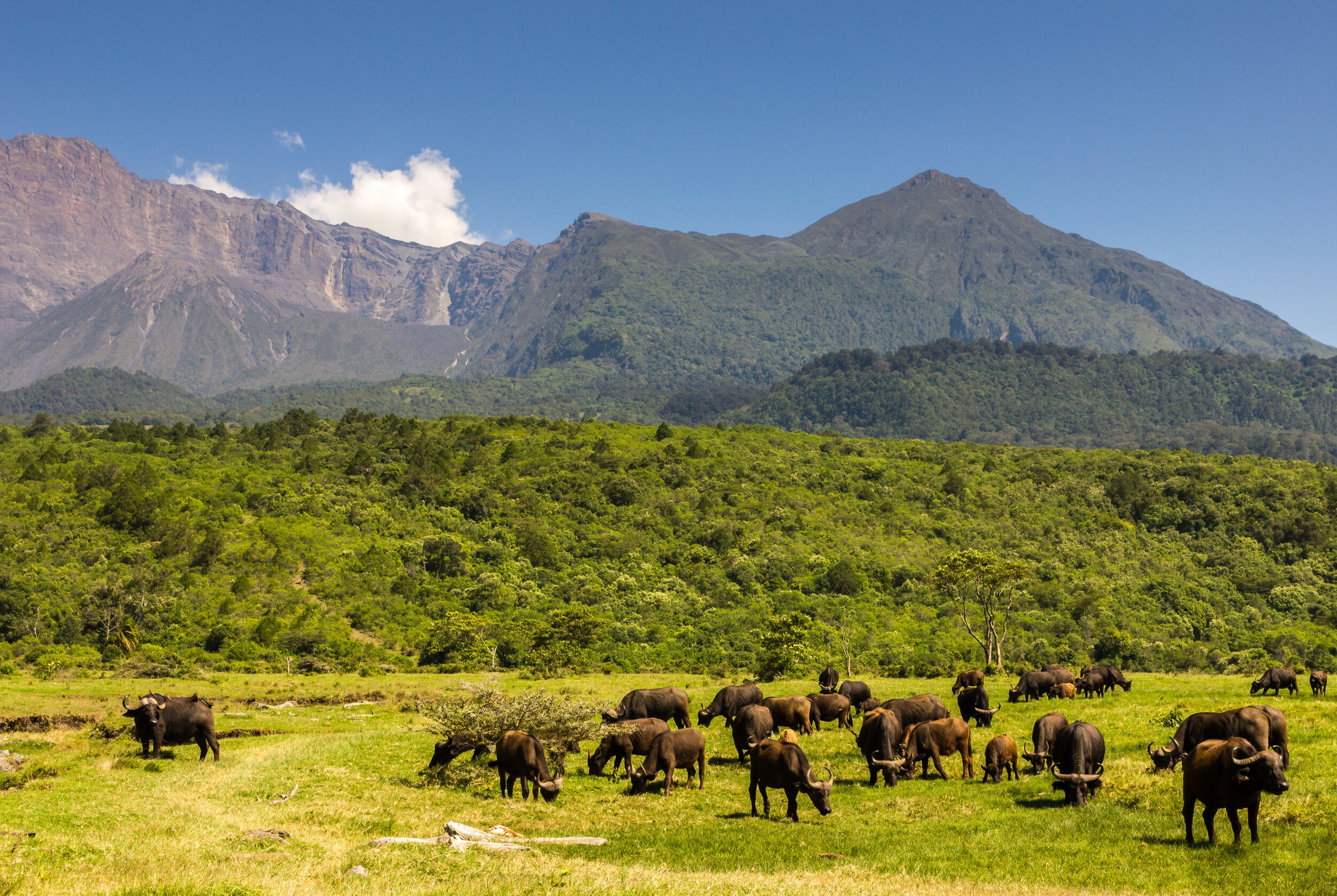
Mount Meru dominates the park and gives the landscape much of its identity. Rising to 4,565 metres, it is Tanzania’s second-highest mountain and one of East Africa’s most visually striking volcanic peaks. Its enormous crater and steep inner walls reveal the geological forces that shaped this part of northern Tanzania.
For trekkers, Mount Meru is an adventure in its own right. For safari travelers, it provides something equally valuable: a dramatic natural backdrop that changes the feeling of the entire park.
Ngurdoto Crater is one of the park’s defining landmarks. The volcanic caldera creates a striking enclosed landscape where forested crater walls surround a greener interior with wetland and grazing areas.
From the viewpoints around the crater, you can appreciate how geology, water and wildlife interact in one compact ecosystem. TANAPA describes the crater as an important wildlife habitat, particularly for buffaloes, supported by permanent water and grazing areas.
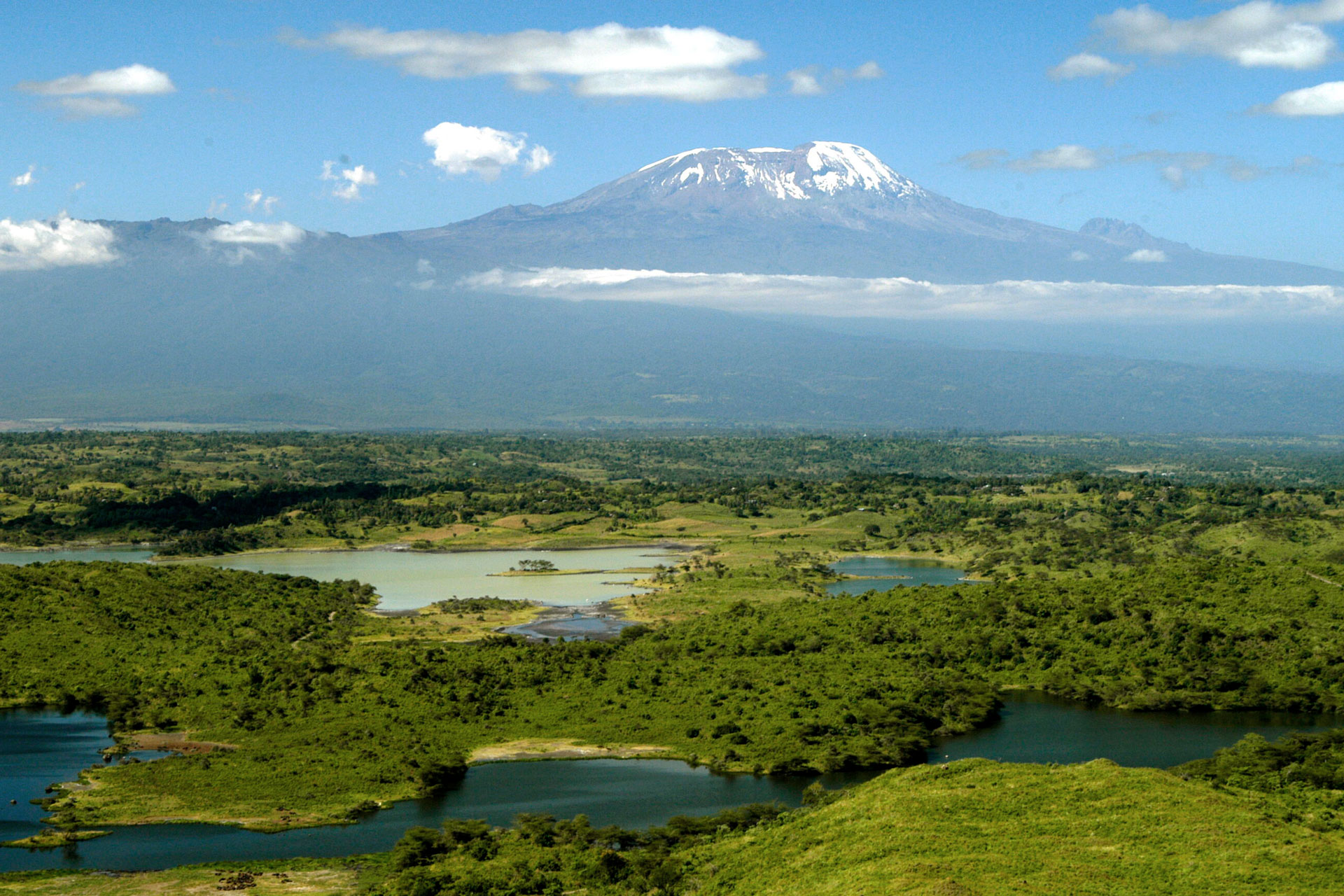
The Momella Lakes add another dimension to the park. These alkaline lakes sit within a volcanic landscape and support a variety of waterbirds, making the area particularly attractive to photographers and birdwatchers.
The lakes are also important because their different mineral compositions influence algae growth and contribute to differences in water colour. Some sections support hippos and aquatic birds, while the surrounding landscape provides opportunities to see larger animals such as giraffes and buffaloes.
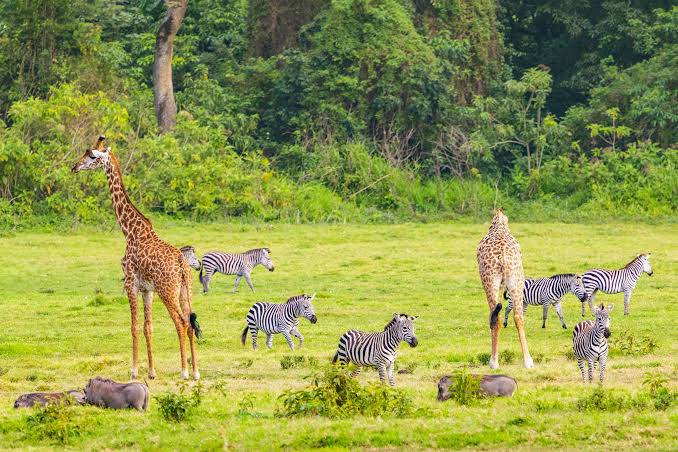
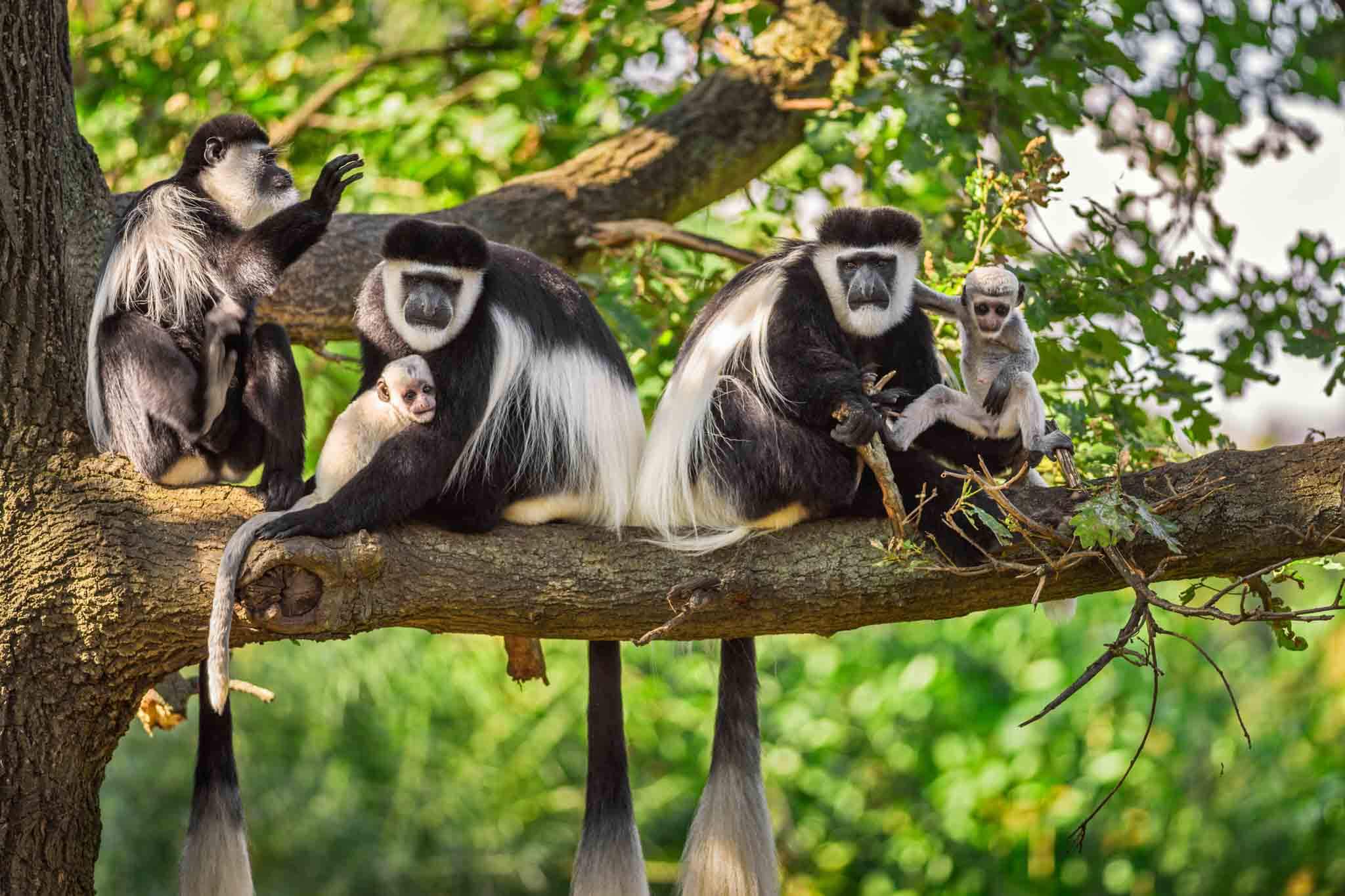
Arusha National Park is home to wildlife including giraffes, buffaloes, zebras, warthogs, waterbuck, hippos and primates such as black-and-white colobus monkeys. The park’s habitat diversity means that wildlife viewing is closely connected to the landscape you are exploring.
This is not a destination where every visitor should arrive expecting the same predator encounters associated with the Serengeti. Instead, Arusha rewards travelers who appreciate biodiversity, scenery and the opportunity to experience wildlife in a quieter setting.
One of the park’s strongest advantages is the opportunity for guided walking experiences. Instead of observing everything through a vehicle window, you can experience the forest, grassland and lake environments at human pace under the appropriate ranger guidance.
That changes the safari completely. You notice tracks, bird calls, vegetation, insects, changing terrain and smaller details that are easy to overlook from a vehicle.
Arusha National Park covers approximately 552 square kilometres, yet its landscapes range from forest and grassland to crater environments and the high-altitude ecosystems of Mount Meru.
This makes it particularly useful for travelers with limited time. You do not necessarily need several days to appreciate the park, although staying longer allows you to experience more of its activities and landscapes.
Arusha National Park can be visited throughout much of the year, but the ideal timing depends on what you want from the experience.
The dry season is generally attractive for travelers who prioritize clearer conditions, comfortable safari weather and mountain views. Wildlife can also become easier to observe as vegetation becomes less dense and animals concentrate around available water.
For travelers combining Arusha National Park with a longer northern Tanzania safari, this period can work particularly well because it aligns with the broader dry-season travel window.
The period from December into March can be especially rewarding for birdwatchers and travelers who enjoy greener scenery. Migratory birds add seasonal interest around the lakes and wetlands, while the vegetation can give the park a fresher and more vibrant appearance.
This period can also appeal to photographers looking for dramatic skies, green landscapes and strong contrasts between the volcanic terrain and vegetation.
The long rains bring wetter conditions, so trails and roads can become more challenging depending on the weather. However, the landscape becomes exceptionally green, and travelers who prefer quieter conditions may find this period rewarding.
The important point is that there is no single “best” month for everyone. The right time depends on whether your priority is wildlife viewing, mountain trekking, birdwatching, photography, lower visitor pressure or simply fitting Arusha National Park naturally into a larger Tanzania itinerary.
Arusha National Park works particularly well as a day safari, but it can also form part of a longer northern Tanzania itinerary. TANAPA highlights game viewing, walking, canoeing, birdwatching and mountain activities among the experiences available in the park.
A day trip is one of the easiest ways to experience the park, especially if you are staying in Arusha before or after a longer safari.
A well-planned day can combine several environments rather than focusing only on game driving. Depending on the itinerary and current park conditions, you may explore the Momella Lakes, view Ngurdoto Crater, look for wildlife and include a guided walking experience.
The advantage is efficiency. You can experience a remarkably diverse protected area without adding several nights to your itinerary.
Walking gives Arusha National Park a distinctive character.
With appropriate ranger guidance, travelers can explore selected areas on foot and experience the environment at a much more intimate level. The focus shifts from simply counting animals to understanding the ecosystem around you.
You begin noticing how a landscape sounds, smells and moves. A bird call becomes part of the experience. Tracks become clues. The forest becomes something you enter rather than something you merely drive through.
Canoeing on the Momella Lakes provides a different perspective of the park. Instead of viewing the lakes from land or from a safari vehicle, you experience the water environment directly.
The lakes are important habitats for waterbirds and can also bring you into close visual contact with the surrounding volcanic landscape. TANAPA specifically identifies canoeing and birdwatching around Momella Lakes among the park’s experiences.
For travelers looking for a serious physical challenge, Mount Meru offers a completely different experience from a conventional safari.
The mountain reaches 4,565 metres and passes through changing vegetation zones as altitude increases. Trekking therefore becomes a journey through multiple ecological environments rather than simply a climb toward a summit.
Mount Meru is also commonly considered a useful acclimatization option for travelers planning to climb Mount Kilimanjaro, although the suitability of this approach depends on the individual’s trekking plan and physical preparation.
Arusha National Park is particularly appealing to photographers and birdwatchers because of the contrast between its lakes, forests, open landscapes and mountain environments.
Momella Lakes provide important habitat for waterbirds, while the forested areas support a different range of species. The volcanic backdrop adds another photographic layer that is difficult to reproduce elsewhere in the northern safari circuit.
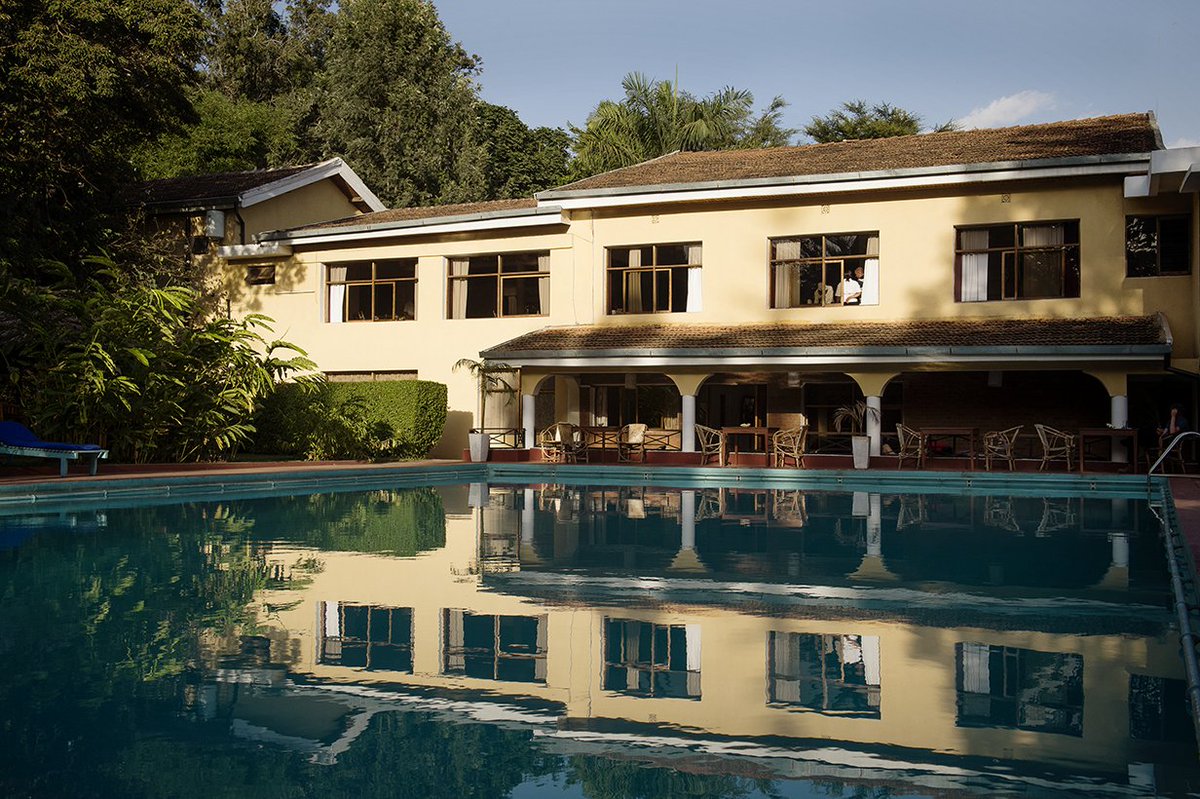
Accommodation around Arusha National Park ranges from park-managed camping facilities to lodges and camps in the wider Arusha and Mount Meru area.
Your choice should depend on the type of experience you want rather than simply the room category.
TANAPA provides accommodation options within its national parks, including camping and other park-based facilities. Availability, booking conditions and facility types can vary, so it is important to confirm current options before traveling.
Staying closer to the park can make sense if you want an early start, a multi-day experience or a Mount Meru trekking itinerary.
For travelers doing a day safari, staying in Arusha is often the simplest option. The park is close enough to the city to make a day visit practical, and this allows you to combine the national park with other experiences around Arusha.
This option works particularly well for travelers whose broader itinerary already includes Serengeti, Ngorongoro, Tarangire or Kilimanjaro.
Think about your itinerary first.
If you are visiting for a day safari, prioritize convenience and easy access to the park. If you are trekking Mount Meru, prioritize proximity to your starting arrangements and the logistics of your mountain itinerary. If your goal is a slower nature experience, an accommodation option closer to the park can help you spend more time within the landscape.
The best accommodation is therefore not necessarily the most luxurious one. It is the one that reduces unnecessary movement and supports the experience you actually came to Tanzania for.
Do not treat Arusha National Park as simply another game-drive destination.
If your priority is Mount Meru, your itinerary needs to be built around the trek. If your priority is wildlife and scenery, a day safari may be enough. If you are interested in walking or canoeing, confirm availability and operational arrangements in advance.
Because the park is relatively compact, it is tempting to rush through it. That can be a mistake.
The real value of Arusha National Park lies in the transition between environments. Give yourself enough time to appreciate the forest, lakes, crater scenery and wildlife rather than trying to collect every attraction as quickly as possible.
Weather can change significantly with altitude and time of day, particularly around Mount Meru.
For a normal park visit, comfortable walking shoes, sun protection, a light layer, water and weather-appropriate clothing are useful. For mountain trekking, you need substantially more specialized clothing and equipment because temperatures and conditions change as you climb.
Wild animals remain wild even when they appear accustomed to safari vehicles.
Follow your guide and ranger’s instructions, maintain appropriate distances, avoid feeding animals and never leave designated areas without authorization. Walking experiences require particular attention to ranger instructions because the experience places you closer to wildlife than a conventional game drive.
Park fees and accommodation charges can change, so use the current TANAPA tariff and booking information when planning your trip rather than relying on old travel guides. TANAPA’s current tariff page lists Arusha National Park separately and provides the applicable visitor categories and charges.
The park works particularly well as part of a northern Tanzania itinerary.
You can visit it before a longer safari, use it as a gentler introduction to Tanzania’s wildlife, or combine it with a Mount Meru trekking experience. Its location near Arusha also makes it useful when you want to fill a travel day without committing to a long transfer.
The deeper value of Arusha National Park is not that it tries to compete with Serengeti or Ngorongoro. It offers something different.
It gives you volcanic landscapes, mountain air, forests, lakes, wildlife and the possibility of walking through nature at a human pace, all within one destination.
Arusha National Park is the kind of place that becomes more interesting the slower you look at it. At first, you see Mount Meru, the crater and the lakes. Then you start noticing the relationship between them: volcanic history shaping the land, water supporting wildlife, forests changing with altitude and people moving through the landscape with a different sense of scale.
That is what makes this park worth adding to a Tanzania itinerary. You are not simply coming to see animals. You are coming to experience how an entire ecosystem fits together.