
Bagamoyo is one of Tanzania’s most atmospheric coastal destinations, where Indian Ocean beaches, Swahili culture, colonial-era history, ancient trade routes, and living local traditions meet in one compact historic town. Located north of Dar es Salaam along the Tanzanian coast, it offers a different kind of travel experience from the country’s famous wildlife parks and island resorts.
What makes Bagamoyo particularly interesting is the way its past remains visible in the present. You can walk through historic streets, visit old buildings and cultural sites, explore coastal landscapes, and then slow down beside the Indian Ocean. For travellers interested in history, culture, photography, heritage, and quieter coastal experiences, Bagamoyo provides a side of Tanzania that is easy to miss when an itinerary focuses only on safari and beaches.
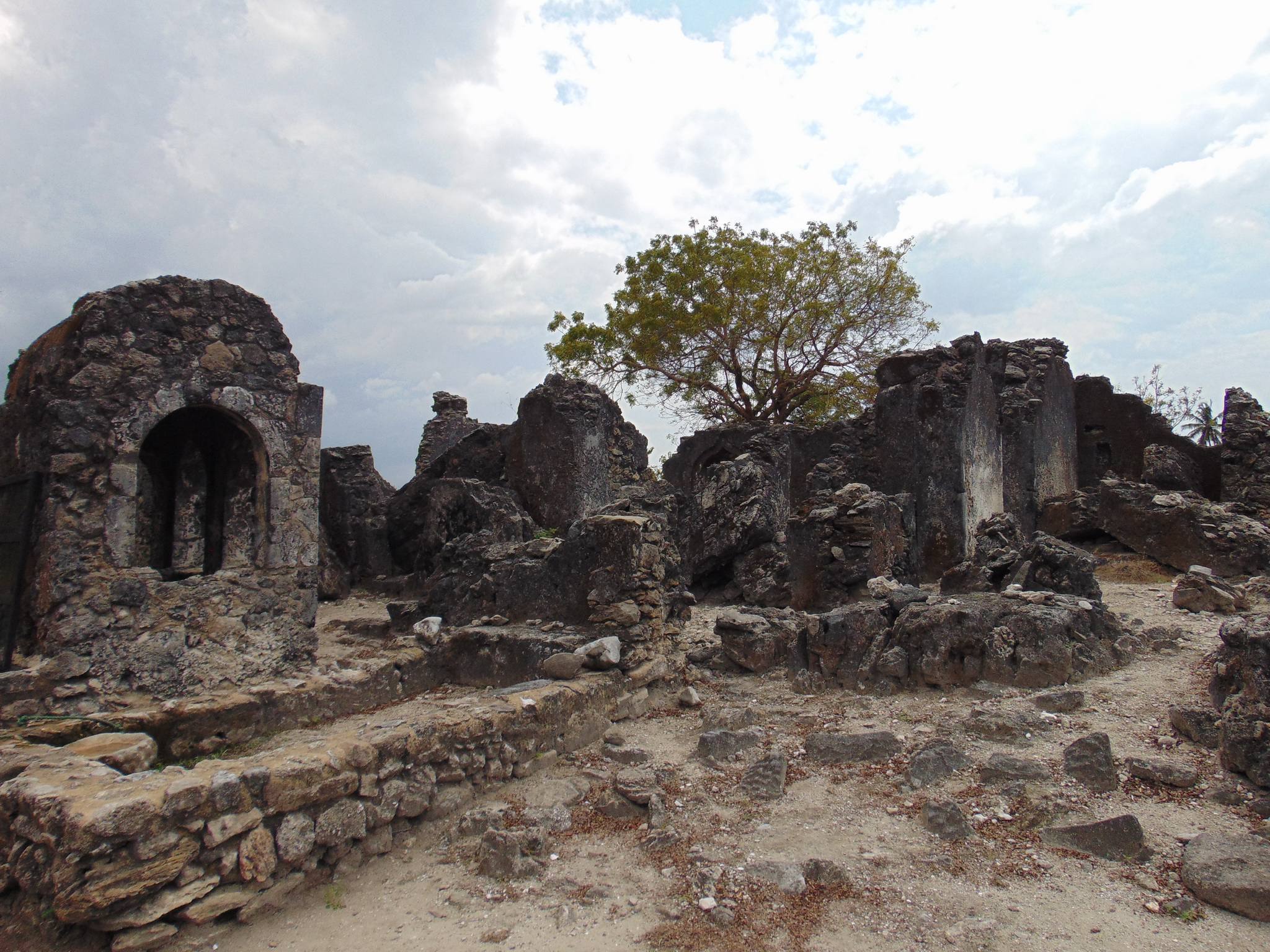
Bagamoyo is worth visiting because its identity goes far beyond being a coastal town. Its historical importance developed through centuries of Indian Ocean trade and later through the movement of people, goods, religions, and cultures along the East African coast.
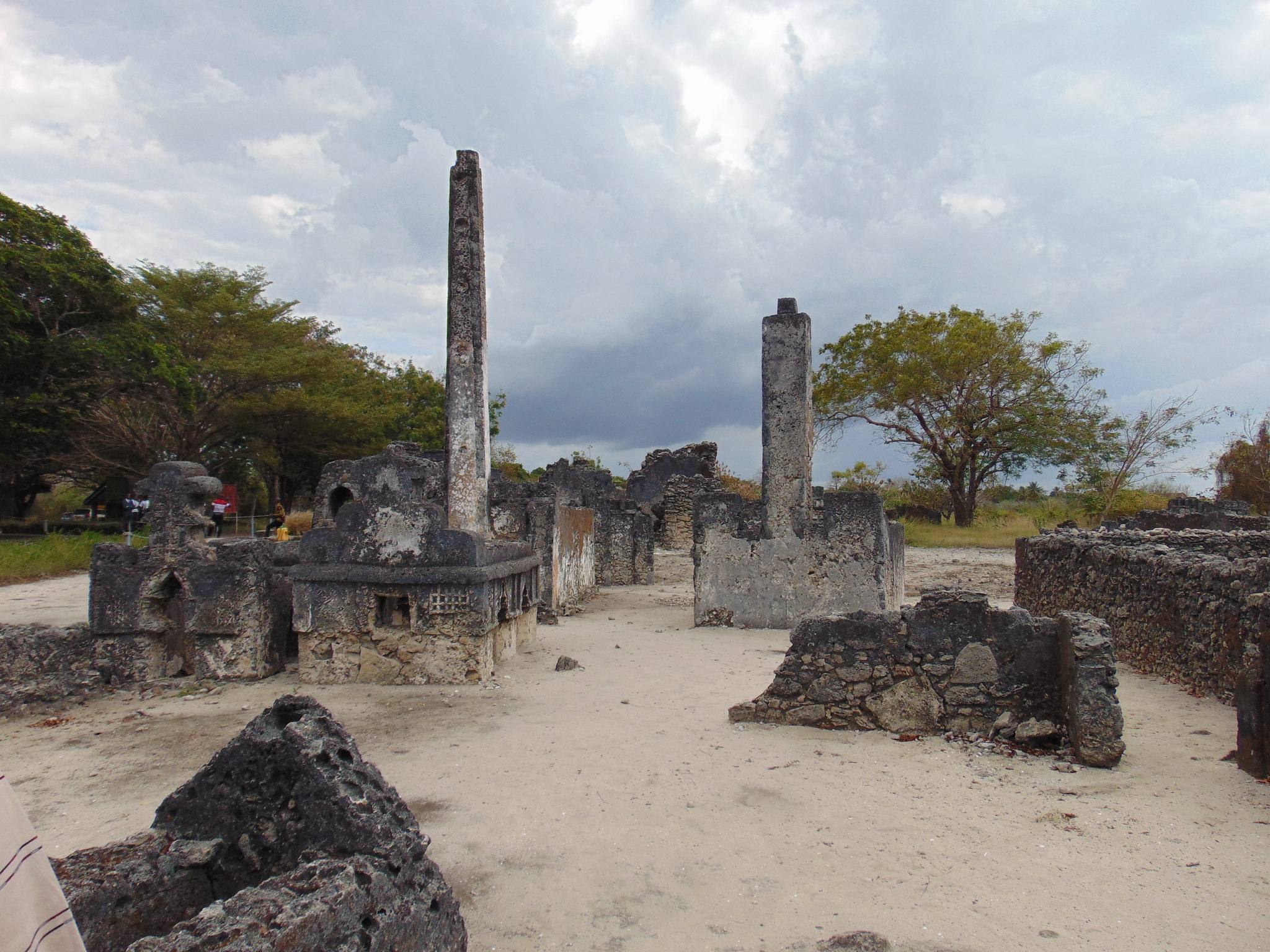
The town became one of the most important historical centres on the mainland coast of present-day Tanzania. Today, remnants of that history can be explored through heritage buildings, archaeological sites, museums, religious landmarks, and traditional neighbourhoods.
For history lovers, Bagamoyo offers an unusually concentrated heritage experience.
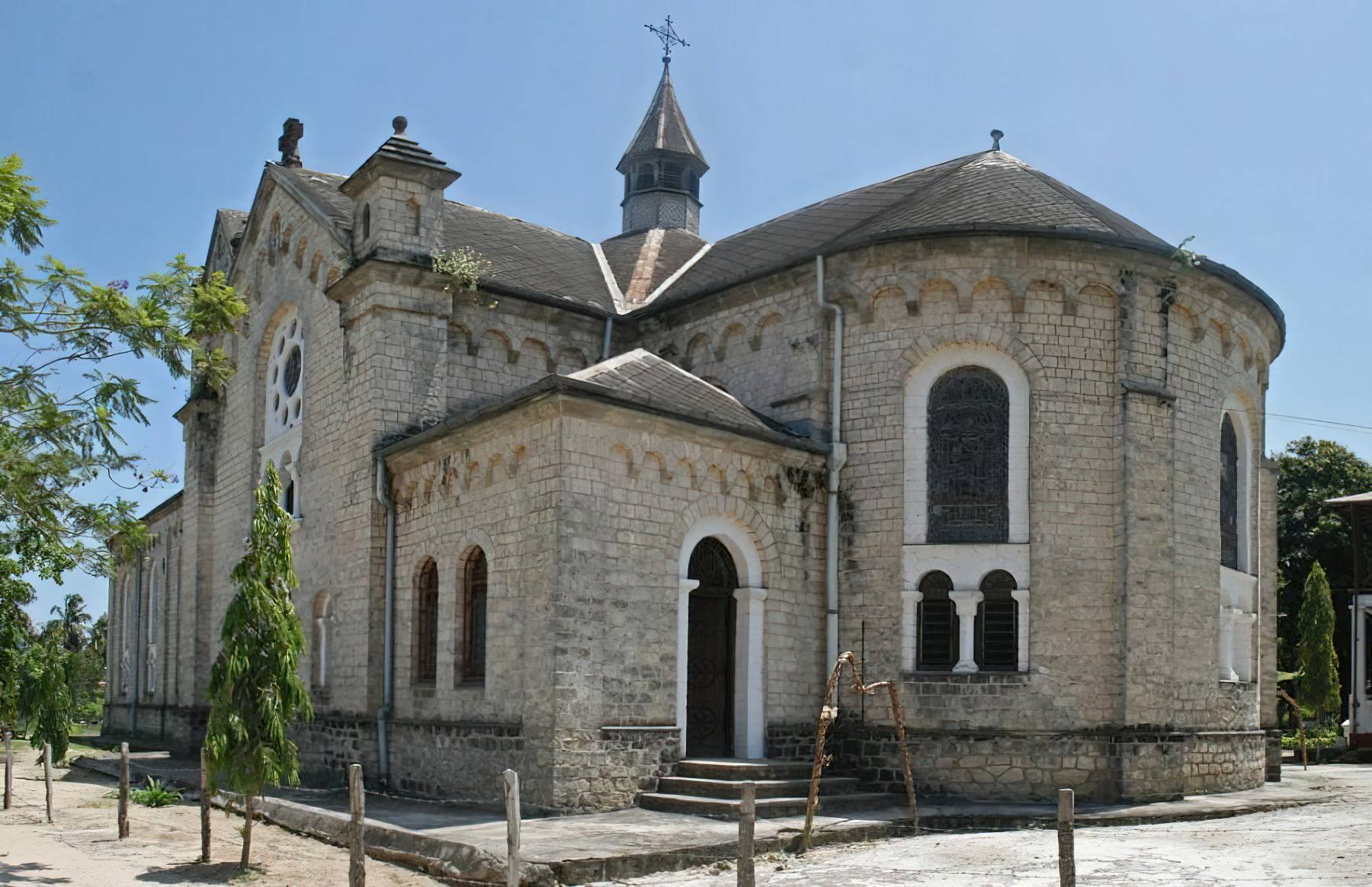
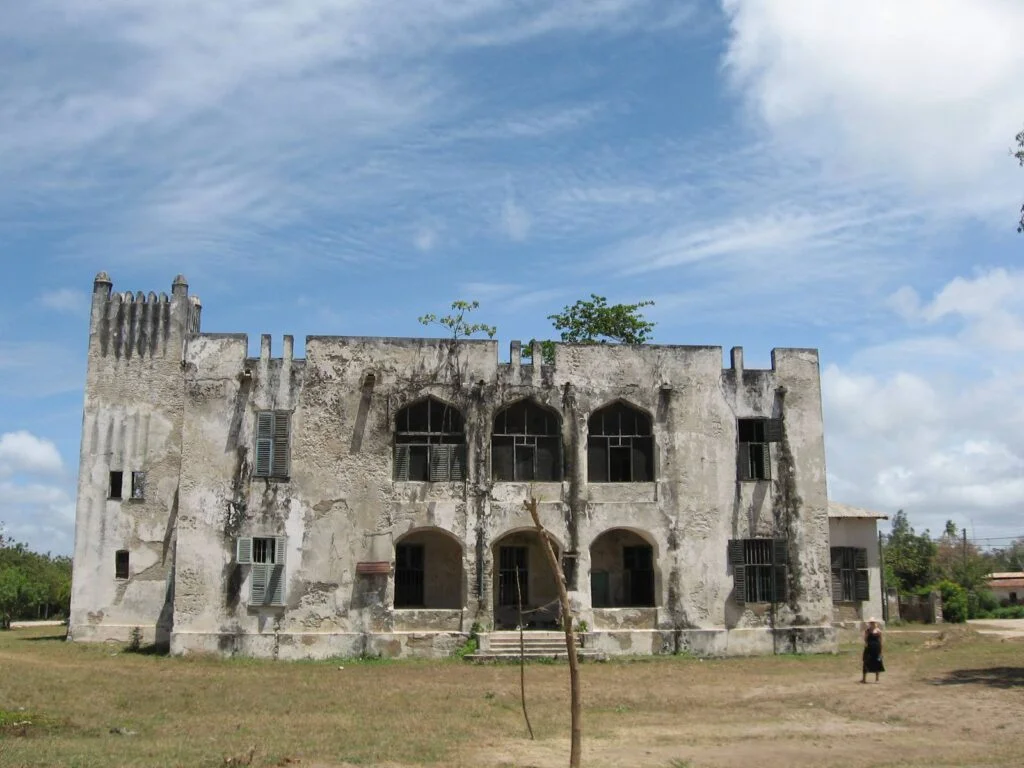
The old town contains historic structures associated with Swahili coastal life, trade, religion, colonial administration, and the nineteenth-century caravan routes. Places such as the old German Boma, the Catholic Mission, and other surviving historic structures help explain how Bagamoyo developed from a coastal settlement into an important regional centre.
The real value is not simply seeing old buildings. It is understanding the network behind them.
Bagamoyo was connected to inland caravan routes that linked the coast with the interior of East Africa. This made it a meeting point between coastal communities and inland societies, while also connecting Tanzania to wider Indian Ocean commercial networks.
Bagamoyo provides an opportunity to experience coastal Tanzania beyond resort tourism.
The town’s Swahili character can be seen in architecture, food, fishing traditions, local markets, crafts, language, and everyday life. A walk through the historic centre can therefore feel less like visiting an isolated attraction and more like entering a living cultural landscape.
This is one reason Bagamoyo works particularly well for travellers who prefer destinations where culture is part of the environment rather than something presented only as a scheduled performance.
The Bagamoyo Arts and Cultural Institute, commonly known as TaSUBa, has helped establish the town as an important centre for Tanzanian performing arts.
Music, dance, theatre, traditional artistic expression, and cultural creativity form an important part of Bagamoyo’s identity. When performances or cultural activities are available, they can add another dimension to a visit that might otherwise focus mainly on historical sites.
For travellers interested in African arts and contemporary cultural expression, this is one of Bagamoyo’s more distinctive experiences.
Bagamoyo’s coastline offers a quieter alternative to some of Tanzania’s more heavily marketed beach destinations.
The attraction is not necessarily a luxury-resort atmosphere. Instead, the coast provides space to slow down, watch local fishing activity, photograph changing light over the Indian Ocean, and experience the relationship between the town and the sea.
This makes Bagamoyo particularly appealing for travellers who want their beach experience to have a stronger sense of place.
One of the most powerful reasons to visit is that Bagamoyo cannot be separated from the difficult chapters of East African history.
The town was associated with nineteenth-century caravan networks and the history of the East African slave trade. Its historical sites therefore carry stories of commerce, migration, religion, exploitation, resistance, and cultural transformation.
A thoughtful visit does not treat these places simply as sightseeing stops. It allows travellers to understand how the history of the Tanzanian coast was shaped by connections between Africa, Arabia, Europe, and the wider Indian Ocean world.
That historical depth is what gives Bagamoyo a character that many ordinary beach destinations cannot reproduce.
Bagamoyo can be visited throughout much of the year, but the experience changes with Tanzania’s coastal seasons.
The best time depends on what you want from the destination. Travellers prioritising comfortable sightseeing and outdoor exploration will generally prefer the drier periods, while those who are more interested in quieter travel may find value outside the traditional high season.
The period from June to October is generally among the most comfortable times to explore coastal Tanzania.
Weather is typically drier, humidity is often more manageable, and conditions are favourable for walking through Bagamoyo’s historic areas, visiting cultural attractions, and combining the town with a wider Tanzania itinerary.
This period can work particularly well if Bagamoyo is being added before or after a safari.
The short rains can bring more variable weather, but they do not necessarily make Bagamoyo inaccessible.
Rain can be intermittent, and the destination may feel quieter than during peak travel periods. For flexible travellers, this can create an attractive balance between experience and fewer visitors.
The beginning of the year can bring warm coastal conditions and generally good opportunities for combining cultural exploration with time near the ocean.
Humidity can be noticeable, so travellers who plan long walking tours should allow enough time for breaks and hydration.
The long rains are typically the least predictable period for outdoor-focused travel along much of coastal Tanzania.
This does not mean Bagamoyo should automatically be avoided. The town’s museums, historic buildings, cultural experiences, and indoor attractions can still provide meaningful activities when rain interrupts outdoor plans.
For travellers seeking the easiest weather conditions, however, the drier months are usually the safer choice.
There is no single “best month” for every Bagamoyo traveller.
If your priority is historic sightseeing and photography, favour periods with more reliable dry weather.
If your priority is a quieter cultural experience, shoulder periods can be attractive.
If you are combining Bagamoyo with a Tanzania safari, your safari schedule may be more important than Bagamoyo’s own seasonality.
The smarter approach is therefore to choose the season according to the experience you want, rather than treating a destination’s “best time” as a universal answer.
Bagamoyo is rarely the main destination for a traditional wildlife safari, but it can become an important part of a broader Tanzania travel itinerary.
Its greatest strength is as a cultural and coastal extension to a safari, especially when travellers want to understand more of the country beyond wildlife.
A cultural tour can introduce visitors to the historic town, heritage buildings, religious sites, museums, local communities, traditional crafts, and important historical locations.
A knowledgeable guide can make a major difference because Bagamoyo’s significance is often hidden behind ordinary-looking buildings.
The deeper story emerges when individual sites are connected to the wider history of coastal trade, caravan routes, religion, colonialism, and cultural exchange.
History-focused tours can explore the town’s major heritage landmarks and explain its role in Tanzania’s nineteenth and twentieth-century history.
These tours are particularly valuable for travellers who want context rather than simply a list of attractions.
Instead of asking only “What is this building?”, a good historical tour helps answer “Why was this place important, and how did its existence influence the region?”
Bagamoyo can also be incorporated into a coastal itinerary involving relaxation, photography, fishing communities, local food, and ocean views.
This works well for travellers who want a slower transition between inland safari and the Indian Ocean coast.
Bagamoyo can also be combined with Saadani National Park.
This combination is particularly interesting because Saadani is one of Tanzania’s distinctive coastal wildlife destinations. Travellers can experience wildlife and coastal landscapes within the same broader region before continuing towards Bagamoyo or Dar es Salaam.
The combination creates a different kind of Tanzania itinerary: wildlife in the morning, coastal heritage and Swahili culture in the wider journey.
Because of its location along the coast, Bagamoyo can also be incorporated into a Dar es Salaam itinerary.
This makes it useful for travellers who want to move beyond the capital without committing to a long-distance journey.
For international visitors with limited time, Bagamoyo can therefore function as a compact cultural extension rather than a destination requiring an entire holiday by itself.
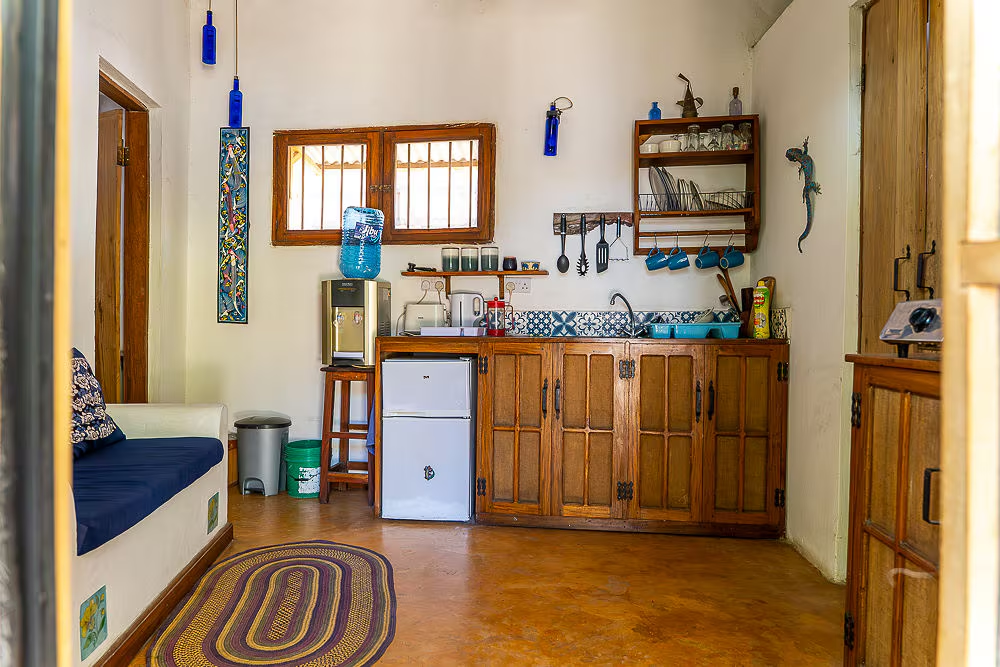
Accommodation in Bagamoyo ranges from small guesthouses and locally oriented stays to hotels and coastal properties offering more resort-style experiences.
The right choice depends heavily on why you are visiting.
Travellers primarily interested in history and culture may benefit from staying closer to the historic centre.
This can make walking-based exploration easier and place you closer to museums, heritage buildings, local restaurants, markets, and cultural attractions.
The advantage is immersion. You are not simply visiting Bagamoyo during the day; you are experiencing the town after the main sightseeing hours have ended.
Beach-oriented accommodation provides a different experience.
These properties can be better suited to travellers who want ocean views, relaxation, swimming where conditions permit, and a slower coastal atmosphere.
For couples or travellers extending a safari into a few days of relaxation, this can be an appealing option.
Before booking, consider three things:
Location: Do you want easy access to historical attractions or more time beside the ocean?
Purpose: Is Bagamoyo a cultural stop, a beach escape, or both?
Itinerary: Are you arriving from Dar es Salaam, continuing towards Saadani, or using Bagamoyo as part of a larger Tanzania route?
The best accommodation is therefore not necessarily the most luxurious property. It is the one that places you closest to the experience you actually came to Bagamoyo for.
Bagamoyo is relatively straightforward to include in a Tanzania itinerary, but understanding its character before arriving makes the experience considerably better.
A rushed visit can reduce Bagamoyo to a few photographs of historic buildings.
If history and culture are important to you, allow enough time to explore with a guide, visit key heritage locations, experience the town at a slower pace, and spend some time along the coast.
For many travellers, one full day can provide an introduction, while two days allow a more relaxed experience.
This is one of the most useful recommendations for Bagamoyo.
Many of the town’s most important stories are historical rather than visually dramatic. Without context, a visitor may walk past a significant building without understanding why it matters.
A good local guide turns architecture into history and individual sites into a connected story.
Bagamoyo is a historic coastal town with strong Swahili and Islamic cultural influences.
Modest, respectful clothing is appropriate when visiting religious or culturally significant places. Lightweight clothing is useful because the coastal climate can be hot and humid.
Smaller businesses and local services may not always provide the same payment options available in major hotels or cities.
Having some Tanzanian shillings available can make it easier to pay for local transport, food, guides, crafts, and smaller purchases.
The combination of heat, humidity, and strong tropical sunlight can make walking more tiring than expected.
Carry drinking water, sunscreen, sunglasses, and a hat, especially when exploring historic areas during the middle of the day.
One of Bagamoyo’s strongest qualities is its atmosphere.
Spend time observing everyday coastal life, local architecture, fishing activity, street scenes, and the changing light near the ocean. These moments can become more memorable than simply completing a checklist of attractions.
For photographers, early morning and late afternoon can be especially rewarding because softer light brings out textures in old walls, wooden doors, streets, people, and the coastline.