
Saanane National Park offers one of Tanzania’s most unusual wildlife experiences: a national park set within the urban landscape of Mwanza, on the shores of Lake Victoria. The park lies about 2 km from Mwanza city centre and covers approximately 2.18 km², including Saanane Island, neighbouring islets and surrounding waters. It was gazetted as a national park in 2013.
What makes Saanane interesting is not its size, but its contrast. Within a short journey from the noise and movement of Mwanza, you can find granite boulders, grassy areas, woodland, thorny thickets, lake views and wildlife. It is a destination where an urban day can suddenly become a close encounter with nature.
For travellers exploring western Tanzania, Saanane can therefore play a different role from the vast wilderness parks of the northern and southern safari circuits. It is compact, accessible and particularly well suited to short wildlife experiences, photography, nature walks and travellers spending time around Mwanza.
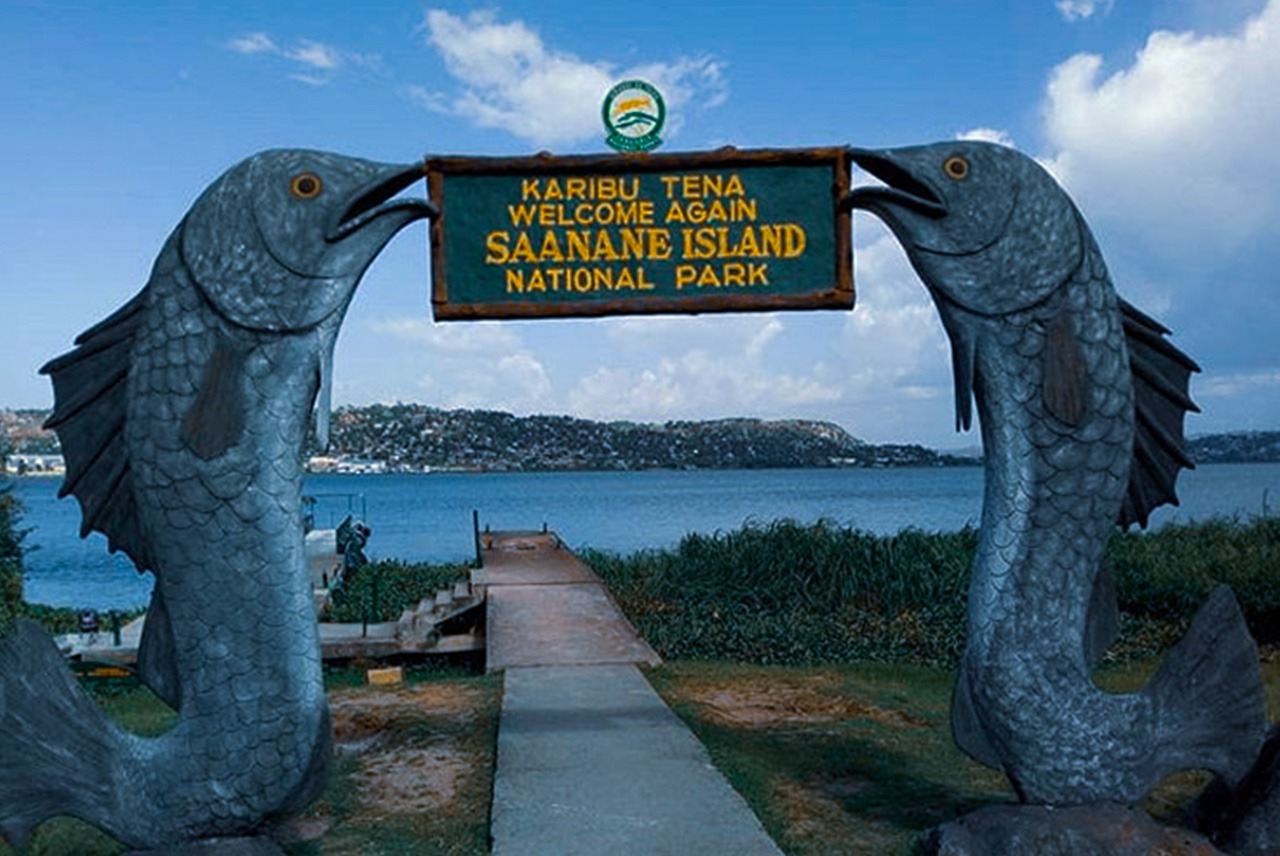
Saanane’s greatest attraction is its setting.
The park is not hidden hundreds of kilometres from civilisation. It sits close to Mwanza, one of Tanzania’s major cities, yet the landscape quickly changes from urban surroundings to granite rocks, vegetation, lake shore and wildlife.
That contrast gives Saanane its character. You do not need several days in the bush to experience a protected natural environment here. A visit can fit naturally into a Mwanza itinerary, making the park particularly valuable for travellers with limited time.
TANAPA describes Saanane as a place where residents and visitors can escape the noise of the city, get closer to nature and relax.
Saanane supports a mixture of indigenous and introduced wildlife. Species documented by TANAPA include impala, zebra, wildebeest, klipspringer, rock hyrax, vervet monkeys, dik dik, otters and crocodiles.
The compact size changes the way you experience wildlife.
This is not the kind of destination where you spend hours crossing enormous plains searching for distant animals. Instead, the experience is more intimate and observational. You can pay attention to smaller details such as how animals use the rocky landscape, how birds move around the shoreline and how vegetation changes across the island.
That makes Saanane particularly interesting for travellers who appreciate close-range nature experiences rather than simply collecting large numbers of sightings.
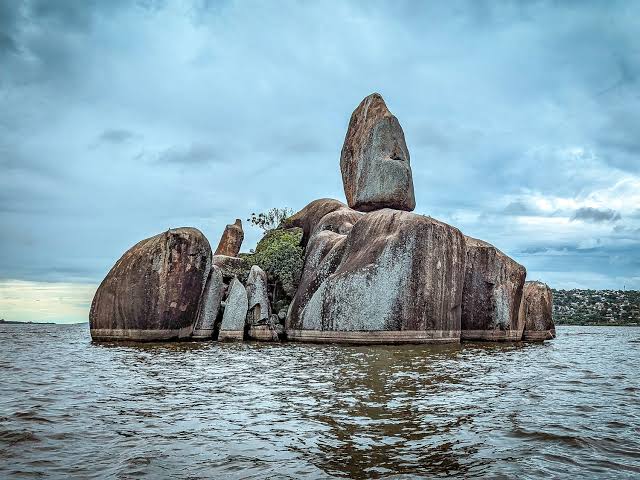
Saanane’s scenery is strongly shaped by granite boulders, grassland, thorny thickets, woodland and vegetation along the shoreline.
The granite is more than a background for photographs. It creates natural viewpoints across Lake Victoria and gives parts of the island a distinctly rocky character.
The park also has trails and viewpoints that lead visitors through different corners of the island, including locations overlooking the lake and surrounding islands.
For photographers, this creates an interesting combination of subjects: wildlife, granite formations, lake horizons, vegetation and changing light.
If your mental picture of a Tanzanian safari is a Land Cruiser disappearing into an endless savannah, Saanane will challenge that assumption.
Its strength is precisely that it does not attempt to compete with Serengeti or Nyerere on scale.
Instead, Saanane offers something different: wildlife within an island environment close to a major city.
That makes it especially useful for:
Saanane is not only terrestrial.
The park’s protected area includes surrounding waters of Lake Victoria, adding an aquatic dimension to the landscape. Earlier TANAPA material also notes fish species including tilapia and Nile perch in the aquatic environment.
The result is a destination where the experience shifts naturally between land and lake.
That is one of the details that makes Saanane more interesting than its small size might suggest.
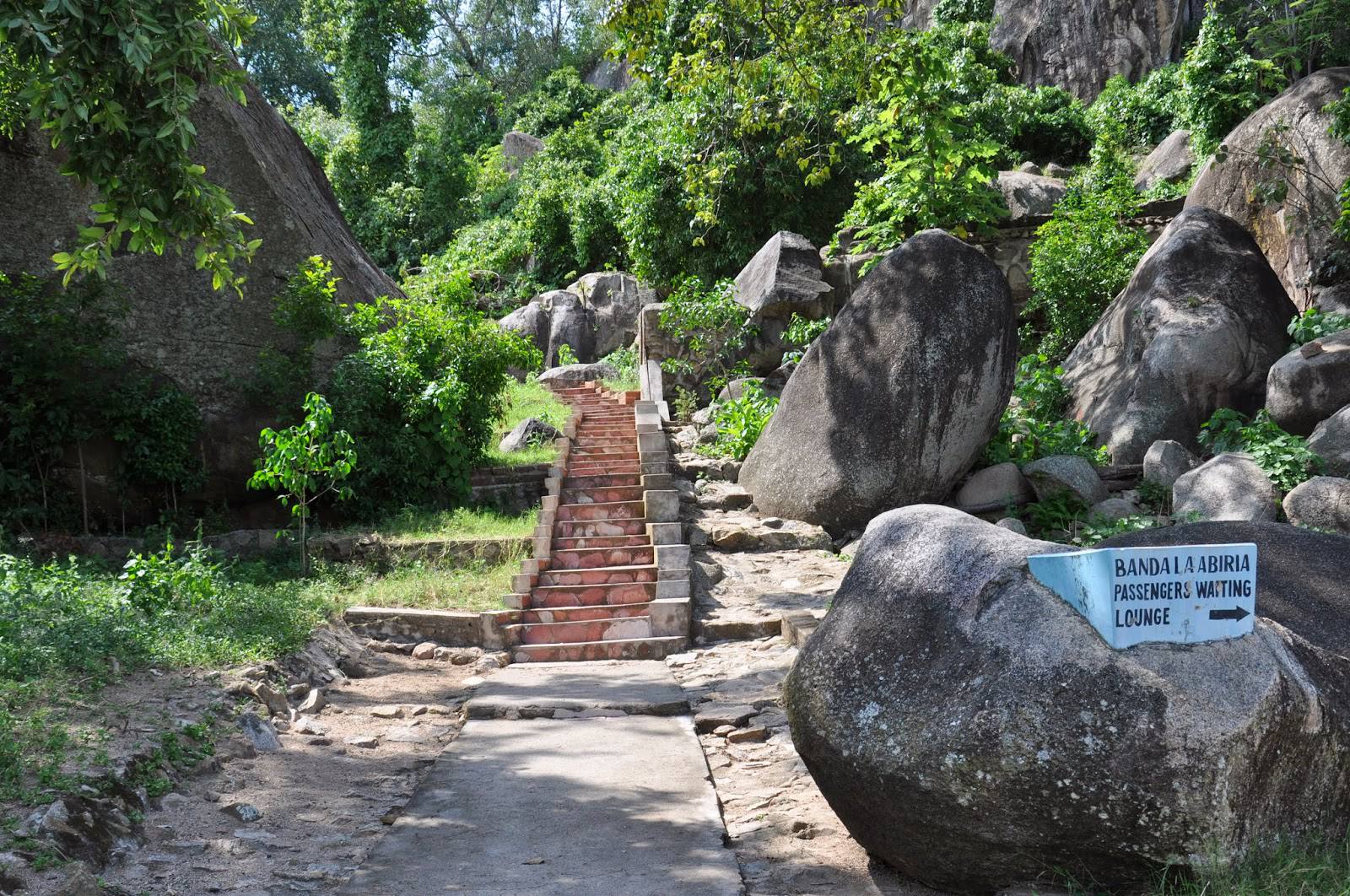
Saanane can be visited throughout the year, but the best time depends on what you want from the experience.
The drier months are generally attractive for travellers who prefer more predictable conditions and easier outdoor exploration.
Vegetation can become less dense, which may make some wildlife easier to observe. The reduced rainfall can also make walking and photography more comfortable.
For a first visit, the dry period is a sensible choice if your priority is combining wildlife viewing with outdoor exploration around the island.
The wetter months bring a different character.
The vegetation becomes greener, the landscape can feel more vibrant and bird activity can become particularly rewarding for nature enthusiasts.
Rain can also create dramatic skies over Lake Victoria, giving photographers opportunities that are difficult to reproduce during uniformly dry weather.
The trade-off is simple: wetter conditions can make outdoor plans less predictable.
There is no universal answer to “When is the best time to visit Saanane?”
If you want comfortable outdoor exploration and relatively predictable weather, favour the drier period.
If you care more about green landscapes, birdlife, dramatic skies and photography, the wetter season can be rewarding.
And because Saanane is so close to Mwanza, you have another advantage: you do not necessarily need to build your entire Tanzania trip around the park. You can fit the visit into your wider western Tanzania itinerary.
Saanane works particularly well as a short safari experience rather than a destination that requires a long multi-day expedition.
A day trip is the most natural way to experience the park.
You can combine:
The advantage is flexibility. Instead of committing several days to one small protected area, you can use Saanane as one component of a broader Mwanza itinerary.
Wildlife viewing is one of the central reasons to visit Saanane.
Look for species such as impala, zebra, wildebeest, klipspringer, rock hyrax, vervet monkeys and dik dik, while crocodiles and other wildlife add variety to the experience.
Do not approach Saanane with the same expectations you would bring to Serengeti.
The value here is not guaranteeing a particular Big Five sighting. It is experiencing a compact ecosystem where several different habitats and wildlife species exist remarkably close to an urban centre.
One of Saanane’s defining features is its network of pathways and trails.
TANAPA describes trails constructed with rustic granite stones that wind through different parts of the island, with viewpoints and resting places along the way.
This makes the park particularly suitable for travellers who want to slow down and observe the environment, rather than spending the entire visit inside a safari vehicle.
Saanane is an underrated photography destination because it combines several visual layers in a small area.
You can photograph:
That last contrast is especially powerful. Saanane can produce images that communicate something a huge wilderness park cannot easily reproduce: wild nature existing immediately beside city life.
The mixture of woodland, grassland, thorny vegetation, shoreline habitats and surrounding water creates opportunities for observing different forms of wildlife.
For serious birdwatchers, it is worth treating Saanane as a habitat rather than simply a checklist destination. The more time you spend watching the shoreline, trees, rocks and vegetation, the more the ecological character of the island begins to reveal itself.
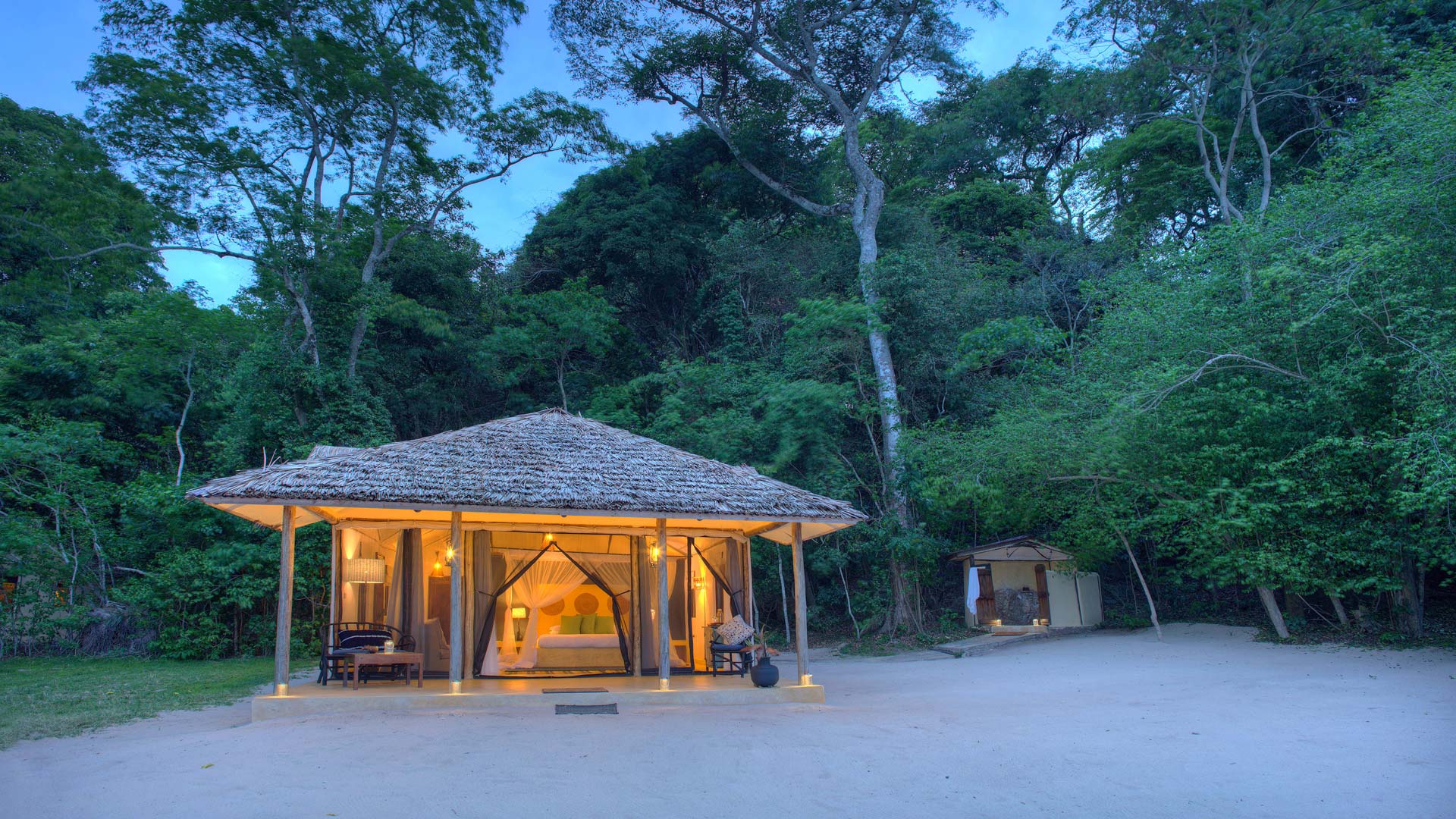
One of the major advantages of visiting Saanane is that you are already close to Mwanza’s wider accommodation network.
Travellers can therefore choose between staying in Mwanza and visiting the park during the day, or spending a night closer to the park experience where available.
TANAPA’s Saanane material identifies a campsite, picnic bandas, a canteen and resting areas within the park.
More recently, TANAPA announced the launch of tented accommodation at Saanane in May 2025, expanding the park’s overnight offering.
This creates an interesting option for travellers who want to experience the island after the typical day visitor has left.
For many visitors, Mwanza remains the simplest base.
The city provides a much wider range of hotels and guesthouses, while Saanane can be incorporated into a day itinerary.
This arrangement works particularly well if you are combining the park with other Mwanza attractions or using the city as a gateway to western Tanzania.
Choose park-based accommodation if your priority is immersion and experiencing the destination itself.
Choose Mwanza accommodation if you prefer more choice, easier access to restaurants and city services, or if Saanane is only one part of your itinerary.
The important point is that you do not have to choose between comfort and access. Saanane’s unusual location makes both possible.
Saanane is located on Lake Victoria approximately 2 km from Mwanza city centre.
This proximity is one of its biggest practical advantages.
If you are already staying in Mwanza, visiting Saanane does not require the logistical commitment associated with remote safari parks. The final approach involves reaching the island environment, so your tour operator or park arrangements should be confirmed before travelling.
Do not think of Saanane as an isolated destination.
Think of it as a nature experience within a Mwanza journey.
A well-planned itinerary can combine time in the city, Saanane and other attractions around Lake Victoria. This makes the park particularly useful for travellers who want to experience more than the classic northern safari circuit.
Saanane may feel unusually accessible because it sits close to Mwanza, but it remains a national park.
Wild animals should therefore be treated as wild animals, regardless of how accustomed they may appear to human presence.
TANAPA’s visitor guidance emphasises following park rules, respecting wildlife and following guide instructions.
Do not feed animals, disturb wildlife or attempt to get closer simply because the animal appears calm.
For a comfortable visit, consider carrying:
A small backpack is usually more practical than carrying unnecessary luggage around the island.
Do not spend the entire visit looking only for large mammals.
Saanane rewards observation.
Look at the relationship between the animal and its surroundings. A klipspringer on granite, a monkey among trees, an antelope against the lake horizon or birds moving through shoreline vegetation can produce more distinctive photographs than a conventional close-up wildlife portrait.
This is one of those parks where composition can matter as much as the animal itself.
Saanane makes particular sense when your itinerary already includes Mwanza and the Lake Victoria region.
It can also serve as a softer introduction to Tanzania’s protected areas before travelling onward to larger wilderness destinations.
The strategic advantage is simple: you are not spending an entire travel day reaching the experience. You are placing a national park almost directly inside your Mwanza itinerary.
TANAPA publishes park tariffs and visitor information through its official channels. Fees can change between tariff periods, so travellers should verify the applicable rates before booking rather than relying on old blog posts or screenshots.
TANAPA also provides online reservation and booking information for park services and accommodation.