
Katavi National Park
Katavi National Park
Katavi National Park is one of Tanzania’s most remote and rewarding safari destinations, where vast floodplains, woodland, seasonal rivers, and unusually low visitor numbers create a distinctly wild safari experience. Far from the better-known northern safari circuit, Katavi feels less like a place built around tourism and more like a functioning wilderness that happens to let you in.
Why Visit Katavi National Park
Katavi is for travelers who want to experience Tanzania beyond the famous safari names. Its appeal lies not simply in the animals you can see, but in the scale, solitude, and rawness of the landscape.
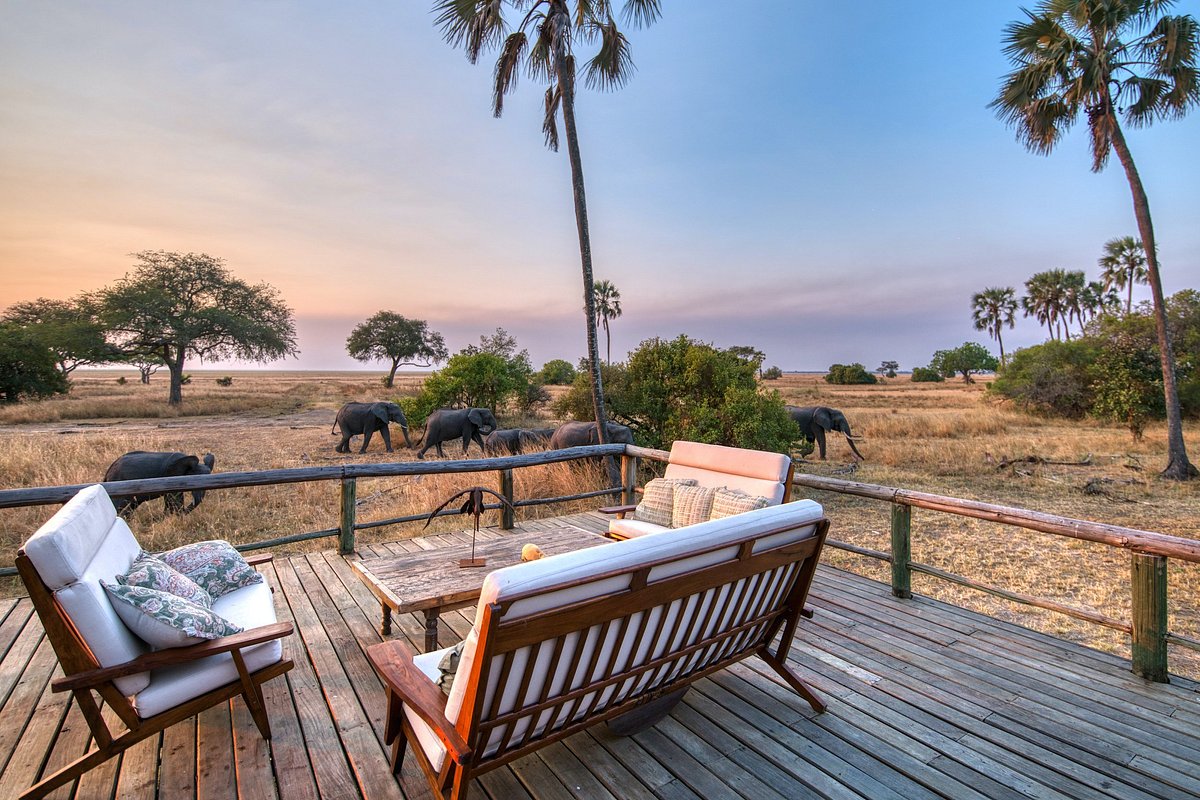
The park is particularly known for large concentrations of African elephants, Cape buffalo, hippos, lions, crocodiles, and other wildlife, especially around the Katuma River and seasonal floodplains. During the dry season, shrinking water sources can concentrate wildlife dramatically, creating intense scenes around the remaining pools.
The Katuma River is central to Katavi’s wildlife story. As surrounding water sources disappear during the dry months, animals are drawn toward dependable water, turning the river and its associated floodplains into natural gathering points. This is one reason Katavi can produce remarkably concentrated wildlife encounters without the heavy vehicle presence found in some of Tanzania’s more visited parks.
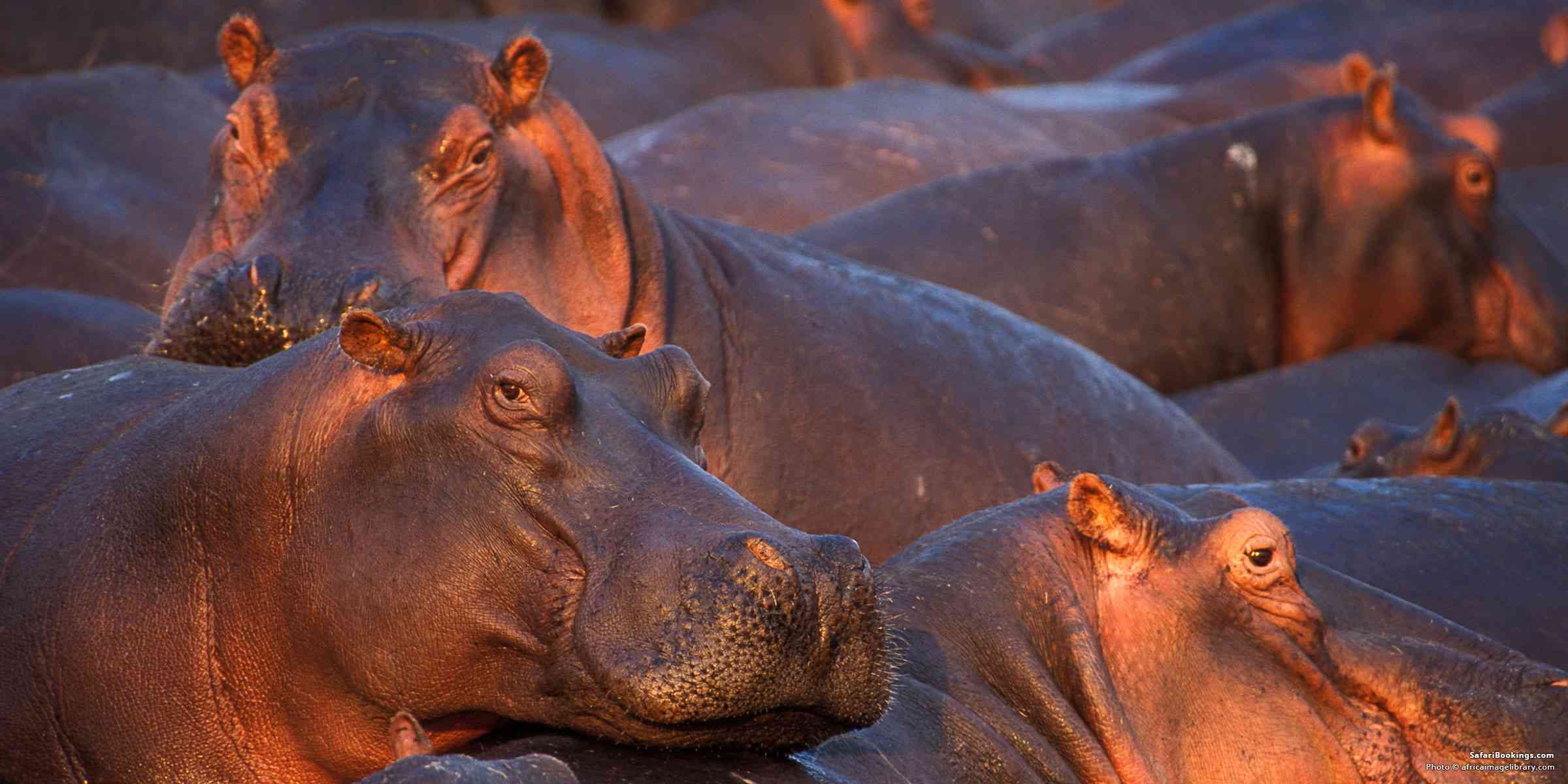
One of Katavi’s most distinctive experiences is watching hippos packed into shrinking pools, sometimes with hundreds of animals competing for increasingly limited water and space. From a distance, the pool may appear almost motionless; then the sound of grunts, splashes, and territorial displays reveals how much is happening beneath the surface.
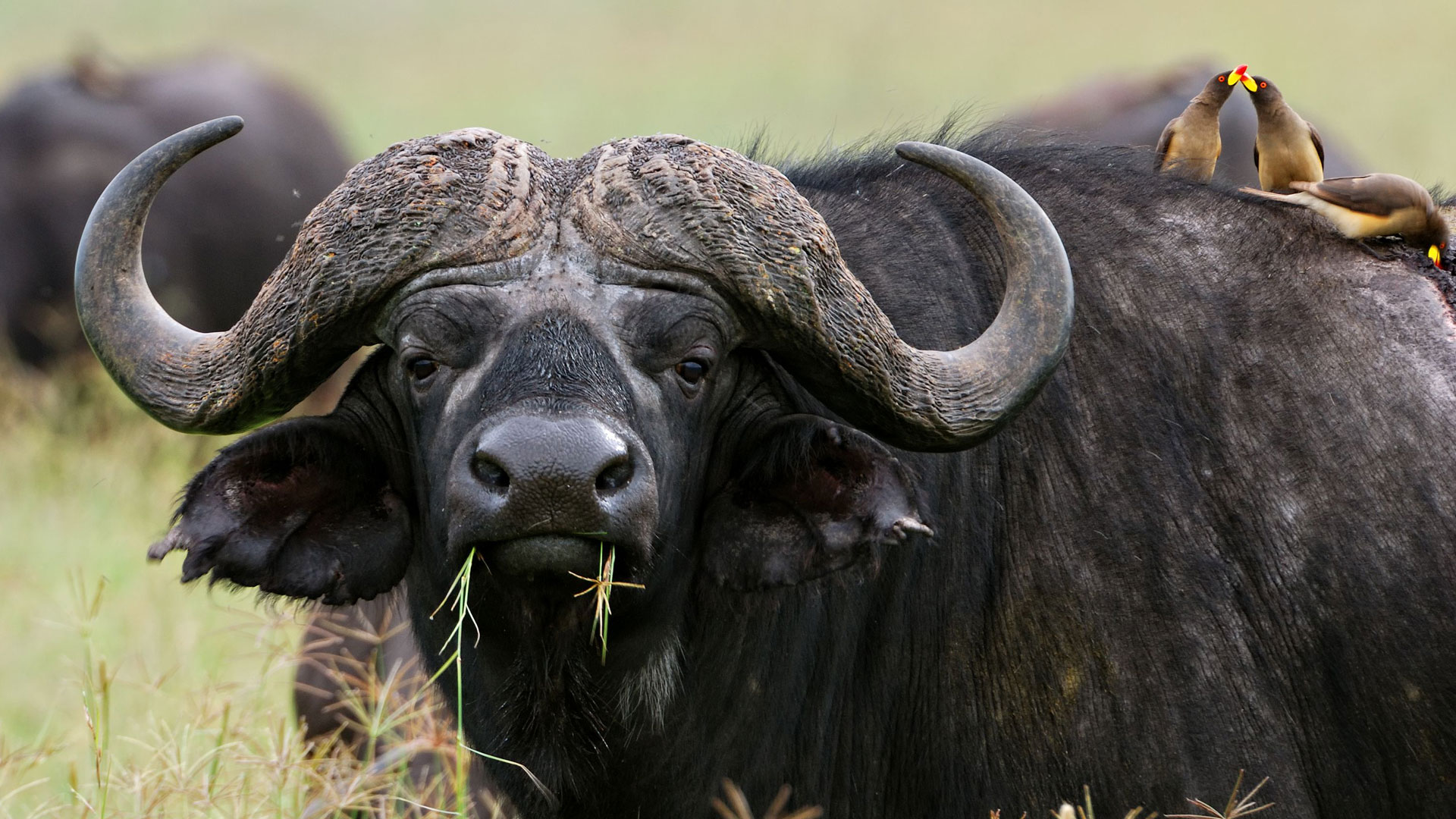
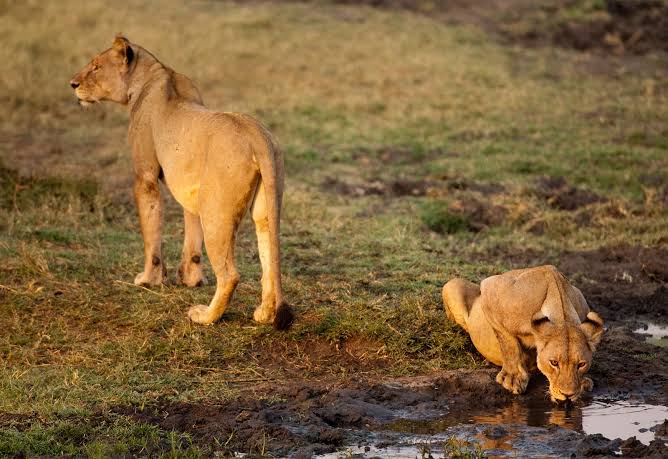
The park also offers excellent opportunities to encounter large buffalo herds and elephants, while predators such as lions and wild dogs may be encountered depending on season, location, and local wildlife movements.
But wildlife is only part of Katavi’s attraction.
Its broad Chada Plain, seasonal wetlands, miombo woodland, palms, and open grasslands give the park a sense of wilderness that is difficult to reproduce in more developed safari destinations. The feeling is amplified by the relatively small number of visitors.
For travelers who value privacy, remoteness, photography, and genuine wilderness, that absence of crowds can be as important as the wildlife itself.
When to Visit Katavi National Park
The best time to visit Katavi depends heavily on what you want from the safari, but the dry season is generally the most rewarding period for concentrated wildlife viewing.
As the dry months progress, water becomes increasingly scarce across the park. Wildlife naturally gathers around permanent or semi-permanent water sources, particularly the Katuma River and remaining pools.
This creates a powerful ecological chain:
less water → wildlife concentration → predator opportunities → easier wildlife viewing.
That does not mean every dry-season day produces the same sightings. Wildlife remains unpredictable, and Katavi is a functioning ecosystem rather than a wildlife theatre. But the seasonal pressure on water makes animal movements easier to understand and often creates exceptional viewing conditions.
Dry Season
The dry season is generally favored for traditional game viewing because vegetation becomes thinner and wildlife becomes increasingly concentrated around water.
It is particularly attractive for travelers hoping to see:
- Large elephant gatherings
- Buffalo herds
- Hippo concentrations
- Crocodiles around water
- Lions near prey-rich areas
- Wildlife congregating around the Katuma River
- Dramatic predator-prey interactions
For photographers, the dry season also offers another advantage: the landscape itself becomes part of the story. Dust, golden grass, exposed floodplains, low water levels, and large animal gatherings can create a much stronger sense of scale.
Green Season
During the wetter months, Katavi changes character.
The landscape becomes greener, vegetation becomes denser, and seasonal water returns to areas that were dry during the previous months. Wildlife disperses more widely because animals no longer need to depend so heavily on a few remaining water sources.
This can make wildlife encounters less concentrated, but it offers a different kind of safari experience: greener landscapes, fresh vegetation, migratory bird activity, and a wilderness atmosphere that feels dramatically different from the dry season.
For travelers who prioritize landscape photography, birdlife, solitude, and seeing the ecosystem in its greener state, this period can be particularly appealing.
The Key Decision
If your priority is maximum wildlife concentration, lean toward the dry season.
If your priority is green landscapes, fewer visitors, and a more seasonal ecosystem experience, consider the wetter period where access and camp operations permit.
The important point is that there is no single “perfect” Katavi season. The better question is:
What kind of Katavi do you want to experience?
Tours & Safaris in Katavi National Park
A Katavi safari is rarely chosen simply because a traveler wants to tick another national park off a list. The destination works best as part of a journey designed around remote wilderness and deeper exploration.
Because Katavi is geographically isolated from Tanzania’s more accessible safari destinations, it is commonly incorporated into a broader itinerary rather than visited as a quick stop.
A well-designed Katavi safari can include:
Game Drives
Game drives are the primary way to explore Katavi. The park’s open plains, woodland, river systems, and seasonal wetlands allow you to explore different habitats rather than repeatedly circling a single wildlife area.
The most productive areas can change with water availability, vegetation, and wildlife movements, which means good guiding matters enormously.
Wildlife-Focused Safaris
Katavi is especially attractive for travelers whose priority is wildlife rather than infrastructure.
Instead of moving from one highly developed tourist zone to another, you spend more time within a landscape where wildlife movements and seasonal ecology determine the experience.
Photography Safaris
Katavi has strong potential for safari photography because it combines:
- Large mammals
- Open landscapes
- Dramatic wildlife concentrations
- Relatively low vehicle density
- Natural light across broad plains
- Wildlife-water interactions
For photographers, the lower visitor density can be particularly valuable. You are more likely to experience wildlife without the visual clutter of numerous safari vehicles competing for the same sighting.
Tanzania Circuit Safaris
Katavi can be paired with other destinations in western or southern Tanzania depending on logistics and flight availability.
A more ambitious itinerary may combine Katavi with destinations such as Mahale Mountains National Park, creating a journey that moves from large-mammal safari landscapes into the forested shores of Lake Tanganyika.
The result is not simply a longer safari. It is a contrast between ecosystems—which can make the entire journey feel more complete.
How Long Should You Stay?
Katavi deserves enough time for the destination to reveal itself.
A rushed overnight visit can reduce a remote destination to a box-ticking exercise, particularly when considerable travel time is involved.
For most travelers, several nights allow enough time to explore different areas, follow changing wildlife patterns, and experience the rhythm of the park rather than simply searching for highlights.
Accommodation in Katavi National Park
Accommodation in Katavi is generally characterized by small safari camps and intimate wilderness properties rather than large resort-style developments.
This is part of what makes the destination attractive.
Instead of choosing accommodation primarily around facilities, travelers should think about location, season, access, camp philosophy, and the type of safari experience they want.
Luxury Safari Camps
Luxury camps in Katavi tend to emphasize:
- Privacy
- Personalized guiding
- Wilderness atmosphere
- Spacious tented accommodation
- High-quality dining
- Prime access to wildlife areas
The luxury here is often less about elaborate architecture and more about space, exclusivity, service, and immersion in nature.
Seasonal Tented Camps
Some safari camps operate seasonally, allowing them to remain closely connected to wildlife movements and changing park conditions.
These can be especially appealing to travelers who prefer a more authentic bush experience over permanent resort infrastructure.
Choosing Where to Stay
When comparing Katavi accommodation, do not look only at photographs of the rooms.
Ask:
Where is the camp relative to the wildlife areas I want to explore?
A beautiful camp in the wrong location can produce a less satisfying safari than a simpler property positioned strategically within the ecosystem.
Also consider whether your priority is:
- Luxury and privacy
- Photography
- Family travel
- Exclusive guiding
- Remote wilderness
- Short access to key wildlife areas
- Combining Katavi with another western Tanzania destination
In Katavi, location is part of the accommodation experience.
Travel Advice for Katavi National Park
Katavi rewards travelers who understand that remoteness is not an inconvenience to be tolerated—it is part of the reason to come.
Plan Around Accessibility
Katavi is significantly more remote than destinations such as Serengeti or Ngorongoro.
For many travelers, flying is the practical way to reach the park, particularly when Katavi is incorporated into a multi-destination safari itinerary.
Travel arrangements should therefore be planned carefully around available flights, safari camps, and seasonal operating schedules.
Choose the Season Carefully
Your choice of travel dates can change the character of the entire safari.
Dry-season travelers should expect concentrated wildlife and harsher-looking landscapes, while wetter-season travelers may encounter greener scenery and more dispersed wildlife.
Neither experience is automatically better. They simply reveal different sides of Katavi.
Pack for a Real Wilderness Safari
Your packing list should account for:
- Lightweight, breathable clothing
- Neutral safari colors
- A warm layer for early mornings and evenings
- Sun protection
- Insect protection
- Comfortable closed shoes
- Binoculars
- Camera equipment and spare batteries
- Appropriate charging and power solutions
Because you are traveling into a remote environment, being prepared matters more than packing heavily.
Expect Limited Connectivity
Do not approach Katavi expecting the connectivity of an urban hotel.
Depending on your camp and location, mobile service and internet access may be limited or intermittent. For many travelers, this becomes an unexpected benefit: the park creates the physical conditions to step away from constant digital interruption.
Respect the Distance
Katavi is not the destination to choose when you want the easiest possible safari logistics.
It is the destination to choose when you believe the reward is worth the distance.
That distinction matters.
The further you move from Tanzania’s heavily visited safari corridors, the more important itinerary design, camp selection, internal flights, and timing become. A specialist safari operator can help connect these pieces into a practical route rather than treating Katavi as an isolated destination.