
Tucked into the forested shores of Lake Tanganyika in western Tanzania, Gombe National Park offers a very different kind of safari. This is not a destination where the goal is simply to drive through open plains looking for the Big Five. Here, the journey takes you on foot into ancient forest, where chimpanzees move through the trees, monkeys call from the canopy, and the landscape falls dramatically toward one of Africa’s great lakes.
Gombe is especially famous for its wild chimpanzees and the pioneering research of Jane Goodall, whose work here began in 1960 and helped transform the world’s understanding of chimpanzee behaviour. The park was later upgraded from a game reserve to national park status in 1968.
At only about 52 km², Gombe is one of Tanzania’s smallest national parks, but its compact size hides an unusually rich experience: intimate chimpanzee encounters, forest walks, primate viewing, mountain trails and the peaceful shoreline of Lake Tanganyika.
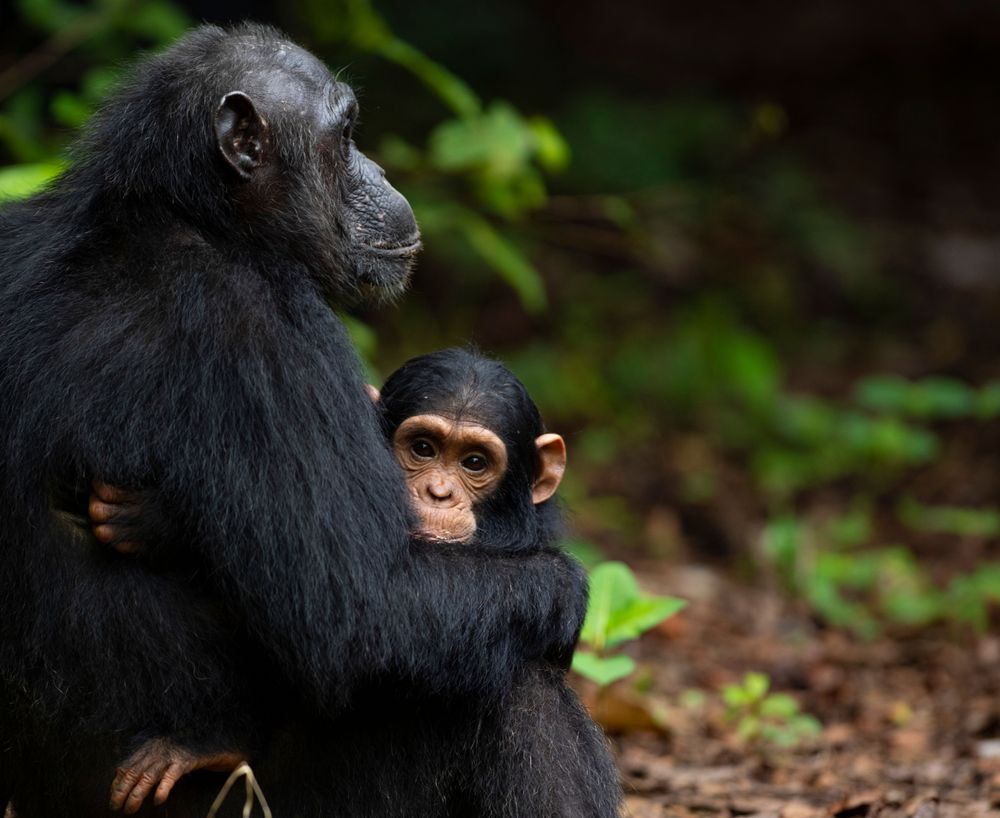
The main reason travellers come to Gombe is simple: chimpanzee trekking.
Unlike a traditional game drive, chimpanzee tracking takes place on foot. Guided by trained park staff, you follow forest trails in search of habituated chimpanzees and may eventually find yourself quietly watching them feed, climb, communicate, groom one another or move through the forest.
That changes the feeling of the safari.
You are not watching wildlife from behind a vehicle window. You are entering the environment where the animals actually live.
TANAPA describes the experience as an opportunity to observe chimpanzees at close quarters during forest hikes, while all park activities are conducted under the supervision of park rangers.
Gombe’s importance goes beyond tourism.
Jane Goodall began her landmark chimpanzee research here in 1960, making Gombe one of the world’s most historically significant places for the study of wild chimpanzees. Her work helped reveal the complexity of chimpanzee social behaviour and created a scientific legacy that continues to shape primate research and conservation.
For travellers interested in wildlife, conservation or human evolution, this gives a walk through Gombe another layer of meaning.
You are not simply visiting a national park.
You are walking through a landscape that changed what humans understood about one of our closest living relatives.
Gombe is especially appealing if you have already seen Tanzania’s famous savannah destinations and want something more intimate.
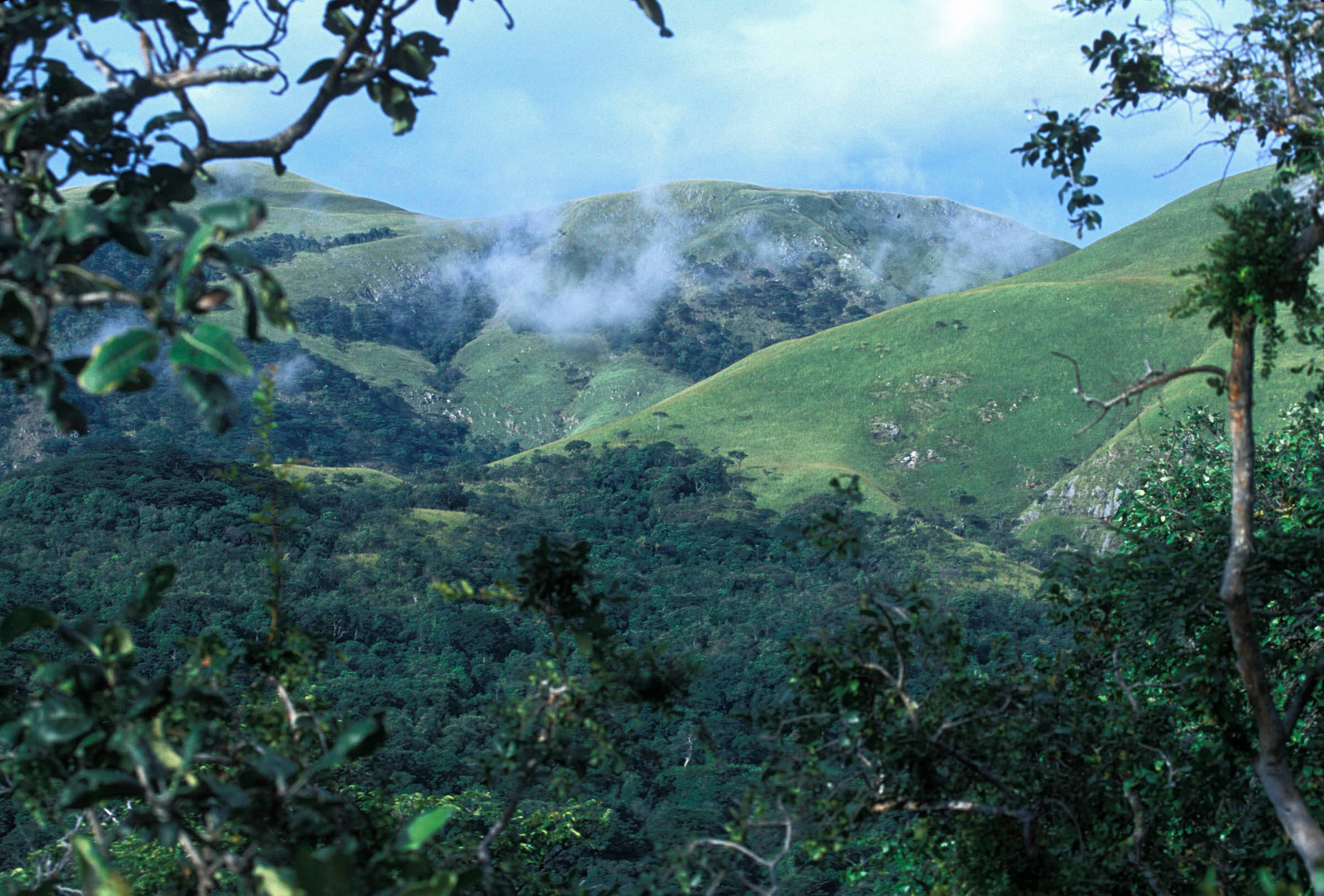
There are no vast Serengeti-style plains here. Instead, forested mountains rise steeply from sandy shores along Lake Tanganyika. The landscape encourages walking, observation and patience rather than long-distance game drives.
That makes Gombe particularly rewarding for travellers who value close wildlife encounters, nature, hiking and quieter destinations.
Chimpanzees may be the headline attraction, but they are not the only wildlife you can encounter.
Gombe’s forests are home to other primates including red-tailed monkeys, red colobus monkeys, blue monkeys, olive baboons and vervet monkeys. Forest walks can also reveal a variety of birdlife and other smaller inhabitants of the ecosystem.
The deeper you walk, the more the forest becomes the safari.
Sometimes the reward is not a dramatic animal sighting, but the sound of movement in the canopy, a distant primate call or a sudden glimpse of wildlife between the trees.
One of Gombe’s greatest advantages is its setting.
The park descends toward Lake Tanganyika, creating an unusual combination of tropical forest, mountain slopes and lakeshore scenery.
This means a visit can feel like two experiences woven together: an active forest adventure followed by the calm atmosphere of one of Africa’s great freshwater lakes.
For travellers building a western Tanzania itinerary, that combination can be a powerful reason to choose Gombe.
Gombe can be visited throughout the year, but the best time depends on what matters most to you.
If your priority is chimpanzee trekking and easier hiking conditions, the dry months are generally the strongest choice. TANAPA identifies June to October as Tanzania’s main dry season, while safari specialists particularly highlight July to October as a favourable period for finding chimpanzees.
This is generally the most comfortable period for walking through Gombe.
The trails are usually firmer, rainfall is lower and chimpanzees tend to remain on lower slopes later in the dry season, making them easier to locate. July through October is particularly favourable for chimpanzee tracking.
If your primary goal is to maximise the quality of your chimpanzee trekking experience, this is the window to consider first.
The short rains bring fresh vegetation and greener scenery.
This period can appeal to travellers who care as much about the atmosphere of the forest as they do about perfect trekking conditions. Tanzania’s short-rain season can also offer quieter travel conditions.
The trade-off is that some trails may become wetter and more challenging.
January and February can work well for travellers whose schedules do not fit the main dry season.
Chimpanzee trekking remains possible, but weather conditions are less predictable than during the core dry months.
The important thing is not to think of Gombe as a destination with only one “correct” month. The better question is whether your priority is easier trekking, greener scenery, wildlife observation or travel flexibility.
The long rains transform Gombe into an intensely green forest, but heavier rainfall can make trekking more demanding.
This period is better suited to travellers who are comfortable with changing weather and who value lush landscapes over the easiest possible walking conditions. Tanzania’s long-rain period generally runs from March to May.
The simple rule: choose July to October if chimpanzee trekking is the centrepiece of your trip; consider the wetter months if you are more interested in lush scenery, birdlife and a quieter forest experience.
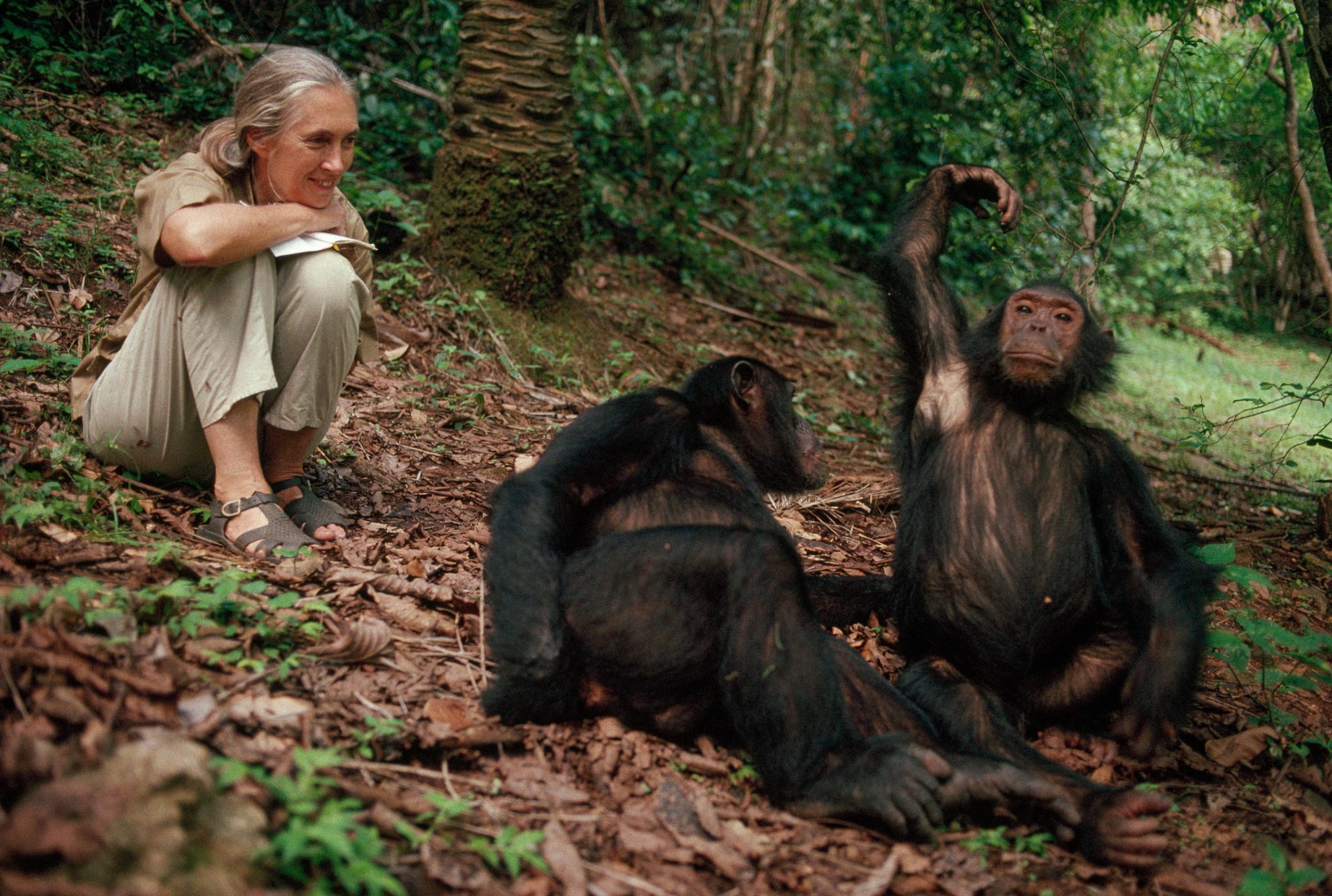
Chimpanzee trekking is the signature Gombe experience.
The trek begins with a guided walk into the forest as you search for habituated chimpanzees. Once the group is located, the experience becomes less about “seeing an animal” and more about observing behaviour.
You may watch chimpanzees feeding, resting, climbing, communicating or interacting with members of their community.
Because the animals are wild, sightings are never something that should be treated like a guaranteed appointment. That uncertainty is part of what makes the experience feel authentic.
Gombe’s trails provide an opportunity to explore the forest beyond chimpanzee tracking.
Guided hikes can lead through the park’s mountainous terrain and offer encounters with different primates, birds and forest vegetation. TANAPA notes that hiking routes extend into the forest and toward higher points, with park guides and rangers accompanying visitors.
For active travellers, this is where Gombe becomes more than a wildlife destination.
The walking itself becomes part of the adventure.
The forest supports several primate species, making slow observation especially rewarding.
Red colobus, red-tailed monkeys, blue monkeys, baboons and vervet monkeys are among the species recorded in the park.
If you enjoy photography, wildlife behaviour or simply spending time in natural environments, Gombe rewards patience more than speed.
The combination of forest and Lake Tanganyika creates opportunities for birdwatching and general nature observation.
This is particularly appealing during greener periods when the forest becomes dense, vibrant and full of activity.
Gombe’s location on Lake Tanganyika allows visitors to add a lakeside dimension to their safari.
After hours of walking through forest trails, the contrast of the lake’s open water and sandy shoreline can be one of the most memorable parts of the experience.
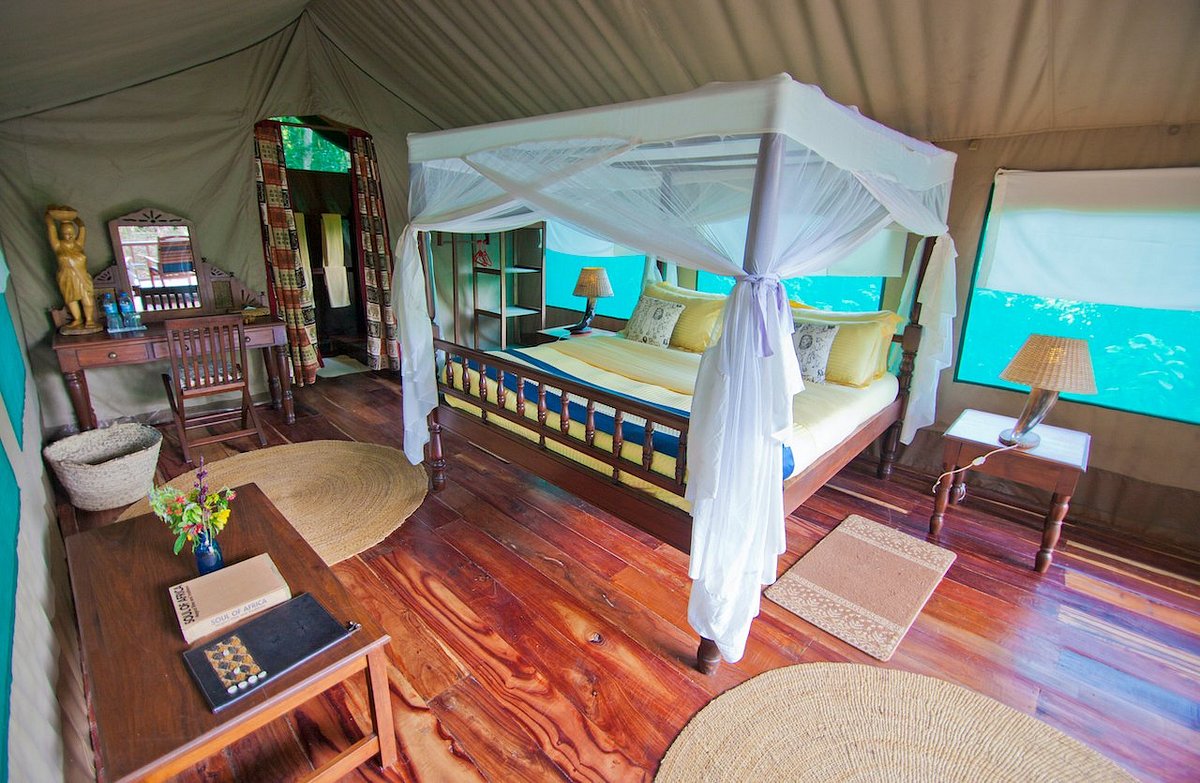
Accommodation around Gombe is more limited and intimate than in Tanzania’s major safari circuits.
That is not necessarily a disadvantage. In fact, limited accommodation is part of what preserves the destination’s quieter character.
Travellers should plan their stay around the practical reality that Gombe is a remote western Tanzania destination, rather than expecting the wide range of luxury lodges found around Serengeti, Ngorongoro or Arusha.
Accommodation availability should be confirmed well before travel, particularly during the preferred dry-season months.
For travellers who want to experience Gombe properly, the better approach is to think about where you sleep as part of the logistics of chimpanzee trekking, not simply as a hotel choice.
This is one of those destinations where transport, park access, accommodation and trekking arrangements need to work together.
Gombe is remote compared with Tanzania’s northern safari circuit.
That remoteness is one of its attractions, but it also means you should not treat the trip like a spontaneous game-drive stop.
The practical gateway is Kigoma, from where travellers continue toward Gombe. Transport arrangements, boat transfers and accommodation should be confirmed before travelling.
Do not plan Gombe as if you are simply passing through for a few hours.
The experience is built around forest trekking, wildlife observation and the journey to a relatively remote part of Tanzania.
For many travellers, two or more nights gives the destination enough breathing room rather than turning the trip into a rushed chimpanzee checklist.
Chimpanzee trekking happens in a forest environment, not on a flat safari track.
Wear comfortable walking shoes with good grip, lightweight clothing, sun protection and protection against rain. A small daypack is useful for water, camera equipment and personal essentials.
One of the biggest mistakes is arriving with the mindset that chimpanzees will appear exactly where you expect them.
They are wild animals.
Their location changes with food availability, social behaviour and movement through the forest. During wetter periods, locating them can take considerably longer.
So bring patience.
In Gombe, the walk is not merely the road to the wildlife encounter. The walk is part of the wildlife encounter.
Chimpanzee trekking requires responsible behaviour.
Follow your ranger’s instructions, maintain the required distance, avoid disturbing the animals and never attempt to attract wildlife for photographs.
The goal is not to make the chimpanzees behave for visitors.
The goal is to enter their world quietly enough to observe them behaving naturally.
Gombe makes the most sense for travellers who deliberately want to explore western Tanzania rather than simply add another park to a northern safari itinerary.
Its combination of chimpanzees, forest, hiking and Lake Tanganyika gives it a character that is difficult to reproduce elsewhere.
If your idea of a safari is only lions, elephants and endless savannah, Gombe may initially seem unusual.
But if you want to understand another side of Tanzania’s wilderness, that difference is exactly the point.
Gombe National Park is small on the map, but the experience it offers is anything but small.
You come for the chimpanzees. You stay engaged by the forest. You remember the lake. And somewhere between following a trail beneath the trees and watching a chimpanzee move through its natural habitat, the safari becomes less about collecting sightings and more about understanding the relationship between wildlife, landscape and human curiosity.
That is the real strength of Gombe.
It does not simply show you wild Africa. It brings you close enough to observe it on foot.
For travellers seeking chimpanzee encounters, meaningful wildlife experiences and a quieter alternative to Tanzania’s famous safari circuits, Gombe National Park deserves a place on the itinerary.