
Great Wildebeest Migration
Great Wildebeest Migration
The Great Wildebeest Migration is one of Africa’s most extraordinary wildlife experiences, but it is much more than thousands of animals moving across the Serengeti. It is an ancient cycle of survival shaped by rainfall, fresh grass, water, breeding, predators, and instinct.
Every year, vast herds of wildebeest move through the Serengeti ecosystem alongside zebra and gazelles, constantly responding to changing conditions. For a traveler, this means there is no single place or single month that defines the entire migration.
The real secret is understanding which part of the migration you want to experience. You may want to witness newborn calves in Ndutu, follow massive herds across the central Serengeti, watch the movement toward the Western Corridor, or wait for the dramatic river crossings in Northern Serengeti.
That is where choosing the right destination and timing becomes important.
Where to Visit Great Migration
Southern Serengeti and Ndutu
Southern Serengeti and the Ndutu area are among the most important places to experience the migration during the calving season.
From around January through March, the short grass plains can become a vast nursery as thousands of wildebeest give birth. The concentration of young animals also attracts predators, creating some of the most intense wildlife interactions of the entire migration cycle.
This is an excellent period for travelers interested in newborn wildlife, predator behavior, photography, and the intimate side of the migration.
Instead of watching enormous herds simply moving across the horizon, you are seeing the reason the migration continues in the first place: reproduction and survival.
Central Serengeti
Central Serengeti offers excellent wildlife viewing throughout much of the year and can become particularly rewarding when migrating herds pass through the region.
The area is also valuable because the Serengeti’s resident wildlife does not disappear when the wildebeest move elsewhere. Lions, leopards, cheetahs, hyenas, elephants, giraffes and numerous antelope species remain part of the landscape.
This makes Central Serengeti a strong choice for travelers who want a broader safari experience rather than focusing exclusively on one migration event.
Western Corridor
The Western Corridor becomes important as the herds move northward.
This region has a different character from the open southern plains, with river systems, woodland and more varied terrain. The Grumeti area is particularly associated with the migration and can provide fascinating opportunities to observe wildlife around water.
The timing of the herds is influenced by rainfall and grazing conditions, so the Western Corridor should be viewed as part of a moving ecological system rather than a guaranteed stop on a fixed calendar.
Northern Serengeti
Northern Serengeti is one of the most sought after areas for travelers hoping to experience the migration between July and October.
As the herds move north, they may gather around the Mara River before attempting to cross. The landscape becomes a place of anticipation, with thousands of animals sometimes gathering near the river while predators and crocodiles wait nearby.
But there is an important reality to understand.
A river crossing cannot be scheduled.
The animals may approach the river, hesitate, move away, return later, or suddenly cross without warning.
That unpredictability is precisely what makes the experience so powerful.
Mara River
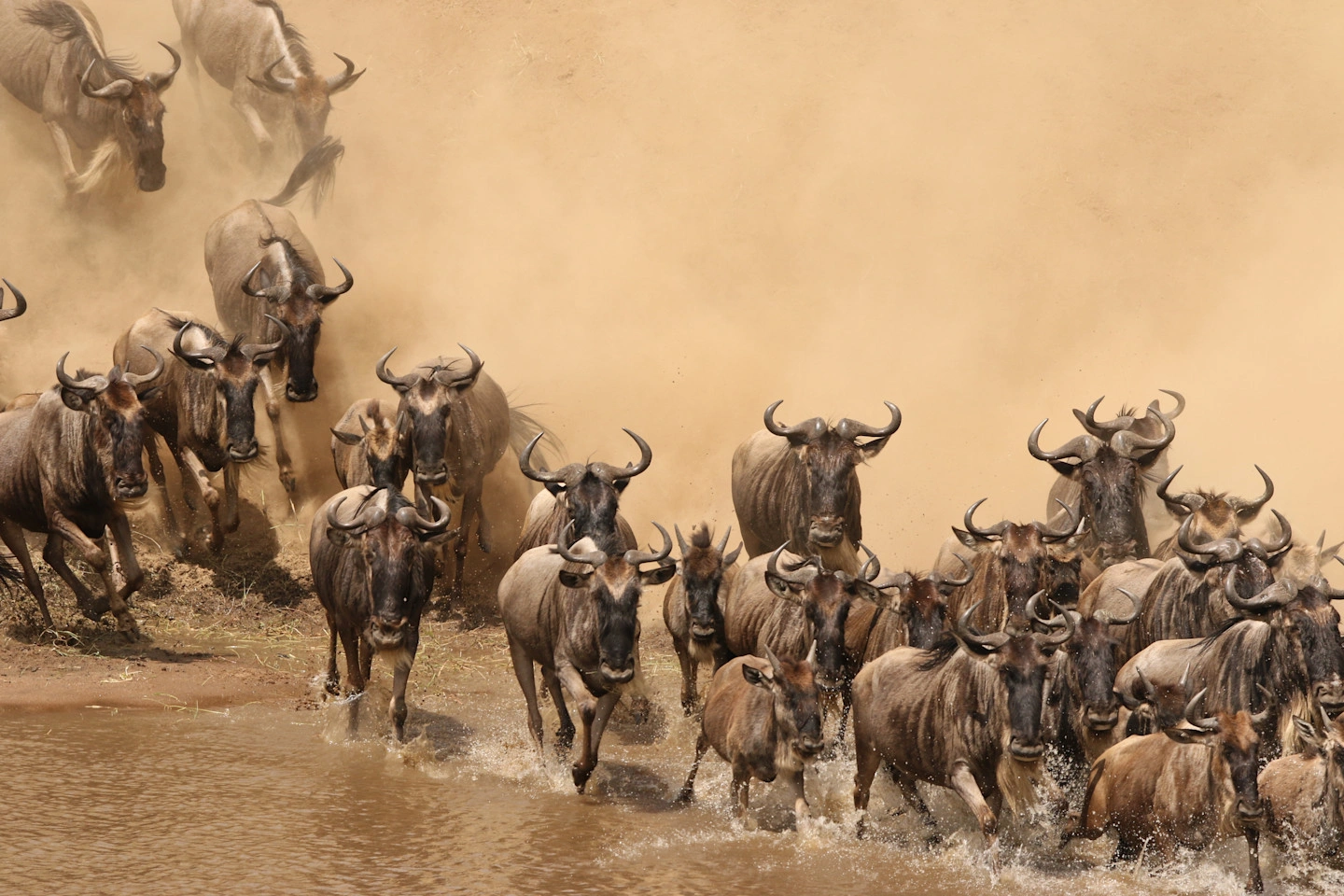
The Mara River is associated with some of the most iconic scenes of the Great Wildebeest Migration.
A crossing can involve thousands of wildebeest moving toward steep riverbanks before plunging into the water. Some animals make it across quickly, while others struggle against the current or change direction.
For travelers, patience is essential.
You are not watching a performance with a predetermined start time. You are watching wild animals make decisions based on instinct, fear, pressure, and survival.
That difference changes the entire experience.
When to Visit Great Migration
The Great Wildebeest Migration takes place throughout the year. What changes is the location of the herds and the type of experience you are likely to encounter.
January to March: Calving Season
January through March is one of the most fascinating periods of the migration.
The herds gather around the southern Serengeti and Ndutu plains where fresh grass provides important nutrition for mothers and newborn calves.
During this period, thousands of calves can be born within a relatively short period. The abundance of young animals also creates opportunities to witness predator behavior.
If your priority is newborn wildlife, dramatic predator encounters, photography, and lush scenery, this can be one of the best times to experience the migration.
April to May: Green Season
As the rains transform the landscape, the Serengeti becomes greener and the herds continue responding to changing grazing conditions.
This period can offer beautiful scenery, dramatic skies and fewer travelers in some areas.
The important point is that fewer visitors does not mean the ecosystem becomes less interesting.
For travelers who value landscapes, photography, tranquility and a more relaxed safari atmosphere, the green season can be surprisingly rewarding.
June to July: Northward Movement
As the dry season begins to develop, the herds gradually move toward the northern Serengeti.
The exact timing varies because the migration responds to environmental conditions rather than human calendars.
This period can be particularly interesting for travelers who want to follow the migration as it transitions from the Western Corridor toward Northern Serengeti.
July to October: Northern Migration
This is the period most commonly associated with the famous Mara River crossings.
Large concentrations of wildebeest may gather in Northern Serengeti as they move toward the river and surrounding areas.
For travelers whose primary goal is to experience a river crossing, this is generally the period to consider.
However, timing alone does not guarantee a crossing.
The best strategy is to combine the right season, the right region, enough days, and an experienced guide who can interpret what is happening on the ground.
November to December: Return South
The short rains encourage the herds to begin moving south again.
The migration gradually returns toward the southern plains, preparing the ecosystem for another breeding cycle.
This is why thinking of the Great Migration as a single event can be misleading.
It is better understood as a continuous ecological rhythm.
The herds move because the environment changes, and the environment changes because of rainfall, grazing, water and seasonal conditions.
Tour & Safaris
Great Migration Safari
A dedicated Great Migration safari is designed around the seasonal movement of the herds.
Instead of simply visiting the Serengeti and hoping to encounter migrating animals, the itinerary considers the expected location of the herds during your travel period.
This creates a much stronger connection between your travel dates and the experience you are hoping to have.
Calving Season Safari
A calving season safari is ideal for travelers who want to experience the migration from a completely different perspective.
You are not only watching herds move.
You are witnessing birth, maternal behavior, vulnerable newborns, predator activity and the beginning of another generation.
For photographers and wildlife enthusiasts, this can be one of the most rewarding migration experiences.
River Crossing Safari
A river crossing safari focuses on Northern Serengeti and the Mara River region during the period when crossings are most likely.
Because crossings are unpredictable, a good itinerary should allow enough time for patience.
The goal should never be to guarantee a crossing.
The goal is to place you in the right ecosystem with enough opportunity for nature to reveal what happens next.
Luxury Migration Safari
A luxury migration safari combines prime wildlife locations with premium accommodation, private guiding, personalized game drives and carefully planned logistics.
During migration season, location becomes particularly important.
A beautiful lodge can provide exceptional comfort, but if it is positioned far from the area where the herds are moving, comfort alone cannot create the migration experience you came for.
Photography Safari
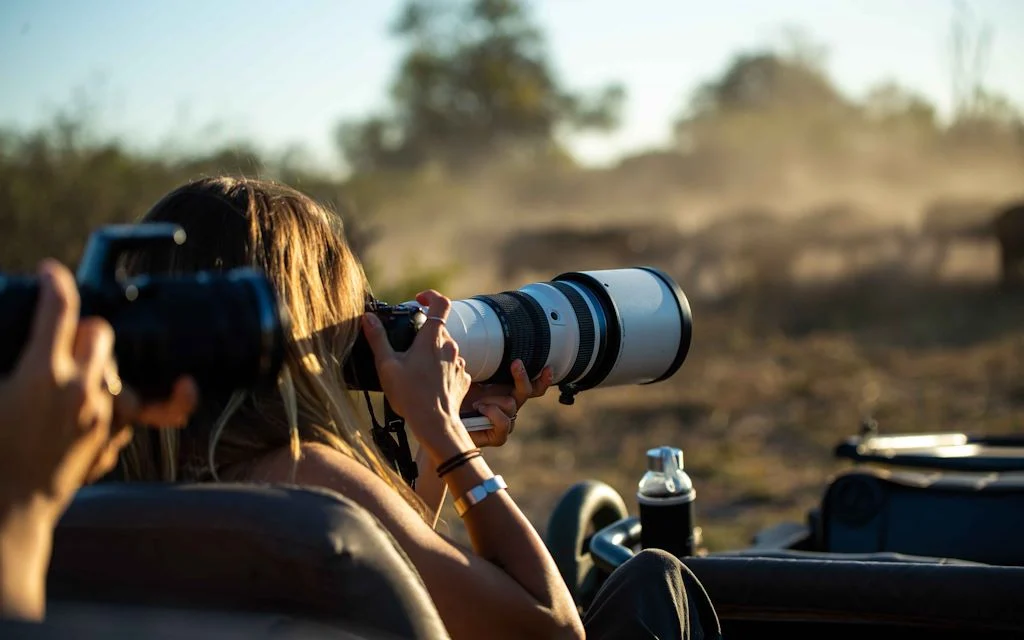
Photography safaris allow travelers to slow down and observe.
The most memorable photograph may not always be the largest herd or most dramatic river crossing.
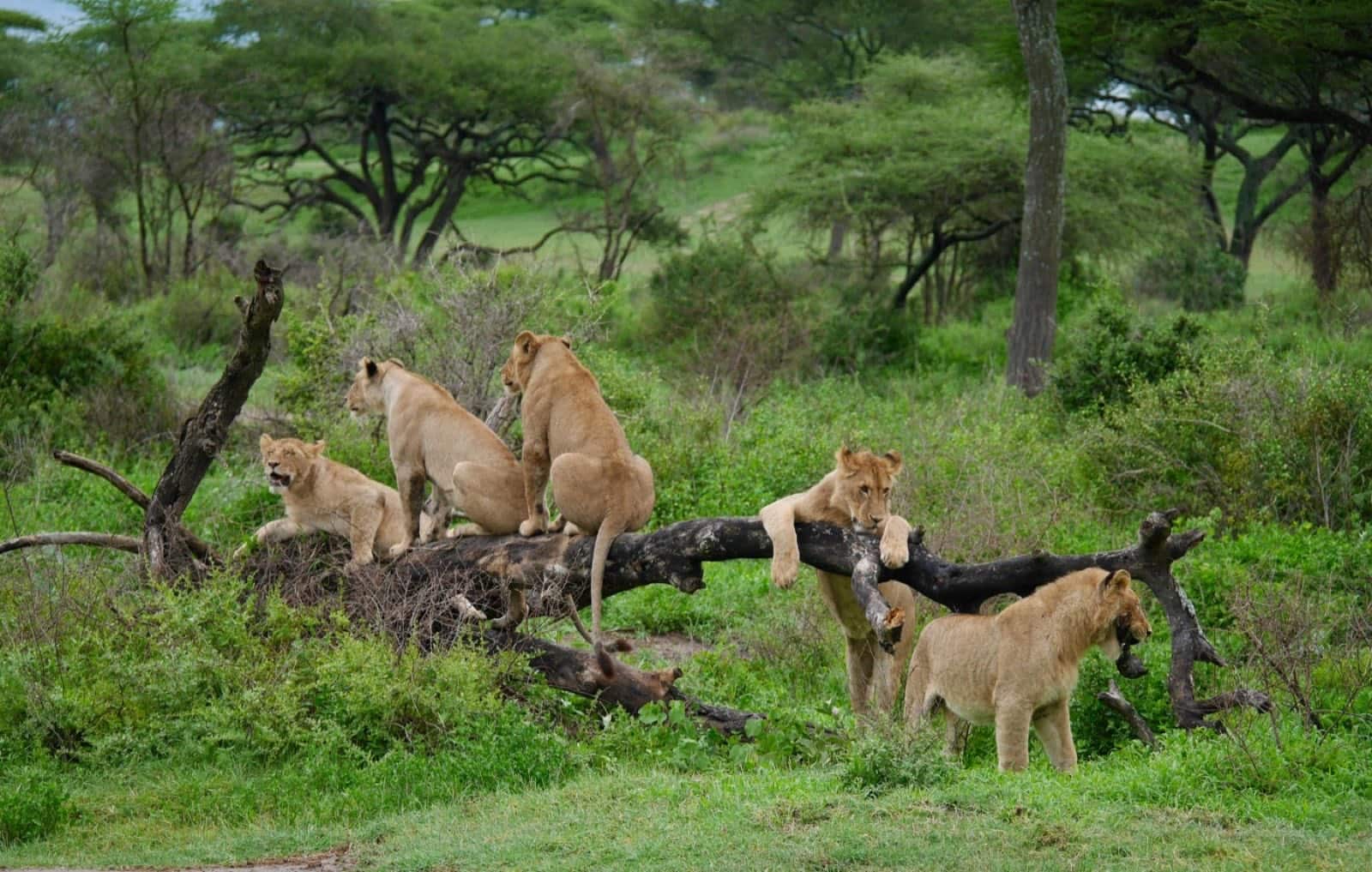
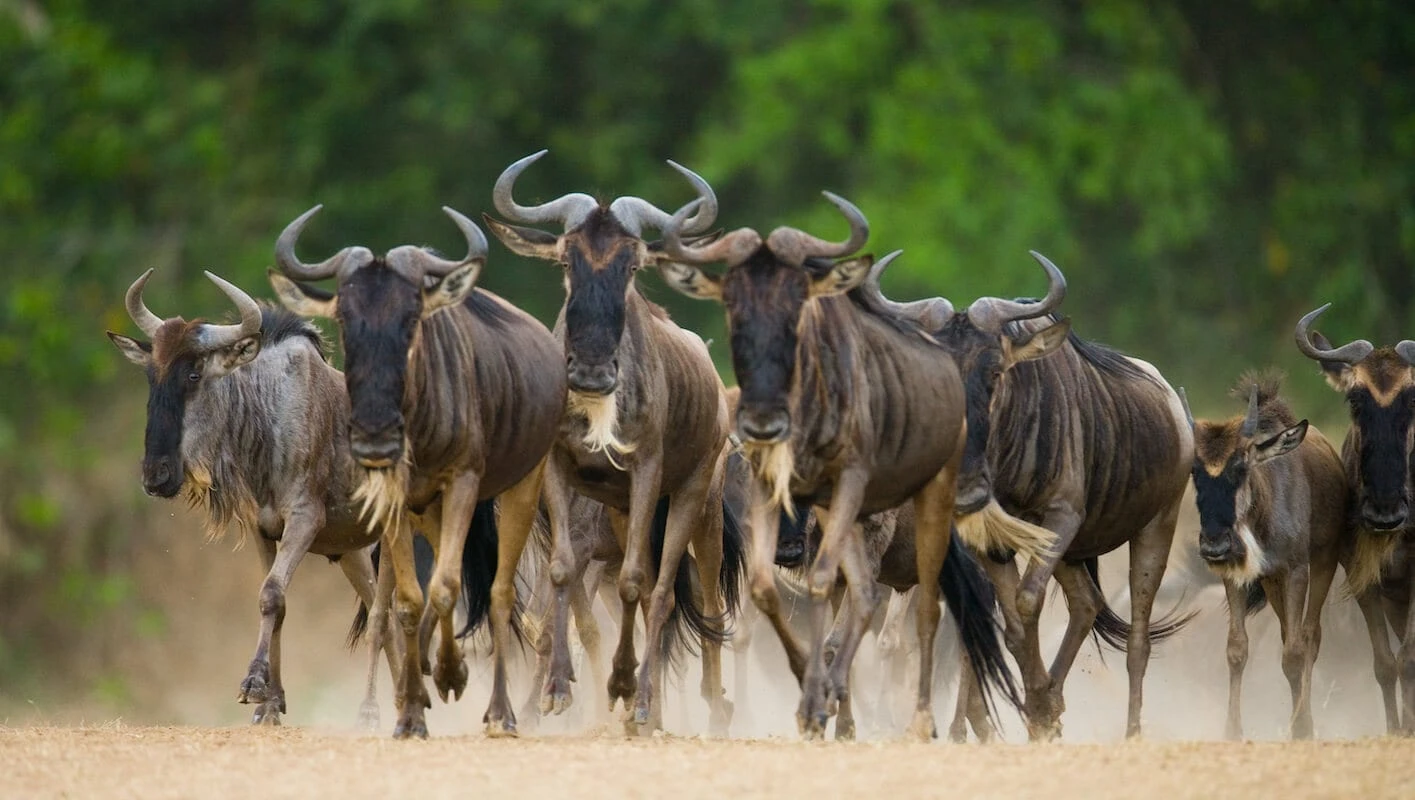
It could be a newborn calf staying close to its mother, a lion watching a moving herd, dust rising across the plains, or thousands of wildebeest stretching toward the horizon.
The best photography experiences often come from patience rather than speed.
Serengeti and Ngorongoro Safari
Combining the Serengeti with Ngorongoro creates a broader Northern Tanzania safari experience.
The Serengeti provides the scale, movement and wildlife drama of the migration, while Ngorongoro offers a completely different environment within a spectacular volcanic landscape.
This combination works particularly well for first time visitors who want to experience several sides of Tanzania rather than dedicating the entire trip to migration tracking.
Safari and Zanzibar
For travelers who want wildlife followed by relaxation, a Serengeti migration safari can be combined with Zanzibar.
The contrast is part of the experience.
One part of the journey takes you into the wild landscapes of Tanzania, while the next can take you toward the Indian Ocean, Swahili culture, historic Stone Town and tropical beaches.
It creates a natural transition from adventure to relaxation.
Travel Advice for Great Migration
Do Not Plan Around One Exact Date
One of the biggest mistakes travelers make is assuming that the migration follows a fixed schedule.
It does not.
Rainfall, food availability, water sources and animal behavior influence movement.
Instead of asking only, “What date will the migration happen?”, think about which migration phase you want to experience and which region is most appropriate for that phase.
Give Yourself Enough Time
If the migration is the main reason for your Tanzania safari, staying several days in the relevant region gives you more flexibility.
Wildlife does not operate according to a two hour game drive schedule.
A herd might be close today and several kilometers away tomorrow.
More time gives your guide more opportunities to respond to changing conditions.
Choose Location Carefully
When planning a migration safari, accommodation should not be selected based on luxury alone.
Consider its location, seasonal operation, access to wildlife areas, guiding quality and how easily your itinerary can respond to changing herd movements.
During migration season, where you sleep can influence what you experience during the day.
Choose an Experienced Safari Guide
An experienced guide can make a significant difference.
They understand the landscape, animal behavior, seasonal patterns and the subtle signs that indicate how wildlife may be moving.
The value of a good guide is not simply knowing where animals are.
It is understanding why they are there and anticipating what may happen next.
Be Prepared to Wait
Patience is one of the most valuable skills you can bring to a migration safari.
You may spend hours watching wildebeest gather near a river without a crossing.
Then suddenly, the entire scene changes.
One animal moves forward. Others follow. The herd begins descending toward the water. Dust rises. The river fills with movement.
What looked like hours of waiting becomes the moment you remember for the rest of your life.
Respect the Wildlife
The migration is a natural ecological process, not a show created for visitors.
Follow your guide’s instructions, maintain appropriate distances, remain in permitted areas and avoid actions that disturb or pressure wildlife.
Responsible safari behavior helps protect the ecosystem that makes the Great Wildebeest Migration possible.
Experience the Migration on Its Own Terms
The Great Wildebeest Migration is often represented by one iconic image: thousands of wildebeest crossing a river.
But the river crossing is only one moment in a much larger story.
The true migration includes birth in the southern plains, movement across the Serengeti, changing grazing grounds, predator encounters, long journeys toward the north, river crossings, and the eventual return south.
That is why there is no single answer to the question, “When is the best time to see the Great Wildebeest Migration?”
Frequently Asked Questions
Which part of the migration do you want to experience?
If you want newborn calves and predator encounters, look toward the southern Serengeti and Ndutu.
If you want the northern migration and the possibility of river crossings, focus on Northern Serengeti.
If you want broader wildlife experiences, combine migration areas with Central Serengeti and other Northern Tanzania destinations.
Once you understand the rhythm of the migration, planning becomes much easier.
You stop chasing a famous photograph and start experiencing the ecosystem behind it.
And that is where the Great Wildebeest Migration becomes more than a safari.
It becomes a story of movement, survival, instinct and renewal that has been unfolding across Tanzania’s landscapes long before humans arrived to watch.