
There are mountains you visit for the view, and there are mountains you climb because the experience itself becomes the story. Mt. Oldonyo Lengai belongs firmly to the second category.
Rising above the dramatic landscape of Lake Natron in northern Tanzania, Oldonyo Lengai is an active volcano known in the Maasai language as the “Mountain of God.” At about 2,960 metres above sea level, it is not Tanzania’s highest mountain, but its steep volcanic slopes, remote setting and sunrise summit experience make it one of the country’s most distinctive mountain adventures.
The real attraction is not simply reaching the summit. It is the transition from walking through darkness beneath a star-filled Rift Valley sky to watching the first light spread across Lake Natron, the escarpments and the volcanic landscape below.
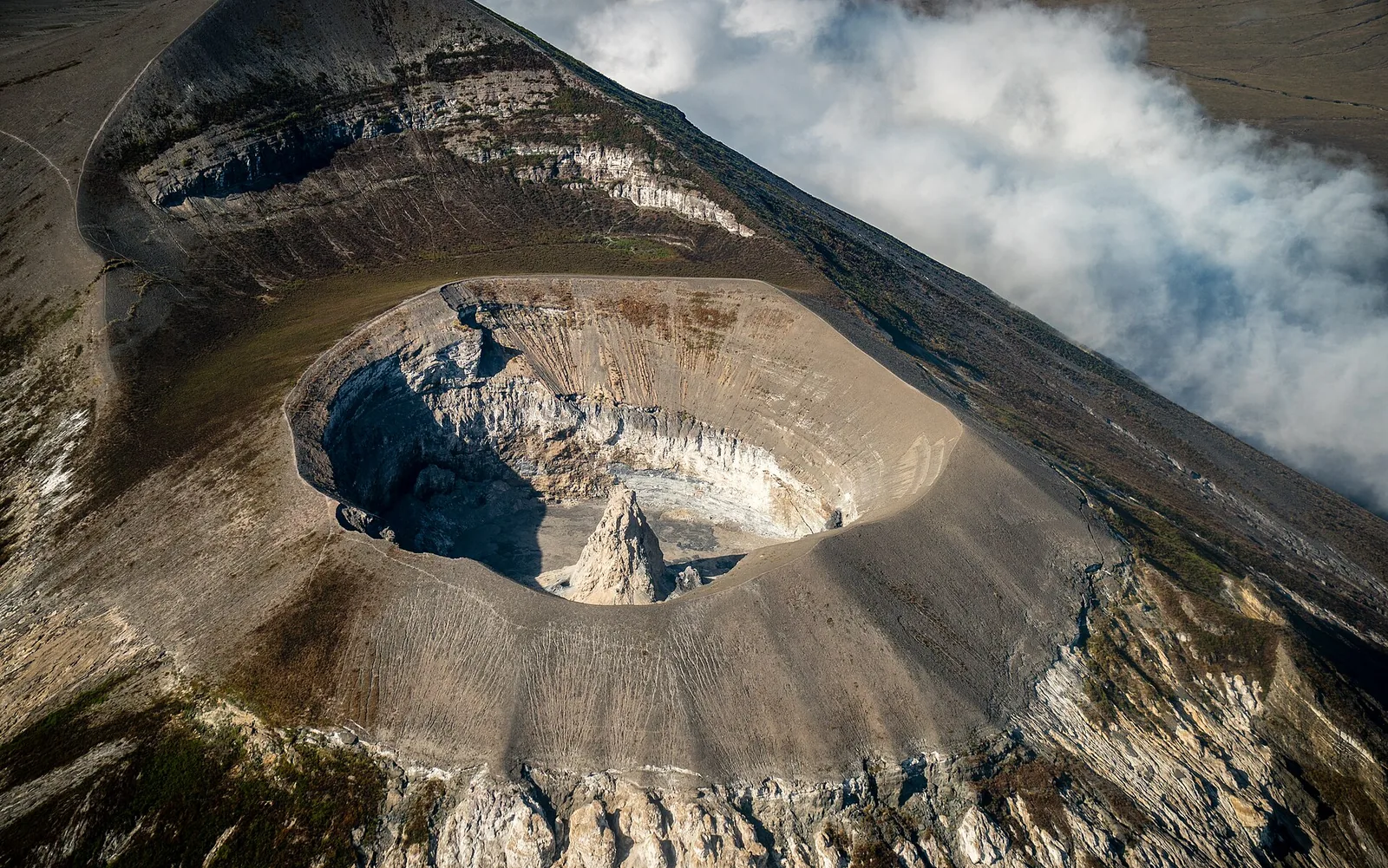
Oldonyo Lengai offers something very different from a conventional Tanzania safari or a traditional high-altitude mountain trek.
This is an active volcano, a sacred mountain and one of the most unusual landscapes in the northern Tanzania circuit. Its Maasai name, meaning Mountain of God, reflects the mountain’s cultural significance, while its volcanic character makes the experience feel almost otherworldly.
But there is another reason to come here: the sense of remoteness.
Lake Natron sits away from Tanzania’s busiest safari routes. As you move toward the mountain, the landscape becomes increasingly stark, dry and volcanic. Then Oldonyo Lengai rises dramatically from the Rift Valley floor, creating a setting that feels completely different from the classic Serengeti or Ngorongoro experience.
For adventurous travellers, that contrast is precisely the point.
You are not simply adding another attraction to your Tanzania itinerary. You are entering a landscape where volcano, Maasai culture, alkaline lake, flamingos and the Great Rift Valley exist within the same experience.
And then comes the climb.
The ascent is normally started around midnight so that the steep climb is completed during the cooler hours, with the goal of reaching the crater area around sunrise.
That timing changes everything.
Instead of seeing the mountain only as a physical challenge, you experience it as a sequence:
darkness → effort → silence → first light → volcanic summit → vast Rift Valley views.
That is what makes Oldonyo Lengai memorable.
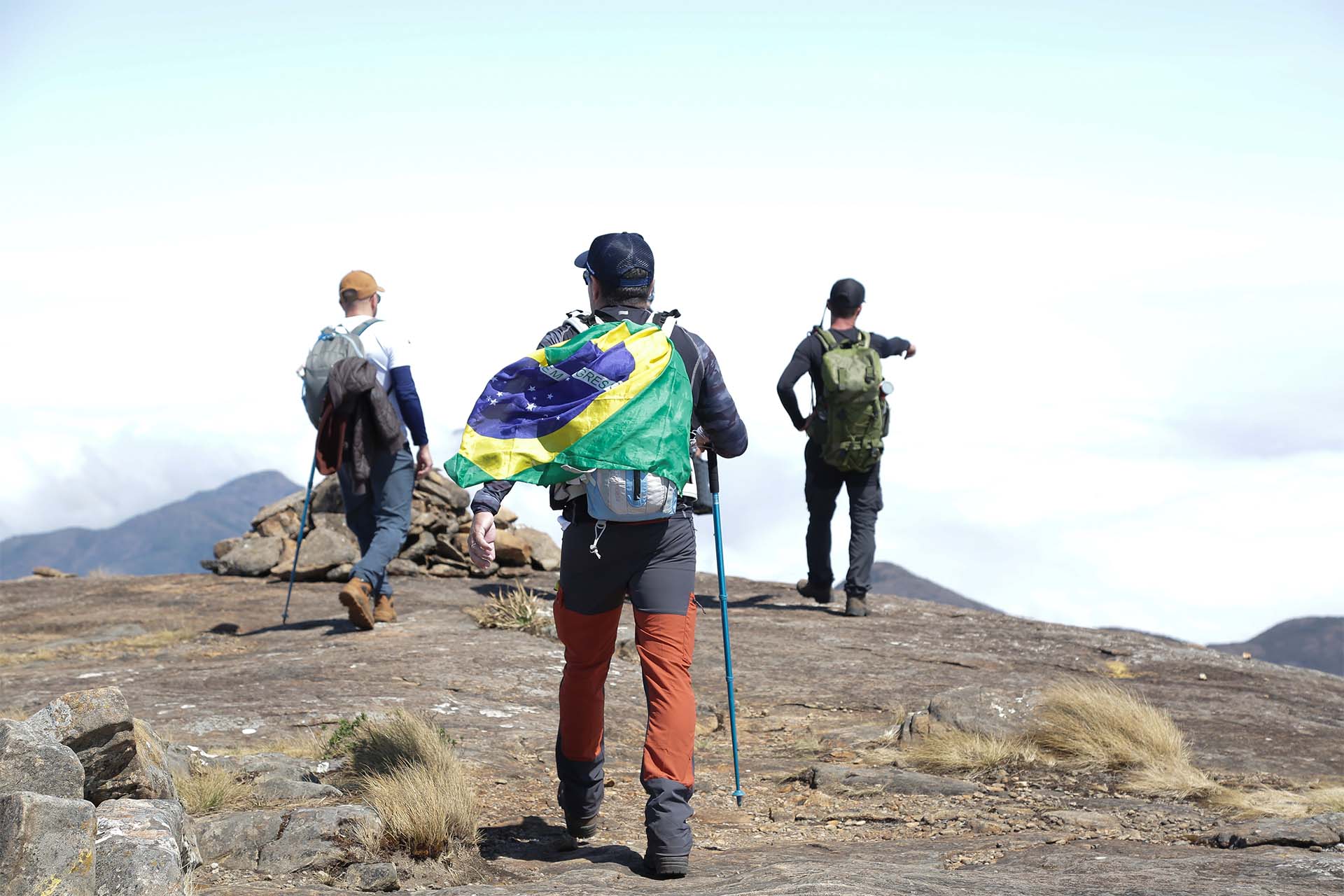
The best time to experience Oldonyo Lengai depends on what you want from the journey, but one principle remains important throughout the year: the climb is normally done at night because of the heat.
The dry season generally offers more favourable conditions for exploring the Lake Natron area and climbing the mountain.
The landscape is often dry and clear, while the cooler night provides a better environment for the strenuous ascent.
This period also fits naturally into a wider northern Tanzania itinerary, particularly if you are combining Natron with destinations such as Ngorongoro and Serengeti.
This is another useful period for travellers planning an active northern Tanzania itinerary.
The conditions can be favourable for combining Oldonyo Lengai with other destinations, although the mountain’s conditions should always be checked locally before attempting the climb.
The long rains can make access and outdoor activities more complicated. Roads in remote parts of the Natron region can become difficult, while wet conditions can affect hiking routes.
This is one of those situations where the calendar alone should not determine your decision.
Current mountain conditions, local guide advice and road conditions matter more than simply choosing a month from a list.
Most importantly, Oldonyo Lengai is an active volcano. Conditions around the mountain can change, so climbing decisions should always be made with experienced local guides and current local information.
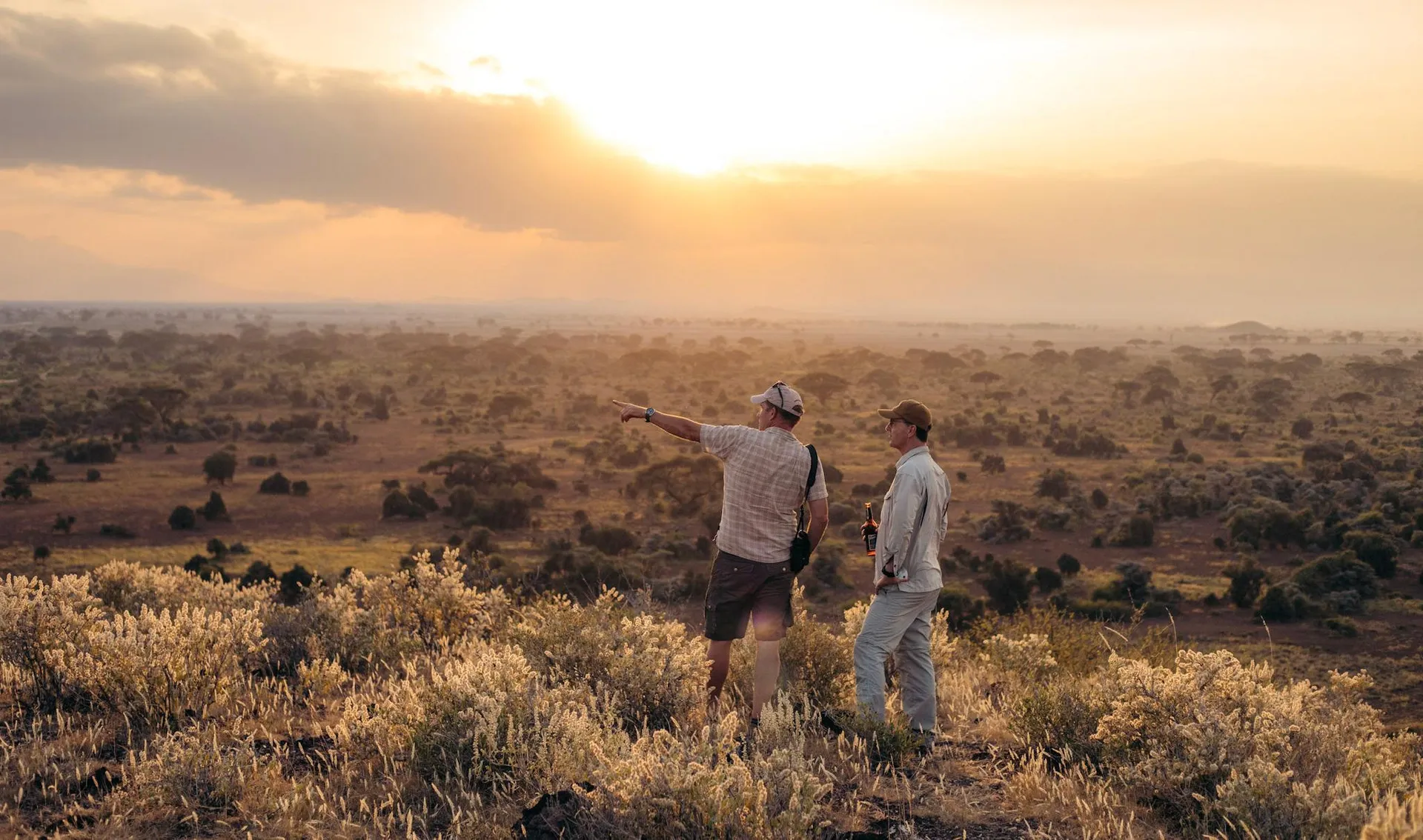
Oldonyo Lengai works best when treated as part of a broader Lake Natron and northern Tanzania adventure, rather than as an isolated mountain.
The climb itself is only one part of the experience.
The classic experience begins late at night.
You leave with your guide in darkness and ascend the steep volcanic slopes using headlamps. The terrain is loose, steep and physically demanding, which makes fitness and pacing important.
The objective is to reach the upper mountain around sunrise.
At nearly 3,000 metres, altitude is not usually the primary challenge. The difficulty comes from the steep gradient, loose volcanic terrain, heat and sustained physical effort.
That distinction matters.
Someone who has climbed a higher mountain is not automatically prepared for Oldonyo Lengai. The mountain asks a different question of your body: can you maintain controlled movement on steep, unstable volcanic terrain for hours?
The descent also deserves respect.
After reaching the summit, you still have to come down. Fatigue, loose ash and the increasing heat can make the return journey particularly demanding.
This is why the climb should be approached as a serious mountain experience rather than a casual excursion.
The mountain and Lake Natron belong together.
The alkaline lake creates one of the most unusual landscapes in northern Tanzania, with volcanic terrain surrounding the water and large numbers of lesser flamingos associated with the wider area.
The lake is particularly fascinating because its environment looks almost prehistoric.
White mineral crusts, volcanic ash, dramatic cliffs and the dark silhouette of Oldonyo Lengai create a visual contrast rarely found elsewhere on the northern safari circuit.
After the intensity of the mountain, the Ngare Sero gorge offers an entirely different experience.
The guided walk follows the river through a narrow gorge toward waterfalls and natural pools. It is one of the experiences that reveals another side of the Natron landscape: water, vegetation and cool shaded spaces hidden inside an otherwise dry Rift Valley environment.
The contrast is powerful.
One day you are walking across volcanic ash above the Rift Valley. The next, you are following flowing water through a green gorge.
The Lake Natron area is also home to Maasai communities.
A locally guided cultural experience can add an important human dimension to the landscape, allowing travellers to understand how communities live within this remote environment rather than treating the destination simply as scenery.
The best experiences are respectful, locally led and built around genuine interaction rather than staged performances.
Oldonyo Lengai can be combined with several northern Tanzania destinations.
A particularly interesting route can connect:
Arusha → Tarangire → Ngorongoro → Lake Natron → Oldonyo Lengai → Serengeti
The exact routing depends on road conditions, available time and the season.
The important point is that Natron adds a completely different texture to the northern safari circuit.
After wildlife and crater landscapes, you enter the volcanic world of the Rift Valley.
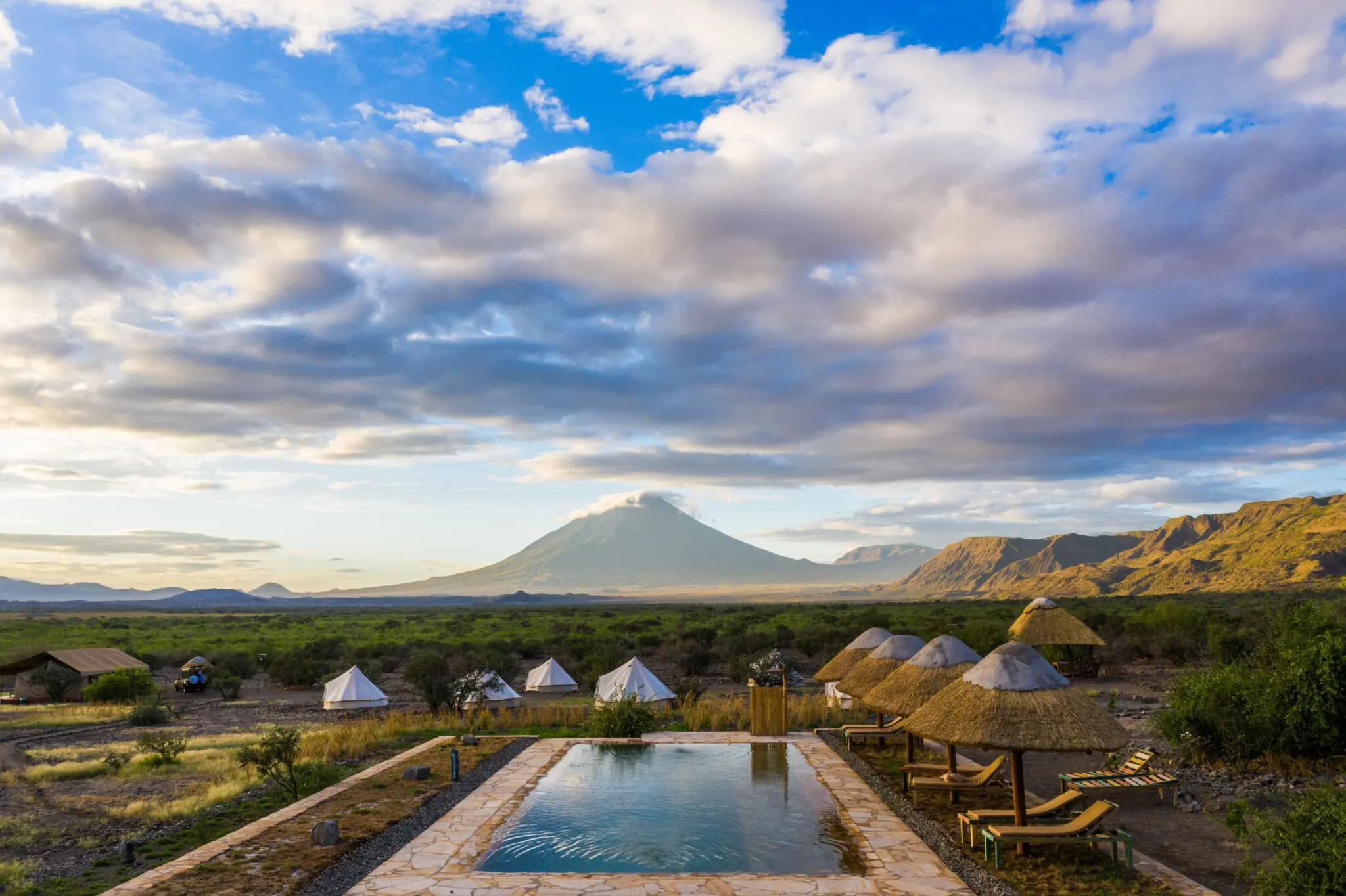
Accommodation around Oldonyo Lengai is primarily concentrated around Lake Natron and the surrounding communities, rather than on the mountain itself.
This is an important part of planning the experience because the accommodation is not simply a place to sleep. It becomes part of your preparation for the climb.
Before an overnight ascent, you want somewhere that allows you to:
Accommodation in the Natron area ranges from campsites and tented accommodation to more comfortable safari-style properties.
The right choice depends on whether your priority is comfort, location, atmosphere, budget or recovery after the climb.
For a mountain-focused itinerary, location and practical preparation can matter more than having the most luxurious room.
That is one of the lessons of travelling through remote Tanzania: sometimes the best accommodation is the one that makes tomorrow’s experience easier.
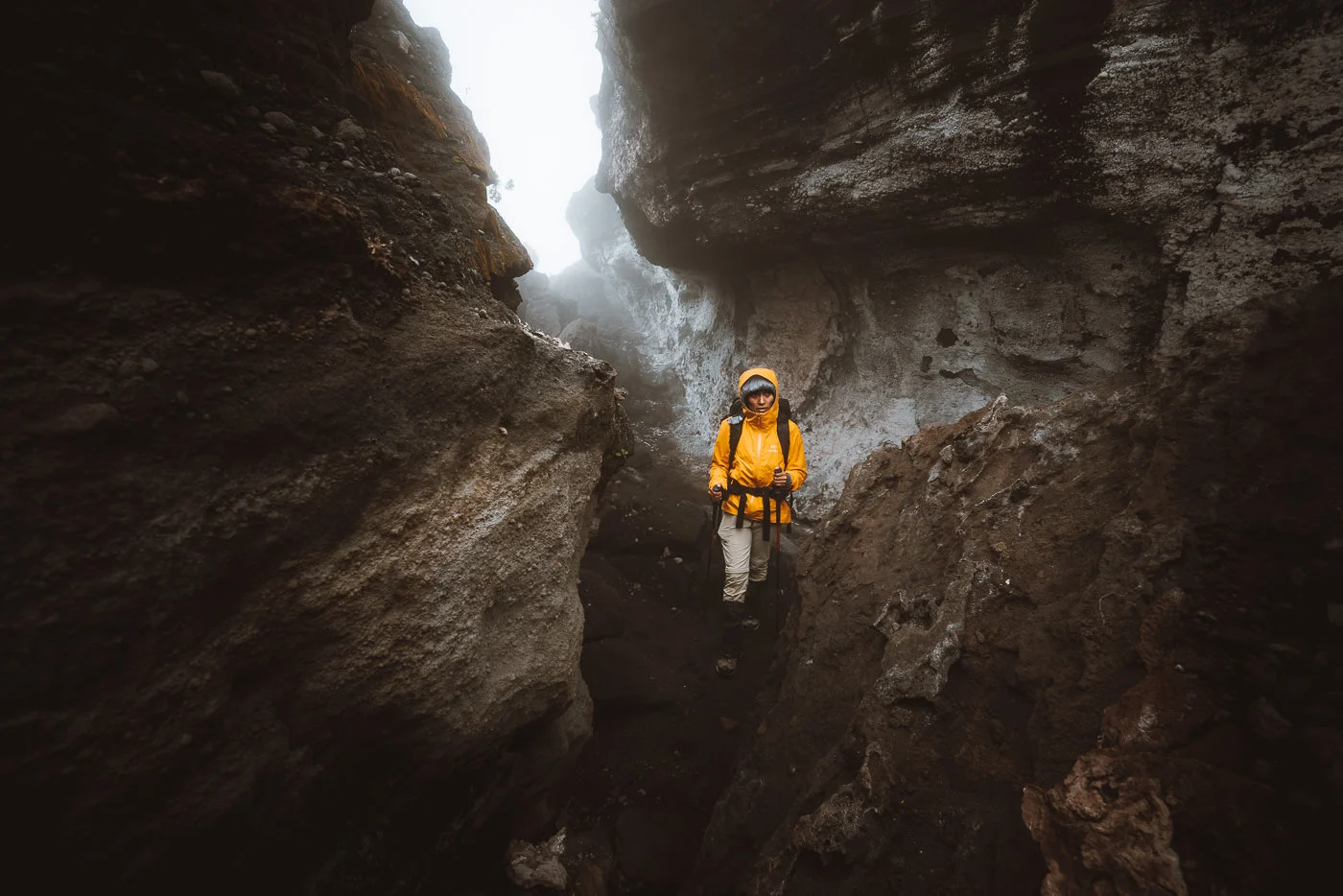
Oldonyo Lengai rewards preparation.
The mountain is steep, remote and physically demanding, so the difference between a memorable adventure and an unnecessarily difficult experience often comes down to preparation before the first step.
You should be comfortable with sustained uphill walking before attempting the climb.
The terrain is steep and loose, and the ascent takes place during the night. This combination makes endurance, leg strength and balance important.
The overnight start is not simply a tradition.
Lake Natron is a hot environment, and the mountain’s exposed volcanic slopes provide little protection from the sun. Starting around midnight allows climbers to complete much of the ascent before the strongest daytime heat arrives.
Do not underestimate hydration.
The combination of physical exertion, heat and a long ascent makes water one of the most important pieces of your preparation.
Your guide should help determine the appropriate amount based on the current conditions and itinerary.
Loose volcanic ash changes how your feet interact with the ground.
Good hiking footwear with reliable grip is therefore more important than trying to keep your luggage light at all costs.
Oldonyo Lengai is not a mountain where independent experimentation is a good strategy.
The volcano is active, the terrain is steep, and local conditions can change. Experienced local guides provide important knowledge about the route, conditions and whether the climb should proceed.
Never assume that seeing photographs of volcanic activity means you will see the same thing during your visit.
Volcanic conditions change.
The responsible approach is to experience the mountain according to current conditions rather than expecting a particular eruption, lava display or crater activity.
This is one of the most commonly overlooked parts of planning.
After spending several hours climbing and descending Oldonyo Lengai during the night, you will probably be tired.
Do not place an exhausting transfer or another major activity immediately afterward simply because it looks efficient on paper.
A good itinerary protects the experience from the itinerary itself.
That is particularly important when combining Lengai with a safari.